

Beijing’s Ballyhooed Digital Yuan Has Disappointed, at Least so Far

.
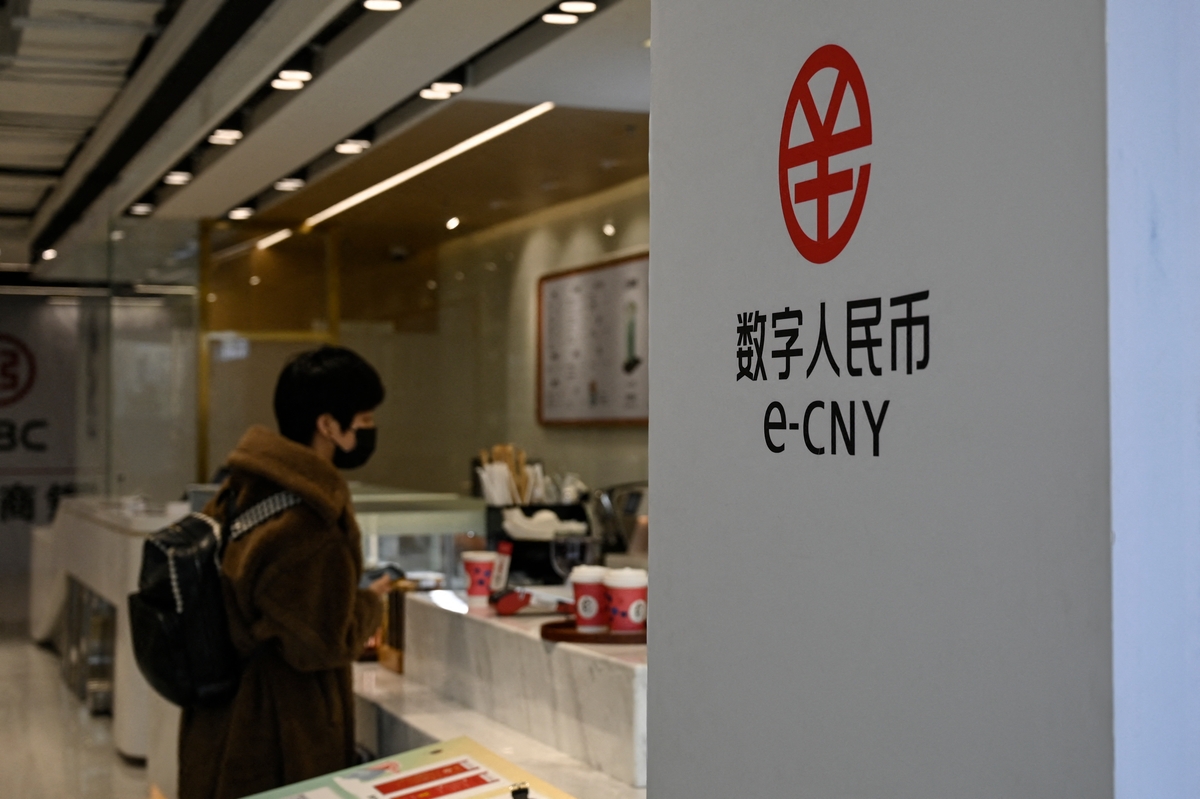
The People’s Bank of China (PBOC) was one of the world’s first central banks to push a digital currency. The initial launch dates back to September 2020. Other central banks, most notably the Federal Reserve in the United States and the European Union’s European Central Bank, have talked about launching a digital dollar and a digital euro, respectively, but have not yet issued one.
Beijing has taken the lead because it has two ambitions not shared by these and other central banks—one, an intense desire for domestic surveillance of its population; and two, the goal of using the yuan to challenge the dollar’s supreme role as the world’s global currency. The slow take-up of the digital yuan suggests that Beijing will have to wait a long time to fulfil its ambitions, if it ever can.
Beijing has sold the digital currency in terms of security, reliability, and convenience. On this basis, it is hard to see why anyone would object to the project, but even the most disinterested citizen can see that the digital yuan, if it came to dominate all transactions, would allow the authorities to track each resident’s every purchase and sale of goods or services. That is difficult, if not impossible, given that paper currency is often preferred in China for retail transactions.
The authorities could no doubt access bank and credit card accounts, but that method of surveillance would be much less convenient than if everything were done with the digital currency managed by the PBOC’s computers. More than anything else, this desire for surveillance is why Beijing objected immediately to the anonymity of crypto and stablecoin and banned anything like them from China.
No doubt, wariness of this use of the digital yuan, also known as e-CNY, is why Chinese people are so reluctant to use it. Even as the PBOC has expanded the digital currency beyond digital cash to accounts that pay interest, like conventional bank deposits, the signs of reluctance are everywhere.
Shopkeepers report that the point-of-sale machines provided to them by the government remain idle most of the time. State employees report that, although they are paid in digital yuan, they immediately transfer the funds into a conventional bank account.
On the international level, Beijing has pushed its digital yuan through what it calls “Project mBridge.” This is a multi-currency platform for the settlement of central bank currency transactions. So far, the project has brought together the central banks of China, Hong Kong (hardly an independent actor), Thailand, the United Arab Emirates, and Saudi Arabia.
Beijing has introduced Project MBrdige as a direct competitor to the dollar-based Society for Worldwide Interbank Financial Telecommunications (SWIFT). It is clearly meant to serve Beijing’s ambition to see the yuan eventually supersede the U.S. dollar as the primary means of international exchange and global wealth holdings, what bankers and economists refer to as the “global reserve.”
According to the PBOC, Project mBridge processed transactions worth 387 billion yuan ($56 billion) through last November, about all of it in digital yuan. That amount pales next to SWIFT’s 2025 average volume of over 3.6 trillion messages for transactions, and the dollar amount is in the thousands of trillions. Project mBridge has become so insignificant that the Bank for International Settlements in Basel, Switzerland, has withdrawn from the project.
Beijing no doubt has been disappointed by this slow progress, but not so disappointed that it is giving up efforts on the digital yuan either domestically or internationally. It is nonetheless clear that these parts of the Chinese regime’s overall efforts at dominance—over their domestic population and international exchange—will wait a long time to become a reality, if they ever do.
What's Your Reaction?
 Like
0
Like
0
 Dislike
0
Dislike
0
 Love
0
Love
0
 Funny
0
Funny
0
 Wow
0
Wow
0
 Sad
0
Sad
0
 Angry
0
Angry
0












Comments (0)