

Taiwan Indicts Former Airline Worker on Charges of Spying for China


.
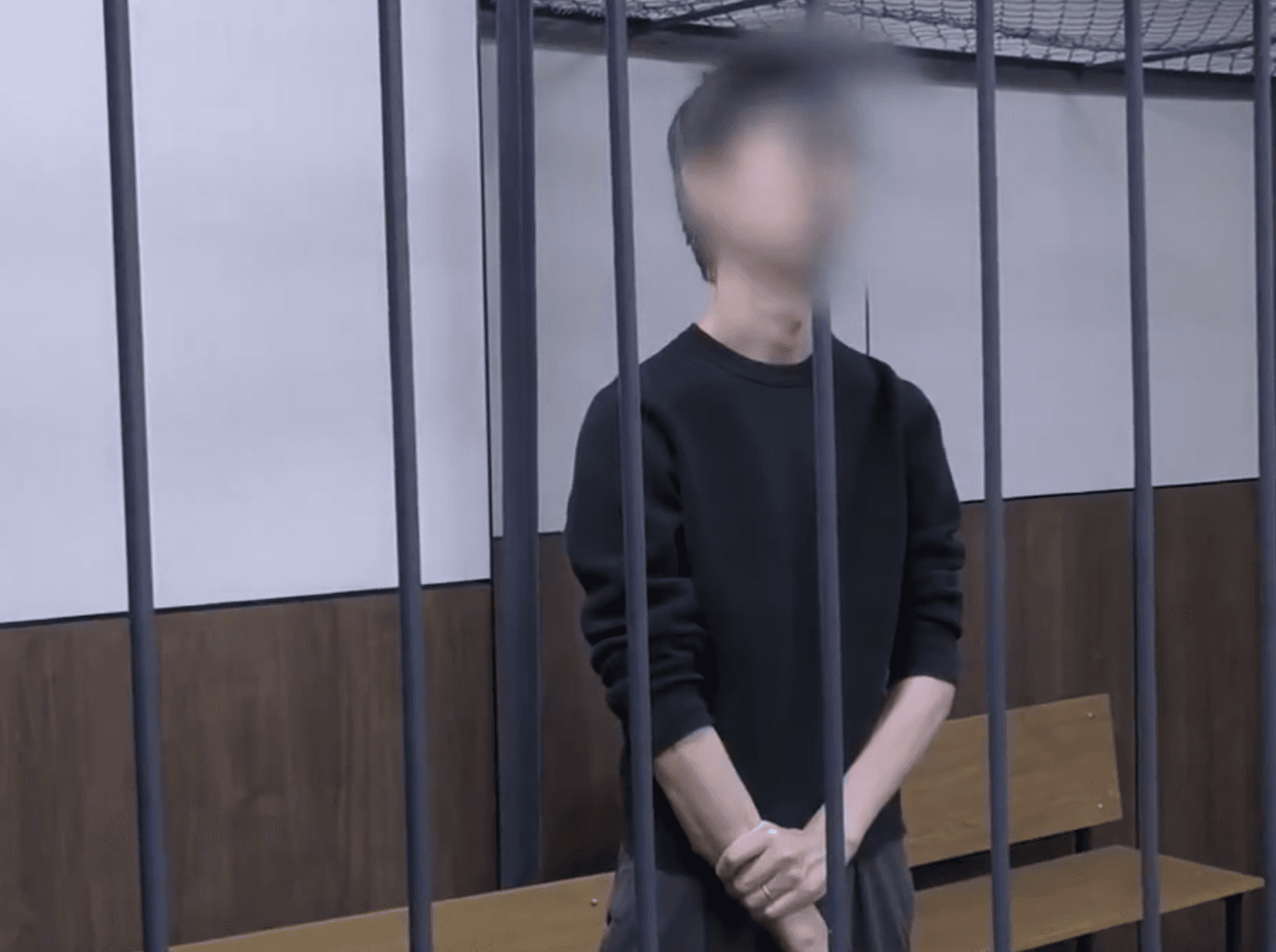
The defendant, identified only by his surname of Chiao, was the airline’s representative in China from 2012 to 2014, during which he allegedly worked for China’s intelligence service.
During that time, Chiao allegedly attempted to obtain confidential information from government officials at the Taiwanese Mainland Affairs Council, specifically regarding research projects the council had commissioned.
In exchange for the confidential information, Chiao allegedly offered a cash bribe of NT$100,000 (about $3,200), but his offer was rejected, according to prosecutors.
Prosecutors said they started investigating the case at the request of the Ministry of Justice’s Investigation Bureau.
Chiao is charged with violating the National Security Act and the Anti-Corruption Act, prosecutors said.
In response to the case, the council told Taiwan’s national media, Central News Agency (CNA), that many of its research projects are confidential and that its staff have maintained a very high level of vigilance to prevent outsiders from probing.
The Epoch Times was unable to obtain contact information for Chiao’s lawyer.
Seeing Taiwan as a breakaway province, China’s communist regime has been seeking to undermine the island’s institutions and government agencies with infiltration, cyberattacks, disinformation campaigns, and economic pressure.
Earlier this month, Taiwan’s National Security Bureau reported that the island’s government service network had faced more than 2.8 million cyberattacks daily so far this year, according to CNA. The bureau stated that the hackers appeared to be targeting specific areas, including critical infrastructure and sensitive information related to Taiwan’s international cooperation.
“The original framework of ‘Hong Kong people ruling Hong Kong with a high degree of autonomy’ under ‘one country, two systems’ model has gradually transformed into a system of ‘Beijing governing Hong Kong with comprehensive control,’” the report reads.
The report highlighted the extensive expansion of social control measures in Hong Kong under the guise of national security, reaching far into areas such as entertainment, the food and beverage industry, and funeral services. Artistic expression on sensitive topics faces censorship or bans, while press freedom continues to erode.
.
What's Your Reaction?
 Like
0
Like
0
 Dislike
0
Dislike
0
 Love
0
Love
0
 Funny
0
Funny
0
 Wow
0
Wow
0
 Sad
0
Sad
0
 Angry
0
Angry
0













Comments (0)