

Taiwan Convicts President’s Former Aide on Charge of Spying for China


.
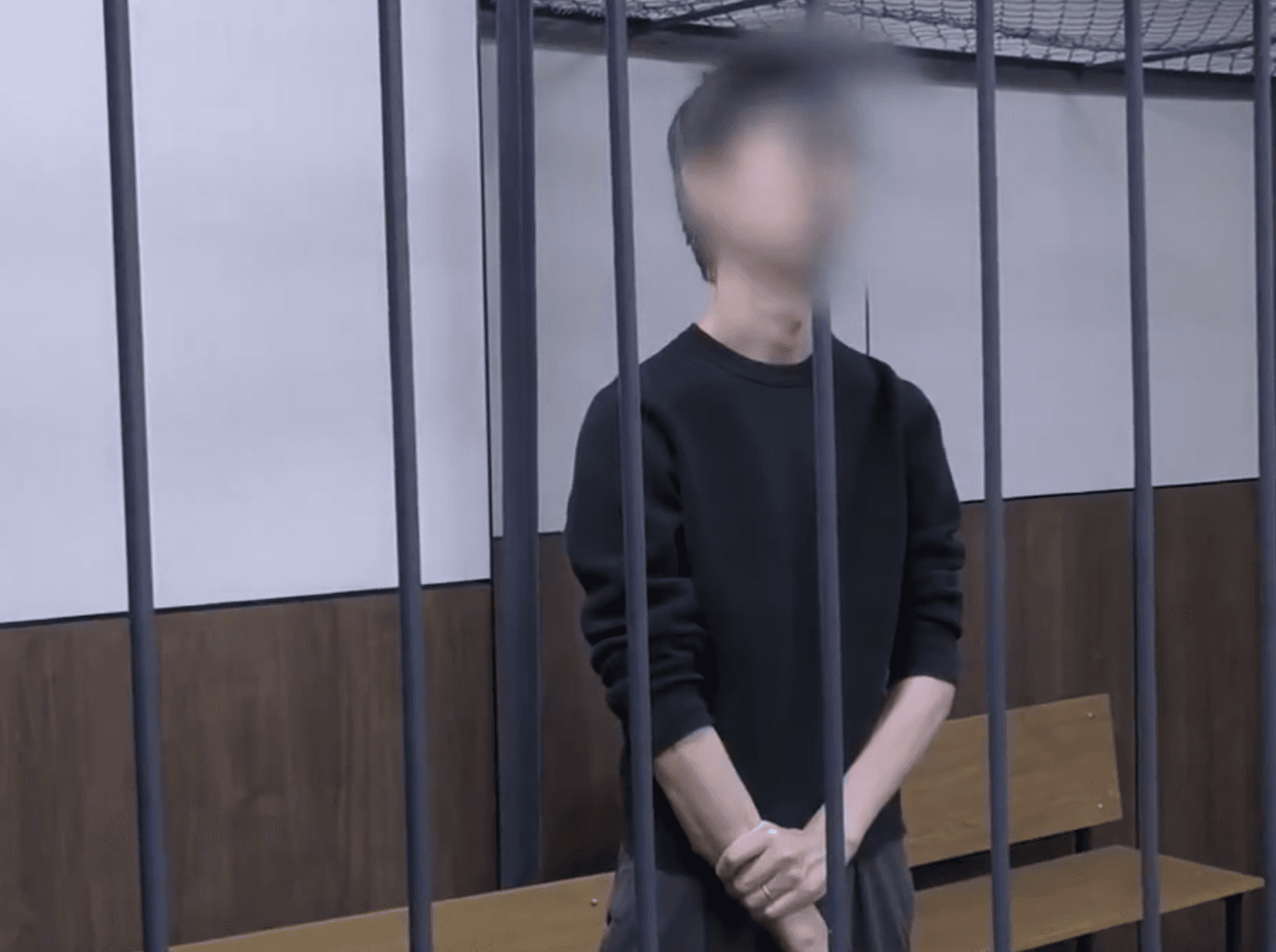
TAIPEI, Taiwan—The Taipei District Court has convicted four former members of Taiwan’s ruling party—including one who previously worked for the president—of spying for China, as Taipei continues to resist the Chinese communist regime’s efforts to undermine the self-ruling democracy.
The case is considered a high-profile espionage case in Taiwan because it involves former members of the Democratic Progressive Party (DPP), a political party whose leaders, including current President Lai Ching-te, have been labeled by China as “separatists” due to their outspoken defense of the island’s sovereignty. The DPP expelled the four in May.
Among them was Ho Jen-chieh, a former secretary to then-Foreign Minister Joseph Wu, who currently leads the National Security Council.
Ho was accused of collecting classified documents and passing them to Huang Chu-jung, who then transmitted the information to Chinese intelligence agents through encrypted software in exchange for money, according to the court.
Huang also recruited a former political adviser at Lai’s office—during Lai’s tenure as vice president under the previous administration of Tsai Ing-wen—through Chiu Shih-yuan. The court said that Chiu directed the adviser, Wu Shang-yu, to provide documents, including the president’s plans for foreign trips, and the vice president’s domestic campaign itinerary, with which Wu complied.
According to Taiwan’s national news agency, Central News Agency (CNA), Huang was formerly an assistant to DPP New Taipei Councilor Lee Yu-tien and a businessman working in China, and was recruited by China’s intelligence service in 2017.
The Taipei District Prosecutors Office said in June that Huang received NT$6 million ($196,800) from the Chinese intelligence, and Chiu received NT$2.2 million ($72,000), for their spying efforts.
The four were guilty of violating the Classified National Security Information Protection Act. Huang and Chiu were also found guilty of money laundering.
Huang received the longest sentence of 10 years in prison, Ho received eight years and two months, Chiu six years and two months, and Wu four years.
Huang and Chiu were also fined NT$1 million ($32,700) and NT$50,000 ($1,600), respectively, with the option to commute the fines to community services.
According to CNA, the four defendants remain incommunicado.
The Taiwan High Court is reviewing a separate case against Huang, who was charged in June by the Taiwan High Prosecutors Office with “developing a criminal organization” on behalf of China, according to CNA.
The Epoch Times was unable to immediately obtain contact information for the lawyers of any of the four defendants sentenced.
The CCP views the self-governed archipelago of 23 million people as a breakaway province, and has never ruled out the use of force to take it.
“By its actions, China already satisfies the definition of a ‘foreign hostile force’ defined by our Anti-Infiltration Act,” Lai said. “We have no choice but to take even more proactive measures.”
.
What's Your Reaction?
 Like
0
Like
0
 Dislike
0
Dislike
0
 Love
0
Love
0
 Funny
0
Funny
0
 Wow
0
Wow
0
 Sad
0
Sad
0
 Angry
0
Angry
0










Comments (0)