

Spend More on Defence, Introduce National Service to Combat ‘Assertive’ China, Analyst Says


.
Aside from the affordability of such a move, Australia faces another obstacle if it decides to move spending more in line with Hegseth’s target: the Australian Defence Force (ADF) struggles to spend its existing budget.
So should the country aim for 3.5 percent of GDP and could it effectively spend that money if it did?
Mick Ryan, a retired major general in the Australian Army and now a defence analyst, says the answer to both questions is an emphatic “yes.”
The current defence budget of $59 billion equates to 2.03 percent of GDP, and a rise to 3.5 percent would see it reach a figure of around $145 billion.
How to Spend the Budget
While Hegseth has assured U.S. allies in the Indo-Pacific of continuing support, Ryan warns America is reportedly considering a shift to hemispheric defence in its 2026 National Defence Strategy.That will mean Australia will need to “do much more for itself, and its neighbours, to deter aggression and fill the gaps of an American military stretched to its limit in Europe, the Middle East and the Pacific,” he says.
So, assuming the government finds another $86 billion for the defence budget? Where should it go?
First, the roadmap set out in the 2024 National Defence Strategy should be followed, Ryan says.
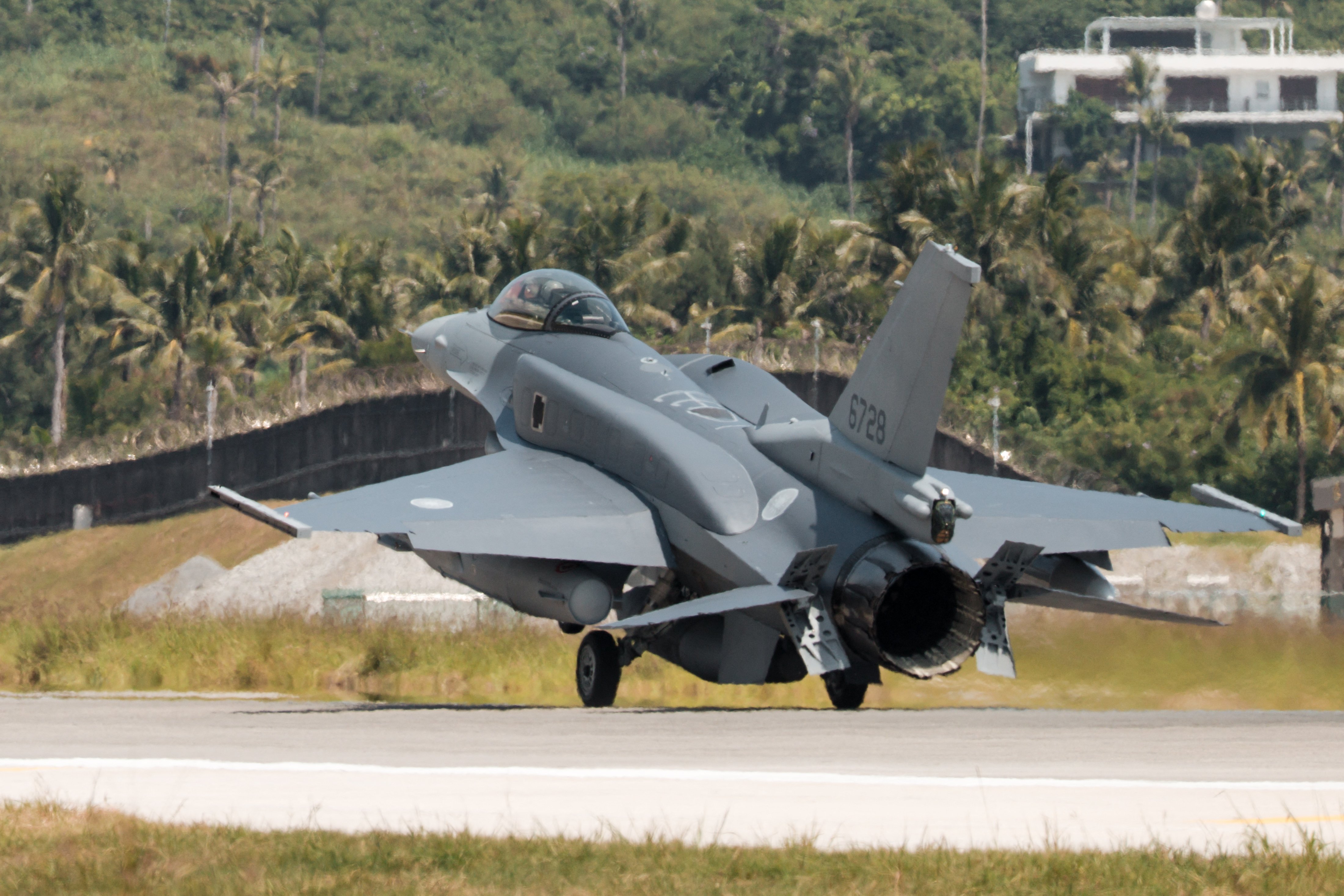
That means submarines, precision, long-range strike capability (including producing munitions in Australia), enhancing northern bases, growth in the number of ADF personnel, new technologies, and engagement in the Indo-Pacific.
Then the additional investment should be in mobilisation, faster workforce expansion, more research and development, and, controversially, a national service scheme.
Reintroduce the Draft
Some of the additional funding should be allocated to stockpiling munitions, fuels, medicines, and strategic materials in the event Australia’s sea lanes become part of a future conflict.Some should also be spent on building more infrastructure for training an enlarged, mobilised ADF, and basing larger numbers of foreign forces in Australia.
“And increasing manpower for reserve units and training institutions would also be timely initiatives,” he adds.
However, Australia shouldn’t rely solely on reservists in the event of conflict in the Indo-Pacific and should, Ryan says, introduce universal national service.
He says it would “inculcate young Australians with a service ethos and an understanding that citizenship is about balancing individual and community imperatives.”
“Small, professional military institutions do not survive long in major conflicts,” he says. “The ability to induct large numbers of additional people into the ADF quickly is therefore an imperative.”
While he admits that spending more on defence would inevitably mean cuts to domestic programs, increased government borrowing, or a combination of both, the risks of the current strategic environment can’t be underestimated.
“Australia’s circumstances may not just be the most challenging since the Second World War, as the 2024 National Defence Strategy judged, but the worst in our history,” he warns.
.
What's Your Reaction?
 Like
0
Like
0
 Dislike
0
Dislike
0
 Love
0
Love
0
 Funny
0
Funny
0
 Wow
0
Wow
0
 Sad
0
Sad
0
 Angry
0
Angry
0













Comments (0)