

One Phone Call Could Shake the Pacific: Why Trump Talking to Taiwan's President Alarms Beijing
U.S. President Donald Trump has indicated he plans to speak directly with Taiwan's President Lai Ching-te — a move that would be unprecedented for a sitting U.S. leader. Beijing has warned Washington to proceed with "extreme caution." Here's what's at stake and why this call carries enormous geopolitical weight.


.
Trump Repeats His Intention — This Is No Slip of the Tongue
When Donald Trump first mentioned plans to call Taiwan's President Lai Ching-te, some observers dismissed it as an off-the-cuff remark. Then he said it again — one week later.
That second mention, made on May 21, 2026, effectively ended speculation that Trump had simply misspoken. The White House has not confirmed a date or time for the call. Neither has Taipei. But the signal is clear: Trump is seriously considering direct contact with a leader Beijing refuses to even acknowledge by title.
Taiwan's government welcomed the prospect. "We would be happy for President Lai and President Trump to speak," a Taiwanese official indicated. China's foreign ministry responded with a pointed warning, telling Washington to "handle the Taiwan issue with extreme caution and stop sending wrong signals to the separatist forces of Taiwan independence."
Why Beijing Considers Taiwan a Red Line
To understand the intensity of China's reaction, one must understand the history. When China's Communists under Mao Zedong defeated Nationalist forces in 1949, the defeated Republic of China government retreated to Taiwan. From that moment, the civil war became — in Beijing's view — an unfinished chapter.
The People's Republic of China (PRC), the government that controls mainland China, regards Taiwan as a breakaway province that must eventually return to its control. It has never renounced the use of military force to achieve that goal, though it publicly prefers what it calls "peaceful reunification."
Beijing describes Taiwan as its "core of core interests" — a phrase that signals this is not a subject open to negotiation or outside comment. Any foreign leader engaging officially with Taipei is, in Beijing's eyes, interfering in Chinese internal affairs.
A Democracy That Refuses to Be Absorbed
Taiwan sees things very differently. The island of 23 million people has developed into a fully functioning democracy — with free elections, an independent judiciary, and a free press. Its government formally calls itself the Republic of China and firmly rejects Beijing's claim to sovereignty.
President Lai Ching-te, who took office in 2024, has repeatedly offered direct dialogue with Beijing. Each offer has been rejected. Chinese officials instead label him a "separatist" — a term carrying serious political weight in Chinese Communist Party (CCP) rhetoric.
Taiwan argues it has every right to conduct foreign relations and engage with the international community. The disconnect between these two positions is the core of one of Asia's most dangerous standoffs.
The United States: Officially Neutral, Practically Committed
Washington's position on Taiwan is deliberately ambiguous — and has been for decades. In 1979, the U.S. formally switched diplomatic recognition from Taipei to Beijing, in line with the "One China" policy. Official relations with Taiwan were severed.
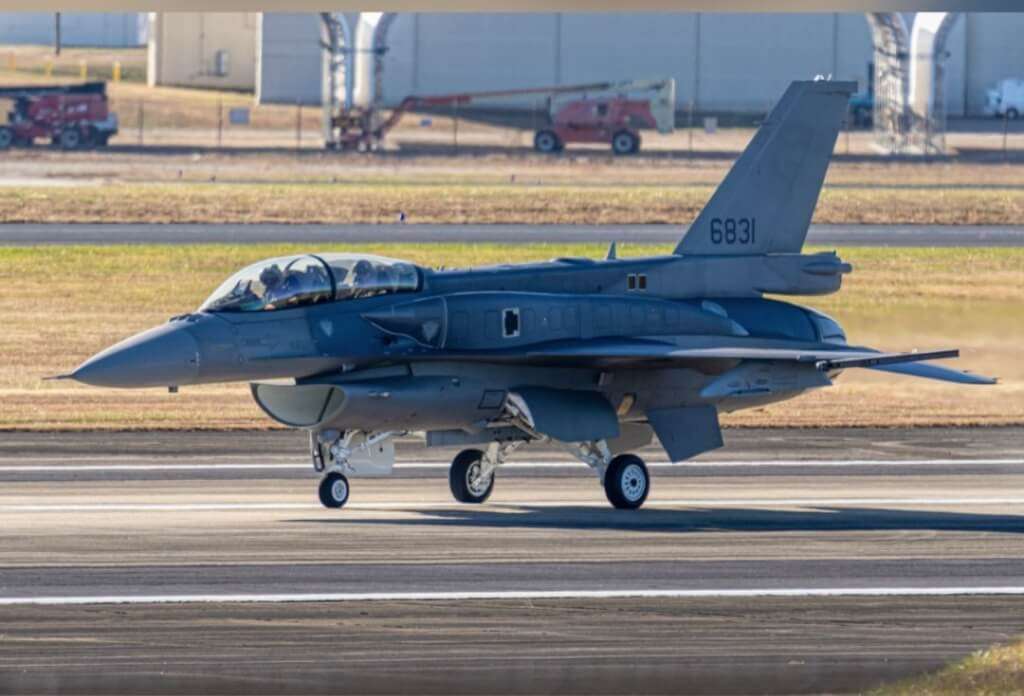
Yet the Taiwan Relations Act, passed the same year, legally requires the U.S. to provide Taiwan with the means to defend itself. In late 2024, the Trump administration approved an $11 billion arms sales package to Taiwan — the largest in history.
The U.S. also reaffirmed the so-called Six Assurances — security commitments made to Taiwan during the Reagan era and declassified in 2020. These include guarantees that Washington has not agreed to end arms sales to Taiwan, nor promised Beijing a veto over such decisions.
How China Has Responded in the Past
China's responses to U.S.-Taiwan engagement have not been subtle. When then-House Speaker Nancy Pelosi visited Taipei in 2022, Beijing launched its largest military exercises around Taiwan in decades — live-fire drills that encircled the island and rattled global markets.
Additional rounds of war games followed in subsequent years, often timed to coincide with U.S. statements or actions seen as favorable to Taiwan.
There is, however, a precedent for direct Trump-Taiwan contact at the presidential level. In late 2016, President-elect Trump took a congratulatory phone call from then-President Tsai Ing-wen. Beijing's response at the time was comparatively restrained — a formal diplomatic complaint and a criticism of Taiwan for what officials called a "petty action."
Whether Beijing would respond with similar restraint today — in a far more tense geopolitical environment — is far from certain.
What Comes Next
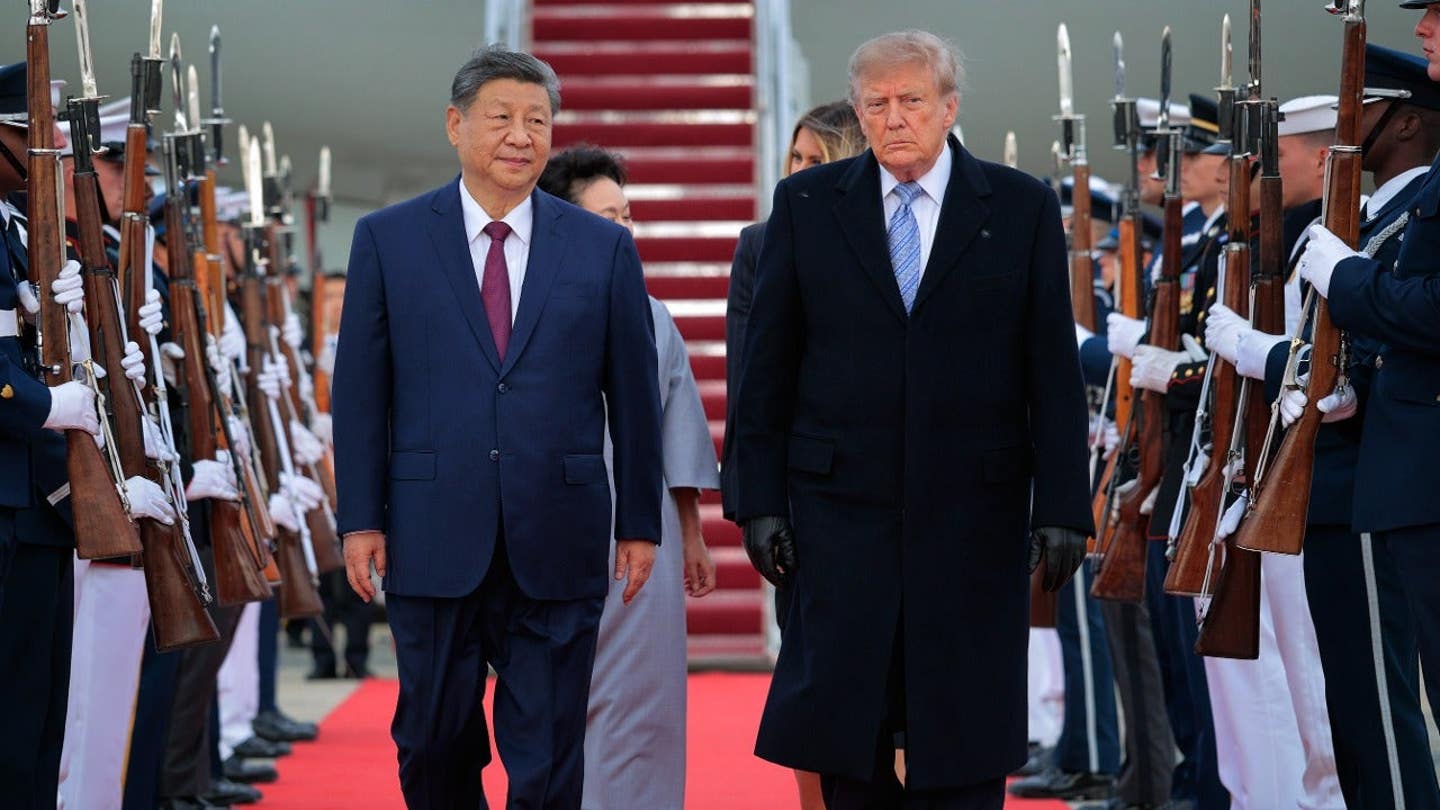
The timing of a potential Trump-Lai call remains unconfirmed. But the fact that Trump has now stated his intention twice — including after meeting President Xi Jinping in person — makes this more than political noise.
For Beijing, a direct call between the U.S. and Taiwanese presidents would represent a symbolic breach of the "One China" framework it has defended for decades. For Taiwan, it would be a significant diplomatic moment with a major power. For Washington, it would be a calculated signal — one with consequences that could range from diplomatic protests to renewed Chinese military pressure in the Taiwan Strait.
The call hasn't happened yet. But in a region where words carry the weight of warships, Trump's repeated statements have already moved the needle.
.
Sources:
- Reuters – "Why China might react badly to any call between Trump and Taiwan's president" (May 22, 2026): https://www.reuters.com/world/china/why-china-might-react-badly-any-call-between-trump-taiwans-president-2026-05-22/
- BBC News – Taiwan profile and cross-strait relations overview: https://www.bbc.com/news/world-asia-16164639
- Radio Free Asia – Coverage of Lai Ching-te and Beijing's responses: https://www.rfa.org/english/news/china/taiwan
- U.S. State Department – Taiwan Relations Act and Six Assurances: https://www.state.gov/u-s-relations-with-taiwan/
.
What's Your Reaction?
 Like
0
Like
0
 Dislike
0
Dislike
0
 Love
0
Love
0
 Funny
0
Funny
0
 Wow
0
Wow
0
 Sad
0
Sad
0
 Angry
0
Angry
0












Comments (0)