

Qualcomm Lands Major AI Chip Deal With ByteDance — A Strategic Win With Geopolitical Strings Attached
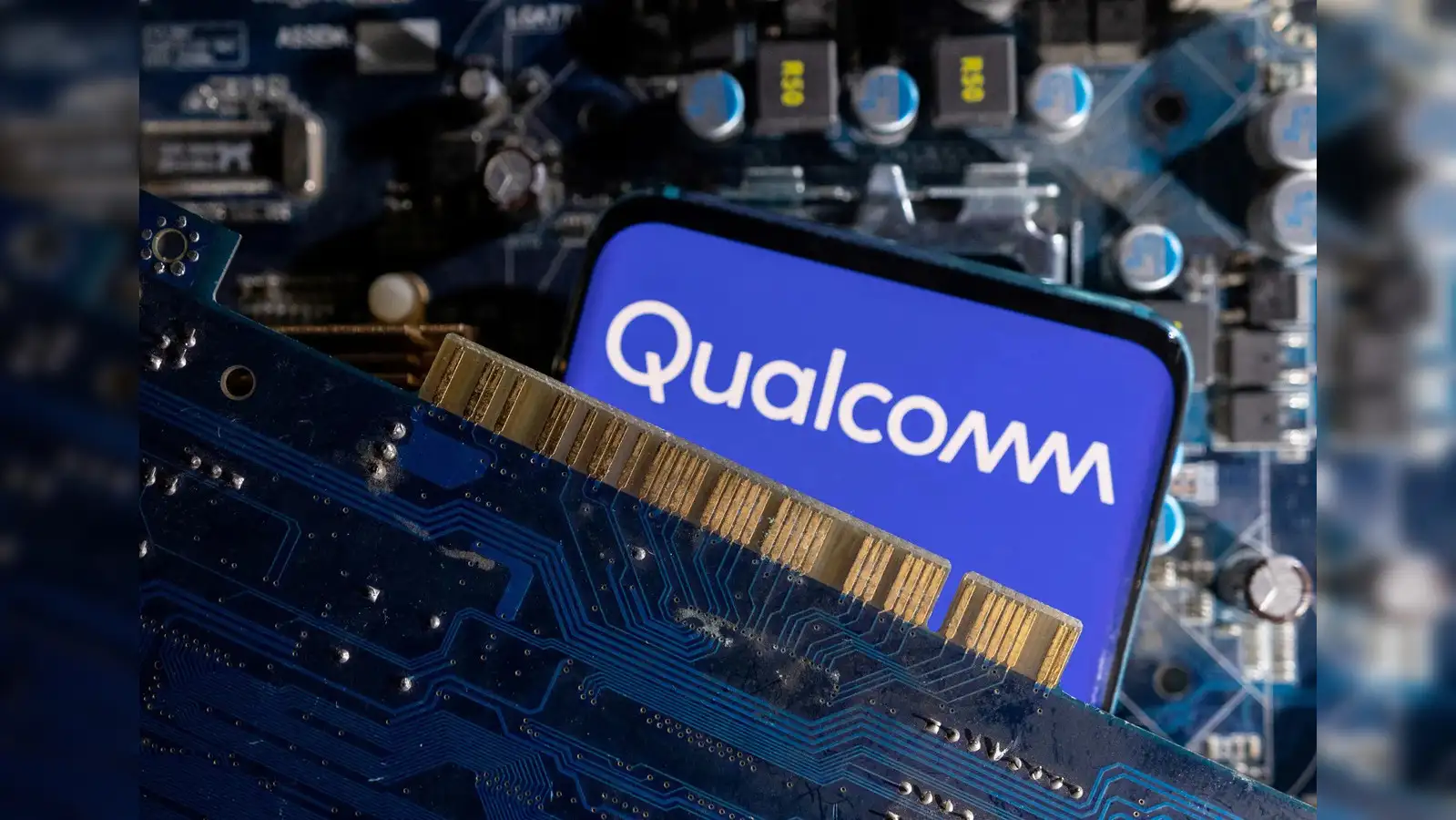
Qualcomm has reportedly struck a landmark deal to supply AI chips to ByteDance, the Chinese tech giant behind TikTok. The agreement marks a significant step in Qualcomm's push beyond smartphones — and highlights the razor-thin line U.S. chip companies must walk in today's tech trade war between Washington and Beijing.

.
A Deal That Sent Shares Soaring
Qualcomm's stock hit an all-time high on Tuesday, climbing more than 6% to $247.91, after Bloomberg News reported that the San Diego-based chipmaker had reached a deal to supply AI chips to ByteDance — the Chinese company that operates TikTok and one of the world's largest social media platforms.
The report, citing people familiar with the matter, said ByteDance plans to purchase millions of specialized chips from Qualcomm to support its expanding AI software operations. Neither Qualcomm nor ByteDance commented publicly on the deal.
What Kind of Chips Are We Talking About?
At the heart of the deal are so-called ASICs — Application-Specific Integrated Circuits. Unlike general-purpose processors found in everyday computers, ASICs are custom-built chips designed for one specific task, making them faster and more energy-efficient for that purpose.
ByteDance reportedly wants these chips to power its AI agent software — programs that can carry out tasks autonomously, from answering questions to managing data. According to Bloomberg, the deal would also help ByteDance take an already completed in-house chip design and turn it into a production-ready product, with Qualcomm handling the manufacturing side.
A Pivotal Moment for Qualcomm
For Qualcomm, this deal is more than just a sales win. The company has long dominated the market for smartphone modem chips, but that sector is maturing. Qualcomm CEO Cristiano Amon has made no secret of his ambitions to break into the AI data center market — a sector currently dominated by Nvidia, which still controls the vast majority of advanced AI chip supply globally.
Amon said during a post-earnings call last month that Qualcomm was actively developing three types of chips for data centers: central processing units (CPUs), AI inference accelerators, and custom ASICs. He mentioned engagement with several potential customers without naming names. The ByteDance news effectively put a name to that pipeline.
Qualcomm has also been expanding in other directions: its new AI200 and AI250 chips, announced earlier this year, already secured Saudi Arabia's AI startup Humain as a major early customer. A deal of this scale with ByteDance would firmly establish Qualcomm as a serious AI infrastructure player.
Walking the Tightrope: Export Rules and Geopolitics
The deal comes at a turbulent time in U.S.-China technology relations. Washington has spent several years tightening export controls on advanced semiconductors — particularly those capable of powering large-scale AI systems — out of concern that such technology could boost Beijing's military and surveillance capabilities.
Before restrictions tightened significantly, Nvidia dominated China's advanced chip market. Chinese tech giants like ByteDance, Alibaba, and Tencent have since scrambled to find alternatives — both through domestic development and by sourcing chips that fall within legally permitted computing thresholds.
According to Bloomberg's report, the Qualcomm chips involved in this deal are designed to stay within those thresholds, meaning the transaction would not violate existing U.S. export rules. Still, the situation remains sensitive. Congress has been pushing for tighter controls, with proposals like the AI Overwatch Act seeking to treat advanced semiconductor exports similarly to arms sales. The Trump administration, by contrast, has taken a more commercially oriented approach, easing some restrictions while adding tariffs and volume caps.
This creates an environment in which U.S. chip companies can still do business with Chinese firms — but must navigate a complex and shifting legal landscape with extreme care.
Why ByteDance Needs This
ByteDance is not standing still. The company has been aggressively building out its AI capabilities, from large language models to autonomous software agents. But like other Chinese tech firms, it has faced mounting pressure to reduce dependence on foreign — especially U.S. — chip suppliers, given the unpredictability of American export policy.
Working with Qualcomm to bring an in-house chip design into production is a smart hedge: ByteDance develops the intellectual property, Qualcomm provides the manufacturing know-how. This kind of arrangement gives ByteDance more control over its chip supply chain while still relying on a trusted, legally compliant U.S. partner.
The Bigger Picture: A Fragmenting Market
The Qualcomm-ByteDance deal also reflects a broader shift in the global AI chip market. Companies like Google and Meta are investing heavily in custom chip development to reduce dependence on Nvidia's expensive processors. Broadcom and Marvell have already built significant businesses in the custom chip space. Qualcomm is now entering that competition — and its first major win appears to be one of China's biggest tech companies.
Whether the deal survives regulatory scrutiny and fulfills its commercial promise remains to be seen. But one thing is clear: the race to supply the world's AI infrastructure is intensifying — and the geopolitical stakes have never been higher.
.
Sources
- Bloomberg News (via Reuters): https://www.reuters.com/business/qualcomm-strikes-ai-chip-deal-with-tiktok-owner-bytedance-bloomberg-news-reports-2026-05-26/
- Bloomberg News (original report): https://www.bloomberg.com/news/articles/2026-05-26/qualcomm-strikes-ai-chip-deal-with-tiktok-owner-bytedance
- Qualcomm AI chip data center push (Reuters): https://www.aol.com/articles/qualcomm-accelerates-data-center-push-140036225.html
- U.S. AI chip export controls – Council on Foreign Relations: https://www.cfr.org/articles/chinas-ai-chip-deficit-why-huawei-cant-catch-nvidia-and-us-export-controls-should-remain
- U.S. chip export policy shifts 2026 – TechPolicy.Press: https://www.techpolicy.press/technology-restrictions-have-become-a-central-instrument-of-economic-statecraft/
- Built In – Trump AI chip ban reversal: https://builtin.com/articles/trump-lifts-ai-chip-ban-china-nvidia
.
What's Your Reaction?
 Like
0
Like
0
 Dislike
0
Dislike
0
 Love
0
Love
0
 Funny
0
Funny
0
 Wow
0
Wow
0
 Sad
0
Sad
0
 Angry
0
Angry
0










Comments (0)