

South Korea’s Lee Urges Regional Peace in Summit With China’s Xi


.
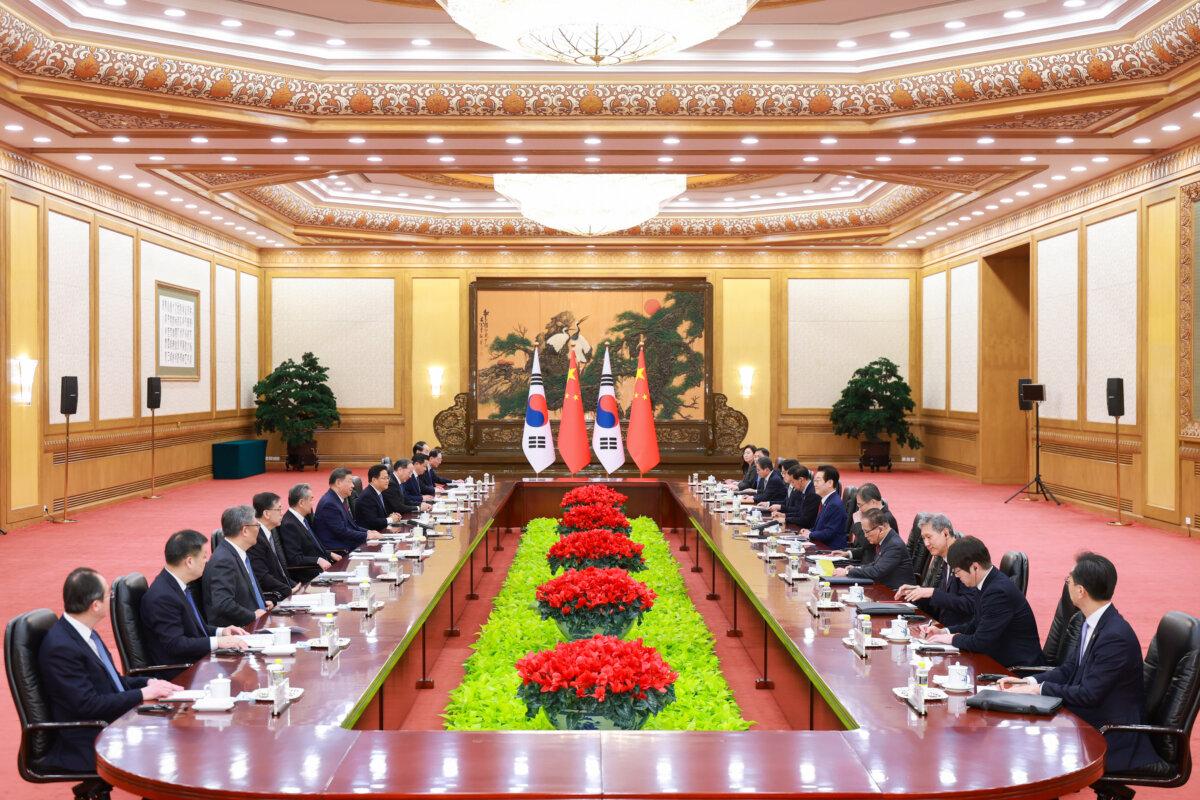
South Korean President Lee Jae Myung on Jan. 5 called on the Chinese communist regime to work with his nation to achieve peace on the Korean Peninsula, as tensions escalate following Pyongyang’s test-firing of missiles hours before his visit to Beijing.
Lee is in Beijing for a four-day state visit, the first time since 2019 that a South Korean president has traveled to China.
In the opening remarks at the summit with Chinese leader Xi Jinping, Lee said Beijing and Seoul should work together for peace on the Korean Peninsula.
He told Xi that they can “make joint contributions to promote peace,” which he described as “the foundation for prosperity and growth.”
KCNA said that the hypersonic missiles were fired from the nation’s capital region and hit targets about 620 miles away from the East Sea of Korea, the water that lies between Japan and the Korean Peninsula.
According to a Jan. 5 readout released by the Korean president’s office, the two leaders reaffirmed that peace and stability on the Korean Peninsula serve the “common interests of the two Koreas” and confirmed Beijing’s willingness to “play a constructive role” to achieve that goal.
There was no mention of Pyongyang or the Korean Peninsula in the Chinese summary of the meeting.
Instead, Xi highlighted the two nations’ efforts to fight against Japanese militarism more than eight decades ago, calling on Seoul to collaborate with Beijing to defend what he called “the achievements of victory in World War II” and to safeguard the “peace and stability of Northeast Asia,” according to the readout from China’s foreign ministry.
The meeting took place against a backdrop of rising tensions between Beijing and Tokyo.
The CCP views self-ruled Taiwan as its own territory to be taken by force if necessary. Despite never having governed the democracy of 23 million people, the leadership in Beijing frequently warns foreign governments that unification with Taiwan is at the core of the regime’s interests.
Xi, at the meeting with Lee, said that Seoul and Beijing should respect each other’s chosen development paths and “look after each other’s core interests and major concerns,” according to the Chinese regime’s foreign ministry.
.
Trade
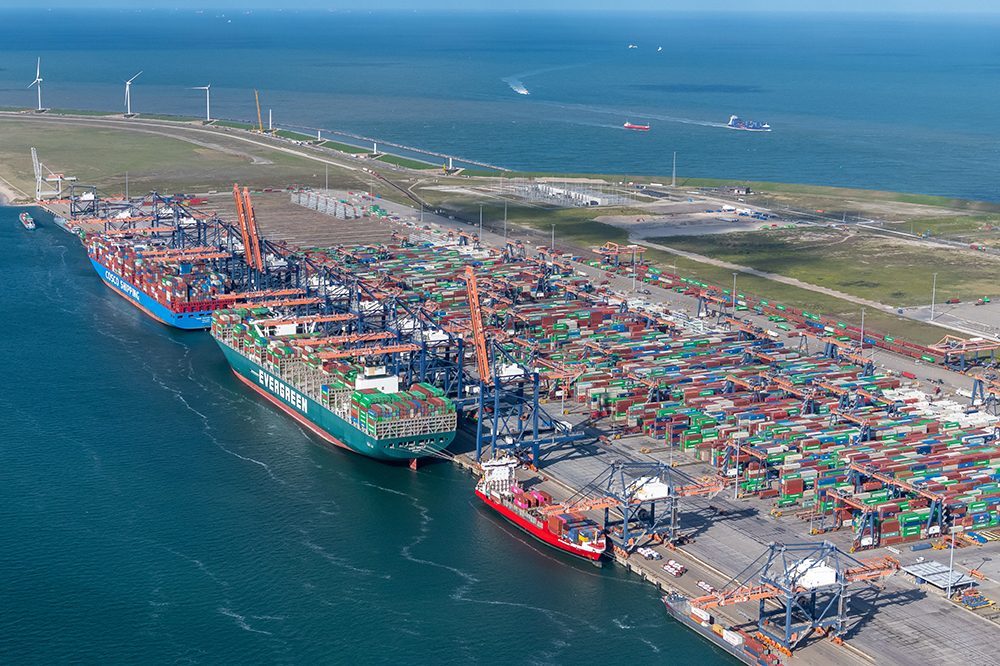
Ahead of the leaders’ summit, Korean and Chinese companies signed nine memorandums of understanding to boost cooperation in food, supply chain, and other sectors, according to Korea’s Ministry of Trade and Industry.Among them is an agreement between Korean tech firm SWM and Chinese computer manufacturer Lenovo, focusing on developing high-performance computing platforms. Korean retailer Shinsegae Group also inked an agreement with Alibaba International, an e-commerce giant that operates China’s largest online shopping platforms, to expand the reach of Korean products through Alibaba’s vast global distribution network, the ministry said.
With these new agreements, Seoul aims to strengthen its companies’ presence in the Chinese market, Korean Industry Minister Kim Jung-kwan said in the press release.
What's Your Reaction?
 Like
0
Like
0
 Dislike
0
Dislike
0
 Love
0
Love
0
 Funny
0
Funny
0
 Wow
0
Wow
0
 Sad
0
Sad
0
 Angry
0
Angry
0












Comments (0)