

Seizing Taiwan Gets Harder for China’s PLA


.
The U.S. Department of War’s latest China Military Power Report is grim reading when it comes to Taiwan.
China’s People’s Liberation Army (PLA) has all the pieces needed for an assault on Taiwan—using air, naval, and ground forces, along with missiles, electronic, and cyber weaponry.
And it has been conducting rehearsals, not exercises.
The report doesn’t mention much the Chinese “fifth column” in place in Taiwan or the ongoing subversion—“entropic warfare”—breaking apart Taiwan’s society and the citizenry’s will to resist.
However, this focus on Chinese military capabilities is about what China can do to Taiwan.
As important is what Taiwan can do to China, especially to a PLA invasion force crossing the Taiwan Strait.
One way to consider this is to put yourself in the place of a PLA invasion force commander and ask: What would I least like to face?
More than anything, you don’t want to have to deal with an enemy you can’t see (because he’s well-hidden, hard to spot, and mobile), and he’s hitting you with precision from different directions and from long distances.
And if he can do these things, he’s probably got the confidence to fight hard—and that makes a huge difference.
Once again, ask the Chinese commander: Do you want Taiwan to have these weapons, or to have more of them?
The answer is “no.”
The weapons in the arms package, in fact, reflect Taiwan’s steady transformation from a fixed, relatively immobile defense scheme—that’s relatively easy to target and destroy—to a more mobile, dispersed, deadly, and survivable defense.
Done right, Taiwan’s military could present the PLA with a very difficult problem—especially if Beijing’s objective is a quick victory that doesn’t give the United States and the free world time to catch their breath and pitch in on Taiwan’s behalf, or for China’s public to sour on a costly stalemate.
.
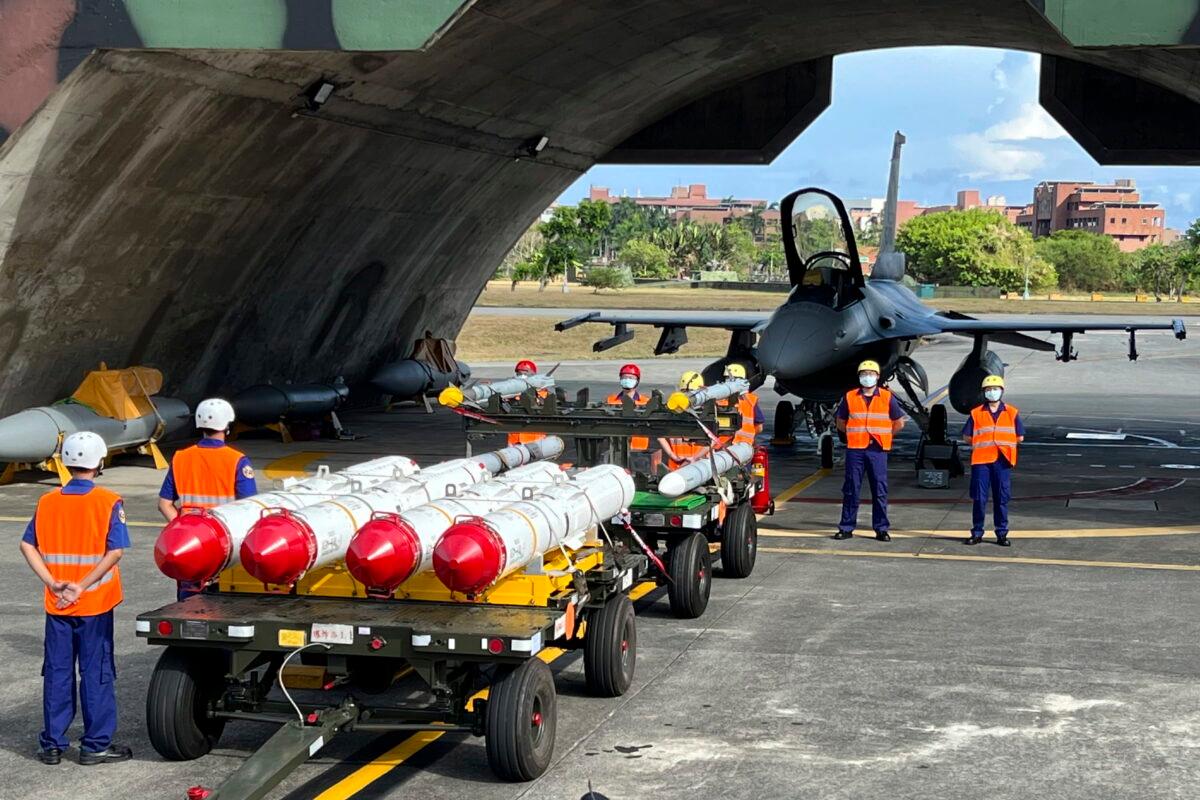
High Mobility Artillery Rocket System (HIMARS)
This is a mobile rocket system that fires several types of long-range missiles, including the Army Tactical Missile System missiles, or ATACMS, (420 of which are in the latest package), with the range and precision to hit targets across the Taiwan Strait. So imagine the PLA Navy invasion force’s ships being cracked in half before they even leave port.HIMARS is effective against personnel as well, and submunitions can cover a sizeable patch of ground. The launchers are harder to locate and target than you’d think.
155 mm Self-Propelled Howitzers
There is still plenty of use for regular “tubed” artillery on the battlefield, and the Russia–Ukraine war has demonstrated that if you can fire and “shift position” fast enough, you’ve got a reasonable chance of surviving—maybe not forever, but long enough not to lose a war.Tube-Launched, Optically Tracked, Wire-Guided (TOW) Anti-Tank Missiles and Javelin Shoulder-Fired Missiles
These two weapons—Javelins in particular—stymied the Russian assault force in Ukraine. They were helped out by poor Russian soldiering and some tough Ukrainian troops with the nerve to get in close.Altius Loitering Munitions
These are armed drones. With enough of these, and used properly, they can make life miserable for a PLA landing force, both at sea and ashore.Dealing with a sky full of drones—either “tracking” or “killing” you—has got to be one of the most unpleasant developments in modern warfare, for both attacker or defender.
Ukraine only shows the beginning of what’s coming in terms of drone capability.
How many drones does Taiwan need? As with Javelins, TOWs, and anti-ship and other missiles, the answer is “one more.” You never have enough.
Hopefully, the Taiwanese are being moved to the front of the line and receive this latest package (along with others already in the pipeline) soon—and not years from now.
A Changed Approach to Taiwan’s Defense
Taiwan’s terrain is such that any defense is a coastal defense, but at the same time, there’s enough room so Taiwanese forces can, and will, be deployed to conduct a more mobile (and survivable) defense to hit targets at sea, on the beach, and farther ashore if they get that far.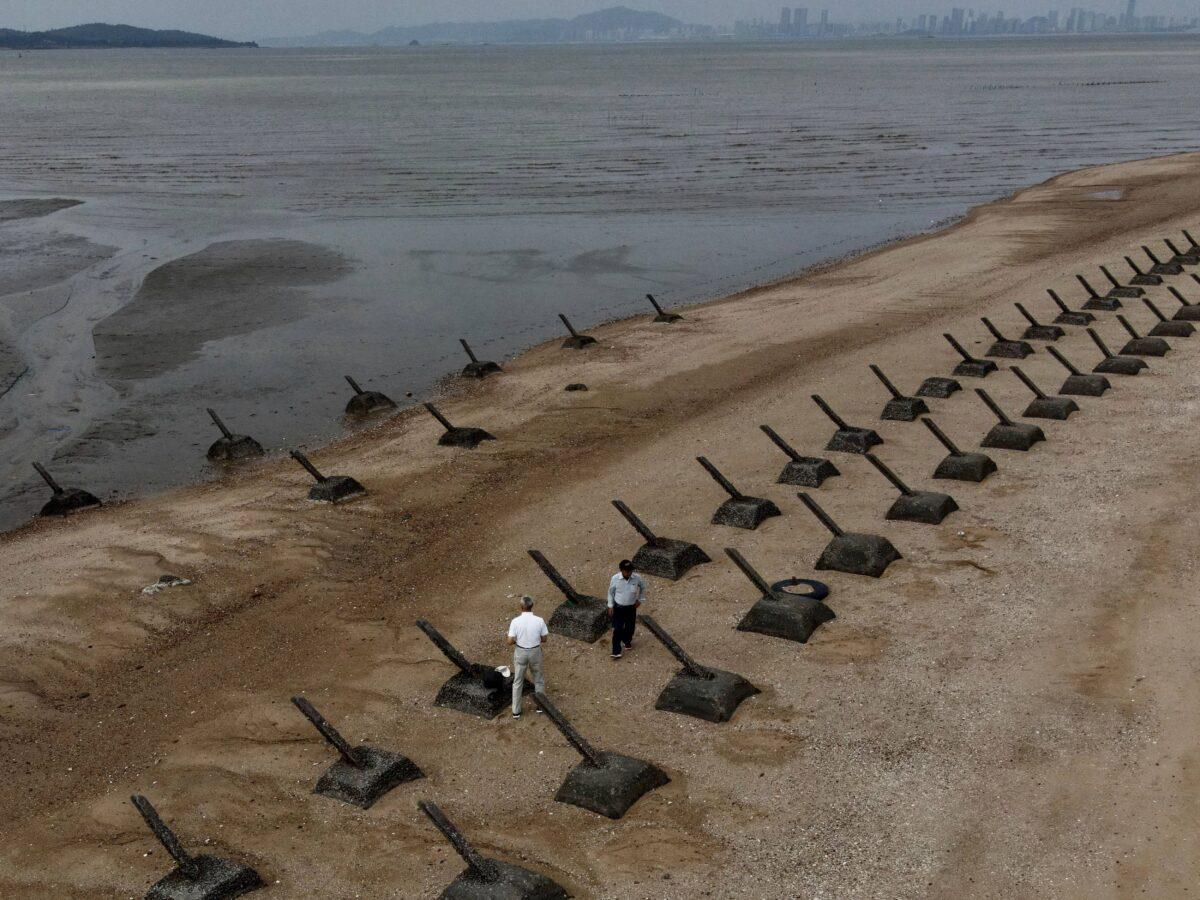
The key has been to change Taiwan’s military leadership’s thinking away from static, fixed defense toward something dispersed and mobile—and to pass initiative down to very low levels.
This has been late coming for the Taiwan Armed Forces—but it’s coming. And one hopes fast enough.
Also, it’s 15 years later than it should have been, but U.S. military trainers are in Taiwan in useful numbers. And the Taiwan Armed Forces are training in the United States with U.S. forces.
So despite the China Military Power Report that might suggest Taiwan is a lost cause, the PLA’s considerable capabilities are not the end of the matter.
Taiwan and the rest of the free world have something to say about it as well—as Chinese leader Xi Jinping and any PLA commander know.
What's Your Reaction?
 Like
0
Like
0
 Dislike
0
Dislike
0
 Love
0
Love
0
 Funny
0
Funny
0
 Wow
0
Wow
0
 Sad
0
Sad
0
 Angry
0
Angry
0
















Comments (0)