

Retraining TikTok US Algorithm Not Enough If App Retains Characteristics, Experts Say


.
When Trump administration officials announced that a TikTok U.S. deal was imminent, they stressed that the deal would bring the popular social media app’s algorithm completely under U.S. control.
A law enacted last year had prohibited the control of TikTok by a foreign adversary—in this case, China-based ByteDance—based on national security concerns. Chinese law had prevented ByteDance from selling TikTok’s infamous and opaque algorithm, raising questions as to how control of this algorithm, which ByteDance updates frequently, would be handled in the new venture. According to White House officials, the new joint venture is meant to have complete control over TikTok U.S.’s copy of the algorithm and pay ByteDance a licensing fee.
The source code and algorithm, as well as TikTok and ByteDance’s business practices, have garnered criticism over the years, with evidence of surveillance of journalists and app collusion, where TikTok circumvented asking users for permission to collect data and sought it out via other apps.
TikTok has apologized for some of these cases, attributing some to human error.
U.S. officials are also concerned by the unknown amounts of data that the companies confirmed were sent to China for ByteDance employees to work on, even if that data was ultimately stored in Oracle servers on U.S. soil.
Now, the deal presents a chance to cut off Chinese influence from the popular video app, and policymakers and advocates are hoping it will herald meaningful change.
“The divestiture puts the operation of the algorithms and code, as well as content-moderation decisions, under the control of the new joint venture,” Trump’s executive order states.
It also includes “intense monitoring of software updates, algorithms, and data flows” by Oracle and “requires all recommendation models, including algorithms, that use United States user data to be retrained and monitored by those trusted security partners.”
However, retraining the existing algorithm on U.S. user data is not enough, says Sherry Yin, who runs a video platform with a mission to put humanity above technology. Yin is the CEO of GanJingWorld (GJW), a video platform she says is deliberately designed to be “non-addictive,” mimicking a library that lets people steer their own content journeys rather than an algorithm meant to drive screen time.
Yin points to a 2021 directive issued by the Chinese regime’s Cyberspace Administration that requires the “algorithmic recommendation activities” of internet products and services to “promote core socialist values” and safeguard the CCP’s interests.
TikTok is actually banned in China, where ByteDance runs the China-only Douyin video app instead. The new rule required companies to register their recommendation algorithms with the agency, and Douyin was among the first to appear on the list.
“Socialism, atheism, communism, and criticism of American culture are rooted in China’s state ideology: it rejects traditional faith and moral frameworks as understood in the West, sets itself up as a rival to ‘Western values,’ and is enforced through strict state control and censorship,” Yin told the Epoch Times.
“Would retraining the same algorithm on different data be enough? My answer is no.”
Yin said the platform was designed to not only maximize engagement and watch time but also fulfill the CCP’s goals, in addition to being “shaped by socialist values.”
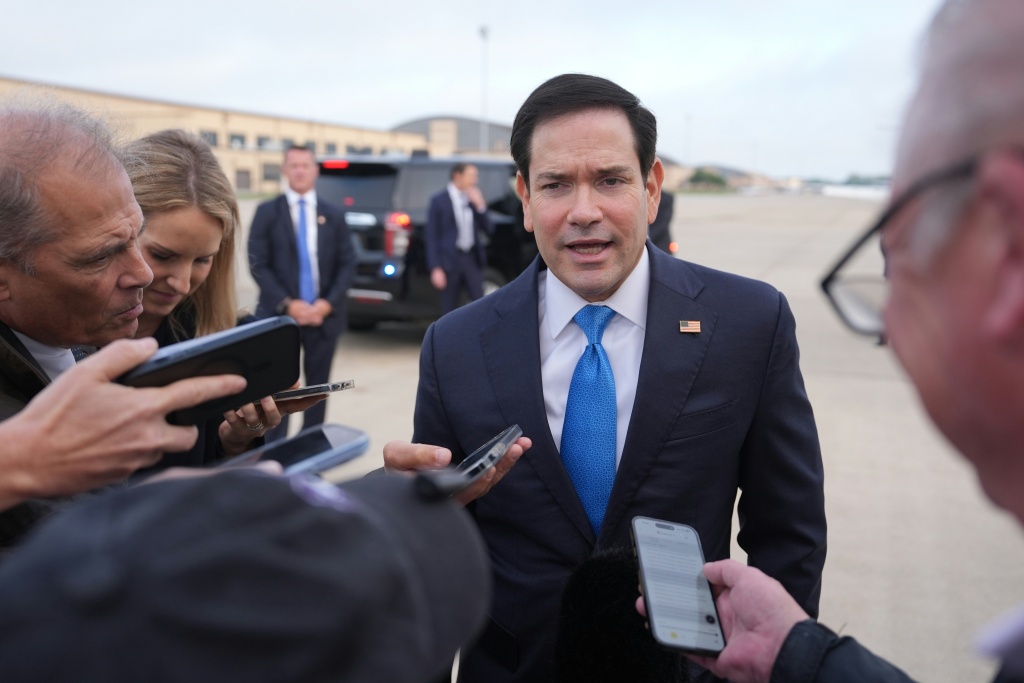
After recent negotiations in Madrid, U.S. Treasury Secretary Scott Bessent told reporters that the Chinese negotiators were very interested in retaining “Chinese characteristics” of the app—a term CCP officials often use to refer to the regime’s version of Marxism.
Matthew Bergman, founder of the Social Media Victims Law Center, says retraining the algorithm on U.S. data is meaningless if changes aren’t also made to the algorithm that has sent young teens videos encouraging their participation in dangerous and even fatal challenges such as choking, subway surfing, and ingesting drugs.
In the three years since founding his law firm, Bergman has represented thousands of parents whose children have died or suffered psychological, physical, or sexual abuse at the hands of predators allegedly enabled by these apps. The clients include hundreds of families suing TikTok for damages.
Bergman says the deal enabling U.S. ownership of the app is a positive step for national security reasons, and that the concerns about Chinese control are not unfounded.
It’s deliberately a completely different—and much safer—platform, Bergman said.
During the executive order signing, Trump said he had faith that the new venture was in good hands; namely, patriotic Americans who “don’t want anything like [foreign influence] to happen.”
The chair of the House Select Committee on the CCP, Rep. John Moolenaar (R-Mich.), said on Sept. 26 that he had already called on the executive branch for a briefing about the deal and that his committee would be exerting oversight.
“ByteDance has shown time and again that it is a bad actor, and the Chinese Communist Party’s ultimate goal is to see America divided and weakened,” Moolenaar said, noting that majority American ownership of the new venture alone would not completely satisfy the law, which aims to cut off all control of the app by the Chinese regime.
“I look forward to hosting the leadership of the new TikTok entity at a Select Committee hearing next year,” Moolenaar stated.
.
What's Your Reaction?
 Like
0
Like
0
 Dislike
0
Dislike
0
 Love
0
Love
0
 Funny
0
Funny
0
 Wow
0
Wow
0
 Sad
0
Sad
0
 Angry
0
Angry
0

















Comments (0)