

Reporter’s Arrest Raises Concerns of Beijing Media Infiltration in Taiwan: Analysts


.
A national security case involving a Taiwanese reporter highlights Beijing’s aggressive stance toward the island and the urgency for democracies to work together to counter infiltration threats from China, analysts say.
Taiwan’s Qiaotou District Prosecutors’ Office has accused a journalist and five current and former military personnel of violating the National Security Act, with all six remanded in custody, according to a Jan. 17 statement from the office.
Prosecutors said the media worker allegedly paid active-duty military personnel cash to obtain military information that was then passed to Chinese nationals.
Taiwanese media outlet Chung T'ien Television (CTiTV) later confirmed its reporter Lin Chen-you was among those detained but said it had no information about the allegations and called for fair judicial proceedings.
CTiTV has drawn criticism for favorable coverage of China and became the first news channel in Taiwan to lose its broadcast license in 2020 after the communications regulator cited repeated violations for the spreading of disinformation. A court later overturned the commission’s decision. The legal row is still ongoing following an appeal from the regulator.
Targeting Media Workers
Hung Pu-chao, associate executive director of the Center for Mainland China and Regional Development Research at Taiwan’s Tunghai University, said if the prosecutors’ allegations are proven to be true, this offers a glimpse into Beijing’s covert influence campaign against Taiwan and shows infiltration efforts now target media personnel and information producers.“This doesn’t mean all media workers have been compromised, but it shows Beijing now treats those with public trust and narrative influence as high-value recruitment targets,” Hung told The Epoch Times.
He said that the threat extends beyond spreading disinformation to controlling Taiwan’s news agenda and narrative framing over time.
.
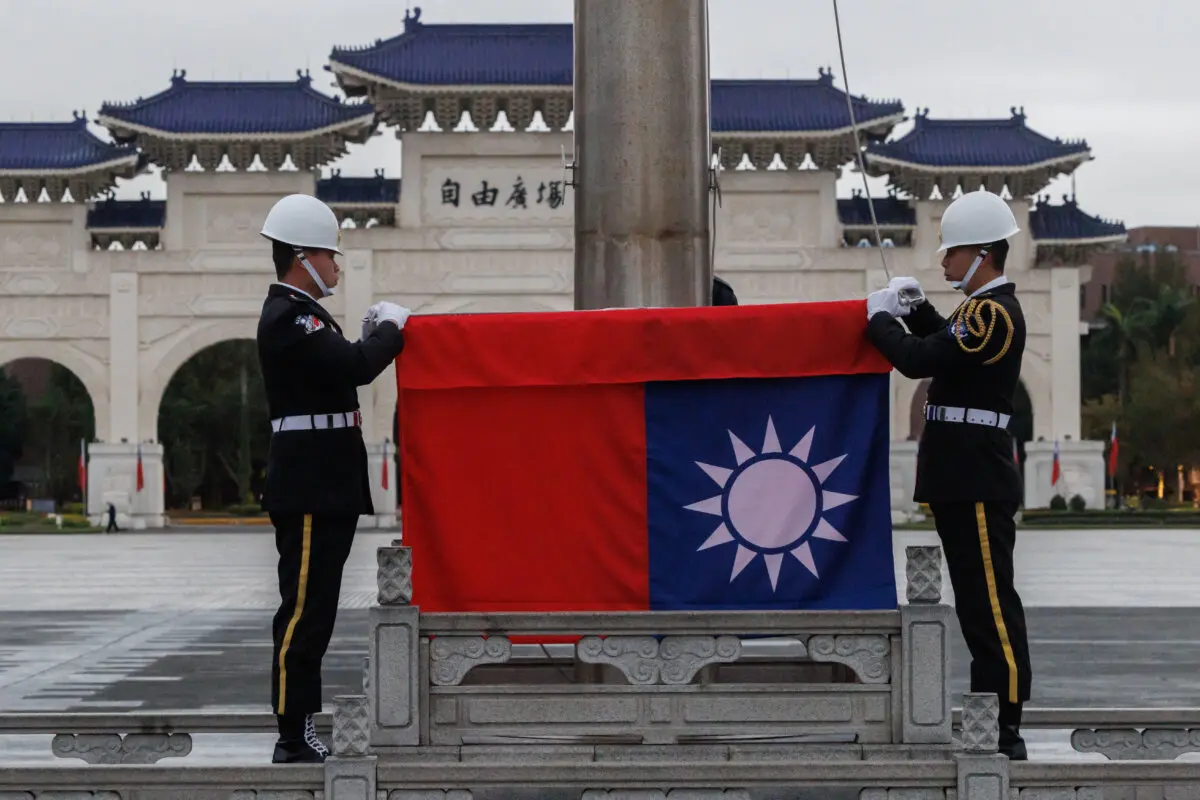
“That’s the most covert and hardest to counter element of cognitive warfare,” Hung said.
Echoing Hung’s assessment, Huang Jaw-nian, an associate professor and chair of the Graduate Institute of Development Studies at National Chengchi University in Taipei, warned that manipulating the public discourse serves Beijing’s propaganda goals, ultimately reshaping how Taiwanese society perceives China.
Using Civilians as Cover
Huang said that because media personnel play a key role in information dissemination and access, communicating through journalists with whom Beijing already has contact makes it easier to achieve its objectives in Taiwan.“In this case, if the CCP can use media contacts to extract defense intelligence from service members, it gains not only material for propaganda campaigns but also access to critical infrastructure details and operational plans,” Huang said.
Hung noted that the case reveals a proxy-based infiltration model rather than a single channel, with Beijing using Taiwanese media workers as intermediaries to reduce the risk and suspicion of direct contact with military and police personnel.
Identifying Vulnerabilities
Hung further noted that beyond collecting specific military data, Beijing aims to test infiltration channels and identify systemic vulnerabilities in Taiwan’s defenses.“Their objective is to establish enduring networks of contacts and trust, laying the groundwork for potential political or military escalation,” Hung said.
He cautioned that although China has not launched a military assault on Taiwan, infiltration operations themselves constitute part of ongoing aggression, with Beijing working to establish internal collaboration mechanisms well before open hostilities break out.
.
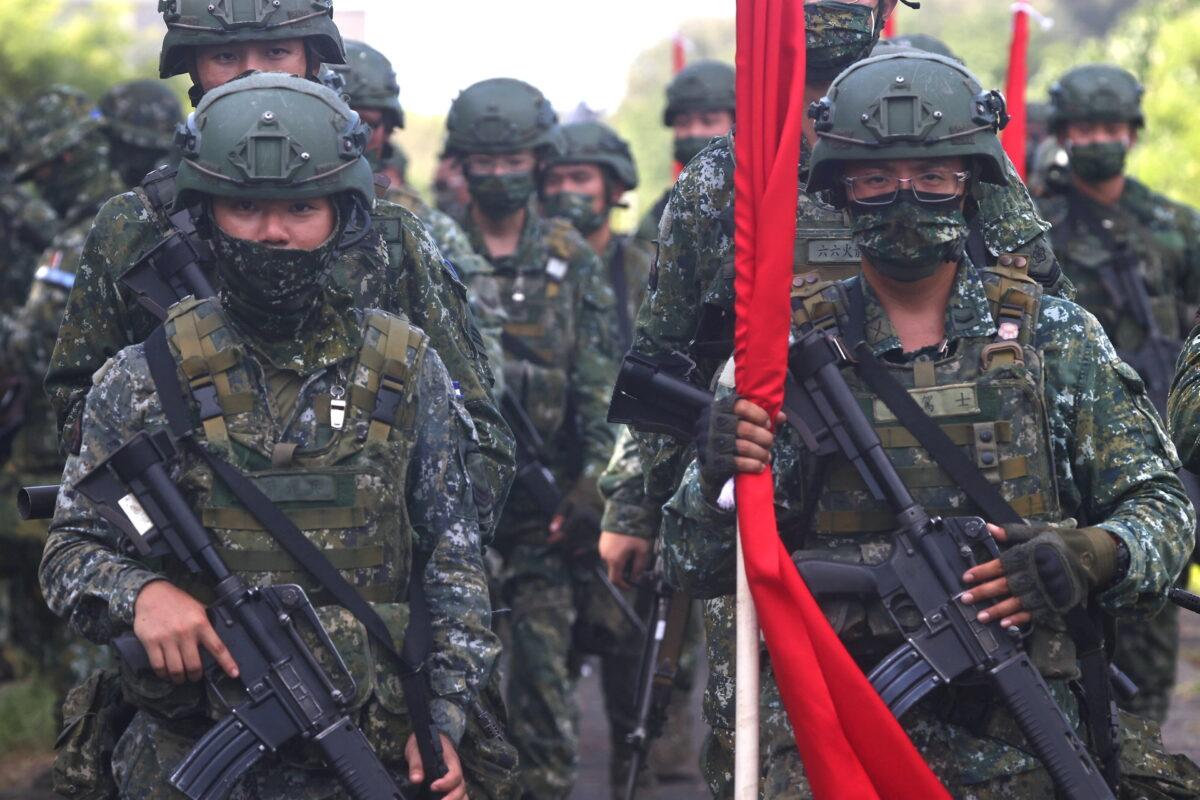
“By controlling key points of influence in peacetime, the CCP can activate internal paralysis mechanisms at the onset of a conflict, reducing the difficulty of an invasion or even achieving victory without battle,” Hung said.
He added that once a cross-strait military conflict erupts, these established channels could generate information chaos, sabotage critical infrastructure, and disrupt government decision-making.
“These actions aim to weaken Taiwan’s overall mobilization and resistance capacity, making infiltration not a side operation but a core component of China’s gray-zone warfare and pre-conflict battlefield shaping,” Hung said.
Huang said that Beijing’s calculation regarding whether to attack Taiwan militarily depends primarily on U.S. defense commitments and Taiwan’s overall resistance capability, factors that infiltration alone cannot determine.
Countering CCP Infiltration
In response to these escalating risks, Huang said that immediate institutional countermeasures are necessary, warning that hostile operations will only intensify.“Taiwan needs policies to block CCP infiltration, like the Anti-Infiltration Act, with enforcement grounded in evidence, so keeping these laws robust remains crucial,” Huang said.
This month, several legislators from Taiwan’s ruling Democratic Progressive Party proposed strengthening the Anti-Infiltration Act with increased penalties and dedicated national security courts to address the urgency of addressing such interference.
.
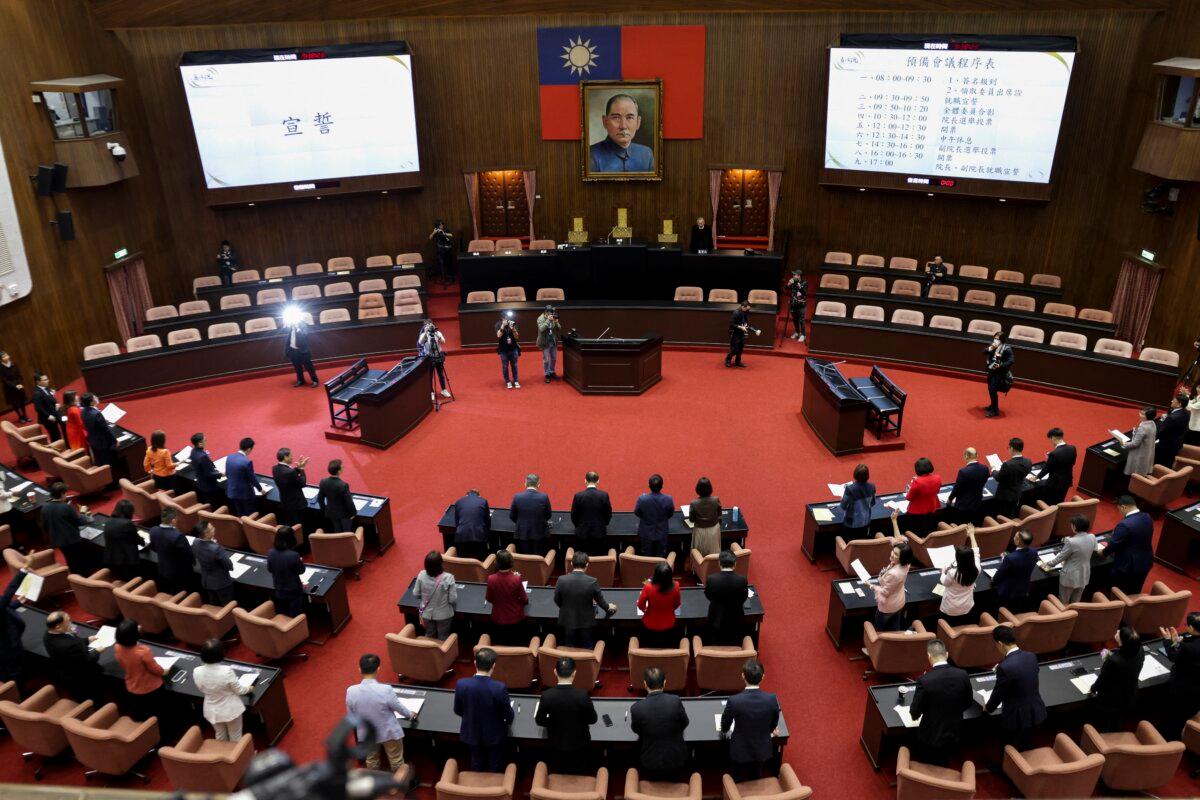
Huang said that Taiwan’s current laws lag behind democracies like the United States and Australia regarding transparency on foreign influence, adding that nations facing CCP coercion must learn from one another.
“Taiwan and the United States could collaborate on investigations since the CCP funnels illicit money and influence through multiple channels, opening significant scope for cross-border cooperation,” Huang said.
In a similar vein, Hung said that while Taiwan stands on the front line of Beijing’s covert operations, such campaigns threaten democracies globally and demand joint action on intelligence sharing, media transparency, and legal frameworks.
“This case shows Chinese infiltration has reached a massive scale, so fighting it requires more than just prosecutions; democracies need to unite to bolster their defenses,” he added.
.
What's Your Reaction?
 Like
0
Like
0
 Dislike
0
Dislike
0
 Love
0
Love
0
 Funny
0
Funny
0
 Wow
0
Wow
0
 Sad
0
Sad
0
 Angry
0
Angry
0













Comments (0)