

Relations With US ‘Rock Solid,’ Taiwan’s President Said After Trump–Xi Call


.
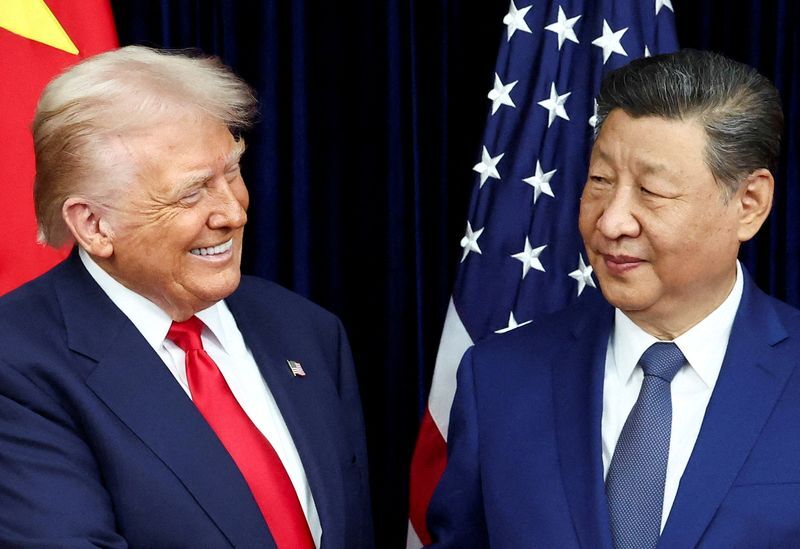
Taiwanese President Lai Ching-te said on Feb. 5 that Taipei has a strong relationship with Washington, hours after U.S. President Donald Trump spoke by phone with Chinese Communist Party (CCP) leader Xi Jinping about topics including the democratically governed island.
“The Taiwan–U.S. relationship is rock solid, and all cooperation projects will continue uninterrupted,” Lai told reporters during a visit to a textiles merchant in western Taiwan.
The U.S. president described his relationship with Xi as “extremely good” and said, “We both realize how important it is to keep it that way.”
According to a readout of the Feb. 4 phone call published on China’s foreign ministry website, Xi reiterated the Chinese regime’s territorial claim on Taiwan and said that the United States should handle the issue of selling arms to Taipei “with prudence.”
Arms Sales to Taiwan
While the United States does not officially recognize Taiwan, Washington is Taipei’s most important ally and its largest arms supplier.The Taiwanese president said at the time that there was “no room for compromise on national security.”
“National sovereignty and the core values of freedom and democracy are the very foundation of our nation,” he said.
“This is not an ideological struggle, nor a dispute over ‘unification versus independence.’ It is a struggle to defend ‘democratic Taiwan’ and to refuse to submit to being ‘China’s Taiwan.’”
.
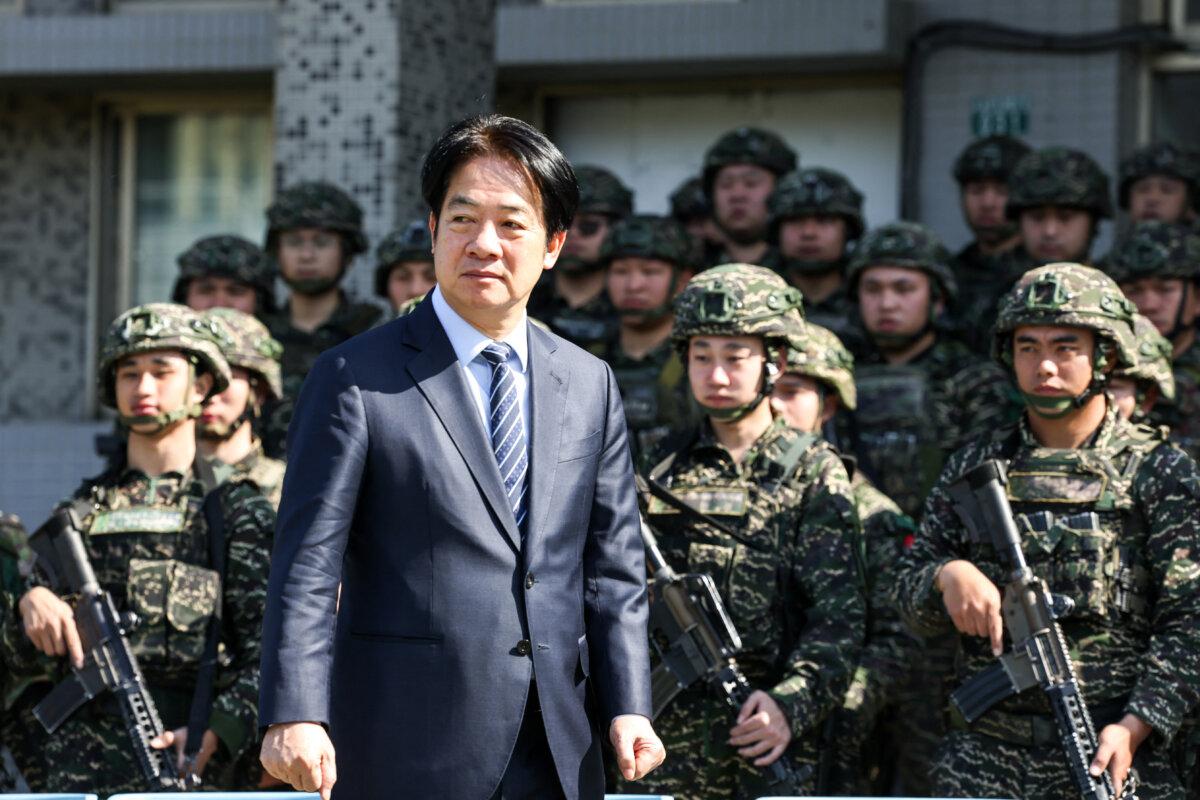
“Taiwan is on the right economic path and is striding confidently as it engages with the world. We have both the strength and the confidence to work with fellow democracies to steer the next generation of prosperity,” he said on Feb. 3 at a press conference at the Taiwanese Presidential Office.
The Taiwanese president praised the outcome of the sixth round of the U.S.–Taiwan Economic Prosperity Partnership Dialogue, which took place in Washington the week prior. He said that one of the goals of his administration was to deepen Taiwan–U.S. trade and economic relations.
What's Your Reaction?
 Like
0
Like
0
 Dislike
0
Dislike
0
 Love
0
Love
0
 Funny
0
Funny
0
 Wow
0
Wow
0
 Sad
0
Sad
0
 Angry
0
Angry
0















Comments (0)