

Maduro’s Arrest Exposes China’s Vulnerabilities in Oil, Sovereignty, Analysts Say


.
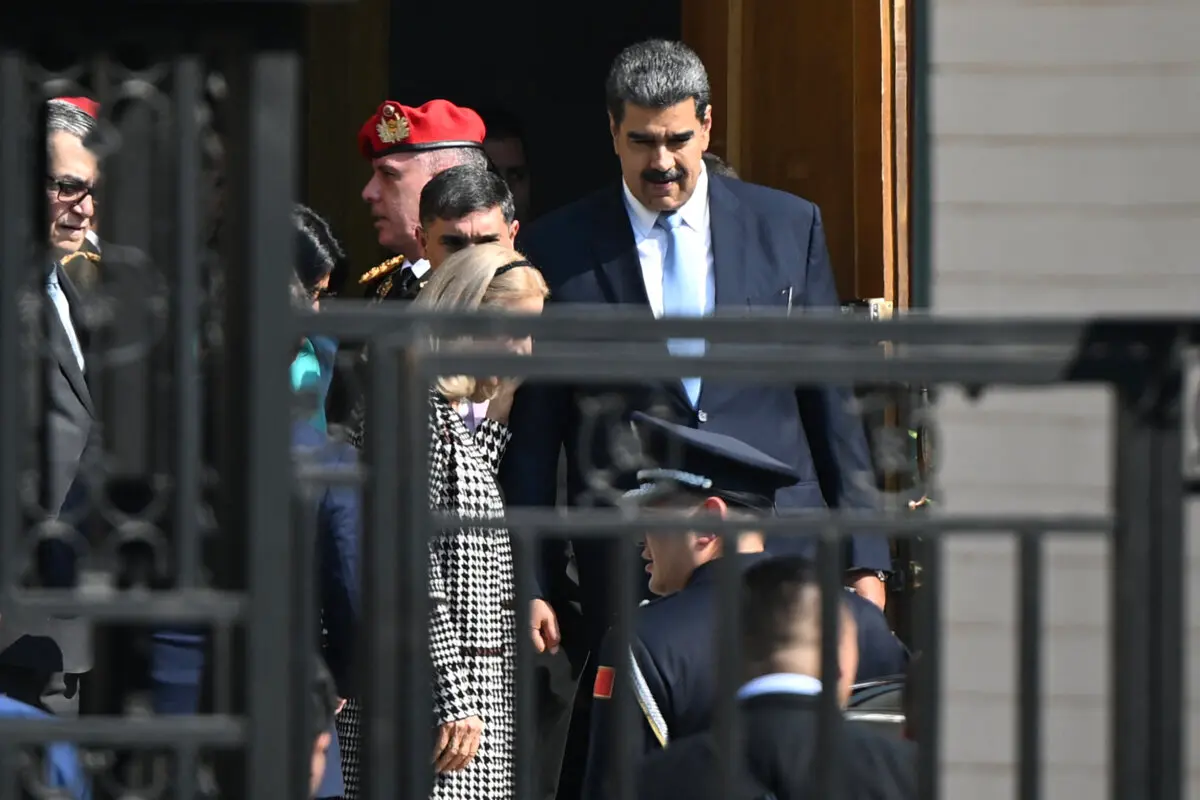
For nearly two decades, Venezuela has been a critical node in the Chinese Communist Party’s (CCP’s) foreign strategy, supplying discounted oil while serving as a geopolitical foothold in the Western Hemisphere.
Maduro’s sudden removal—and Washington’s rapid move to reshape Venezuela’s political and energy future—now threatens both pillars.
When global oil prices collapsed after 2014, Venezuela’s economy spiraled into crisis.
By late 2017, Caracas declared a debt restructuring, and international rating agencies deemed it to be in selective default. Since then, Venezuela has released no comprehensive debt data. Estimates of its external liabilities range from $150 billion to $170 billion, including roughly $60 billion in defaulted bonds. How much of that is owed to China remains unclear.
.
Hidden Oil Trade
Chinese customs data suggest Venezuela has become marginal to China’s energy imports, according to a Jan. 5 article by Chinese state-controlled media Sina, which reported that Venezuelan oil accounted for less than 1 percent of China’s imports in recent years.However, international shipping data tell a different story.
Since U.S. sanctions intensified in 2019, Chinese state firms halted direct purchases. Instead, Venezuelan crude continued flowing to China through ship-to-ship transfers and re-labeling schemes, often via Malaysia, and sometimes disguised as Brazilian or Iranian blends. Tanker-tracking data show that between 2022 and 2025, China imported an average of 300,000 to 700,000 barrels per day of Venezuelan oil or about 4 percent of its total imports.
.
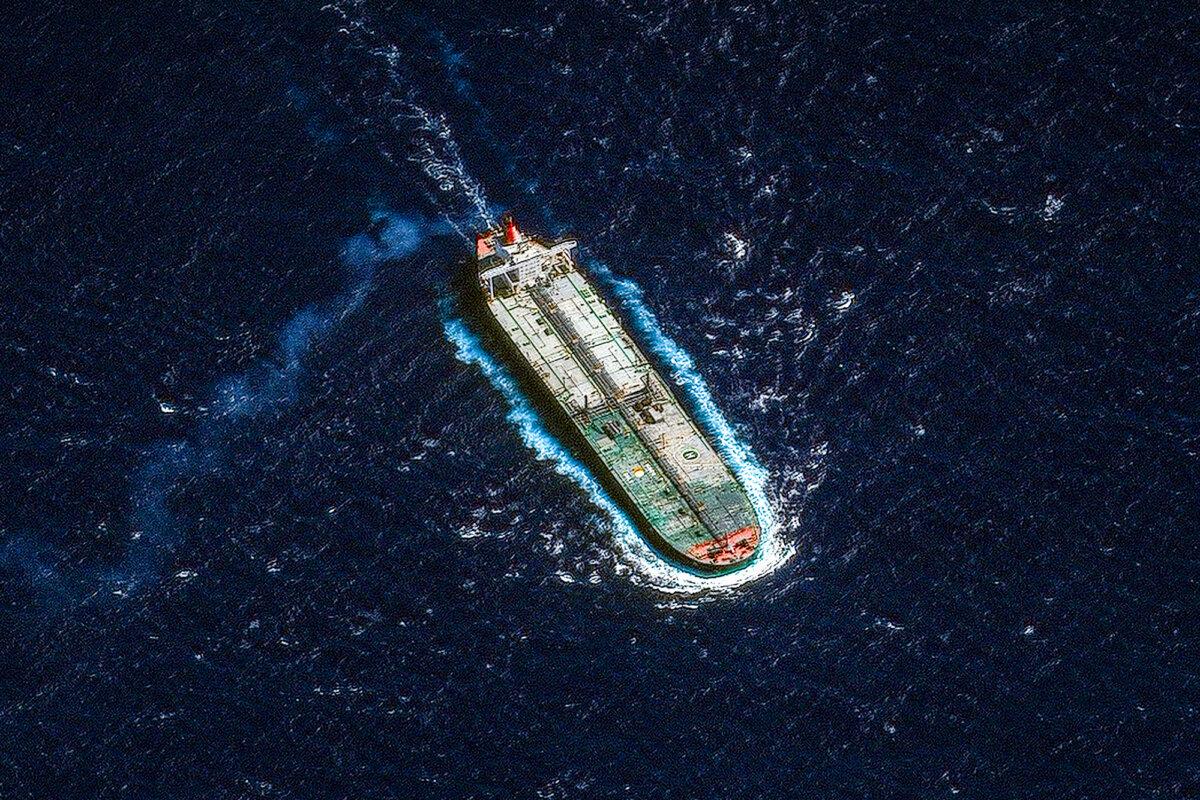
In some months, China absorbed as much as 80 percent of Venezuela’s exports.
End of Cheap Oil for China?
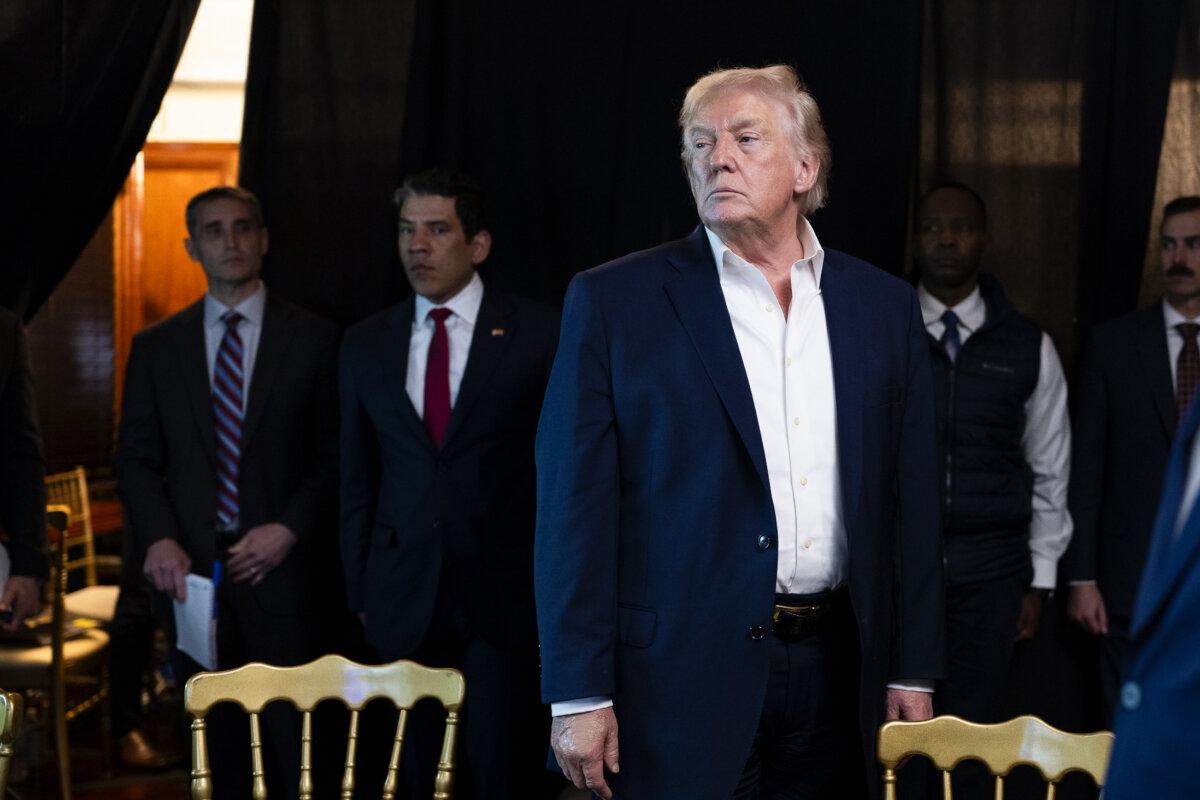
U.S. President Donald Trump said on Jan. 3 that he intends to authorize U.S. energy companies to take over Venezuela’s oil infrastructure.“We’re going to have our very large United States oil companies, the biggest anywhere in the world, go in, spend billions of dollars, fix the badly broken infrastructure, the oil infrastructure, and start making money for the country,” he said.
Davy Jun Huang, a U.S.-based economist and former columnist for China’s state media CNTV, told The Epoch Times that while China’s access to discounted Venezuelan oil may not collapse overnight, it is unlikely to survive intact. Over the next six months to two years, he said, Venezuela’s exports would likely tilt back toward the United States, whose refineries are better suited to processing Venezuelan heavy crude.
.
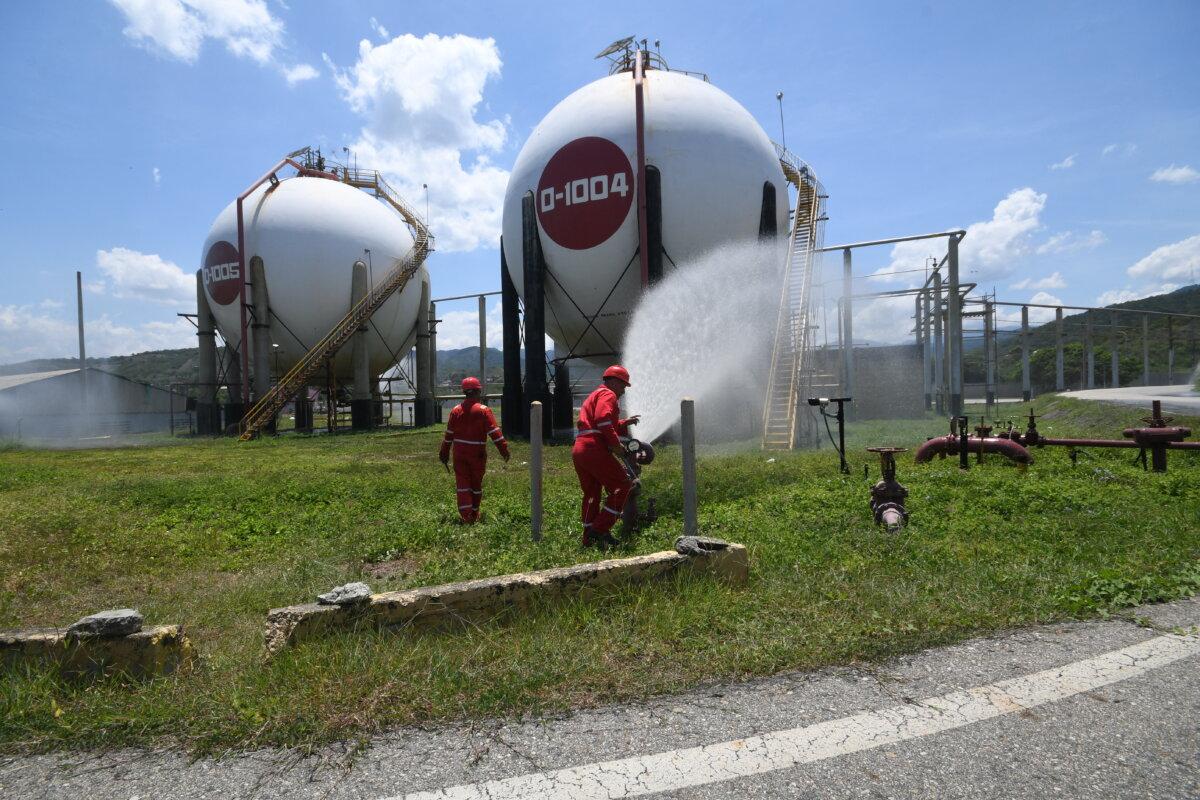
That shift, Huang noted, would directly raise China’s energy costs. While Beijing could substitute Venezuelan oil with Iranian or Middle Eastern heavy oil, those channels are also under increasing pressure.
Su Tzu-yun, director of Taiwan’s Institute for National Defense and Security Research, said the U.S. move follows a broader pattern of shutting down gray-market energy flows that China has relied on, from Iran first, and now Venezuela.
Debt, Future Uncertainty
The fate of China’s loans remains unresolved. Huang said oil-backed debt does not automatically disappear with a change in government. Any new administration seeking sanctions relief and Western investment would likely reexamine opaque contracts signed under Maduro, he said.“Repaying external debt with oil remains feasible, meaning that some of the oil contracts signed with China could still be carried out,” he said. “The key issue is that those agreements would likely face complete renegotiation.”
Sovereignty, Taiwan
Beyond oil, Maduro’s capture has unsettled Beijing for another reason: the erosion of sovereignty as an absolute shield.Taiwanese billionaire businessman Robert Tsao said that Washington’s action reinforces a post-Cold War principle advanced by former U.N. Secretary-General Kofi Annan—that sovereignty is not merely a right, but a responsibility. When regimes abuse power or commit grave wrongdoing, sovereignty cannot be used to shield them from accountability.
.
That principle, Tsao said, directly undermines Beijing’s long-standing attempt to frame Taiwan as an “internal affair” immune from international involvement.
“The U.S. capture of Maduro on Venezuelan soil shattered the CCP’s calculations in one stroke and should make its leaders uneasy,” he said.
Monroe Doctrine 2.0
Last month, the Trump administration released a new National Security Strategy reaffirming the Monroe Doctrine, signaling a renewed U.S. determination to limit foreign adversaries’ influence in the Western Hemisphere.Florencia Huang, associate professor in economics at Tamkang University in Taiwan, told The Epoch Times that the United States has stepped up monitoring of foreign influence in Venezuela. This, she said, could create greater obstacles than before for China as it seeks to deepen cooperation in strategically sensitive areas such as mining rights, 5G telecoms, and port access.
Su sees Venezuela’s upheaval as part of a broader realignment that includes expanded U.S. influence over the Panama Canal and political shifts in Central America.
For Beijing, the cost is rising—not just in barrels of oil or unpaid loans, but in higher investment thresholds, greater contract scrutiny, and diminishing room to operate behind the shield of national sovereignty in an authoritarian regime.
What's Your Reaction?
 Like
0
Like
0
 Dislike
0
Dislike
0
 Love
0
Love
0
 Funny
0
Funny
0
 Wow
0
Wow
0
 Sad
0
Sad
0
 Angry
0
Angry
0













Comments (0)