

The Price of Truth in Hong Kong

.
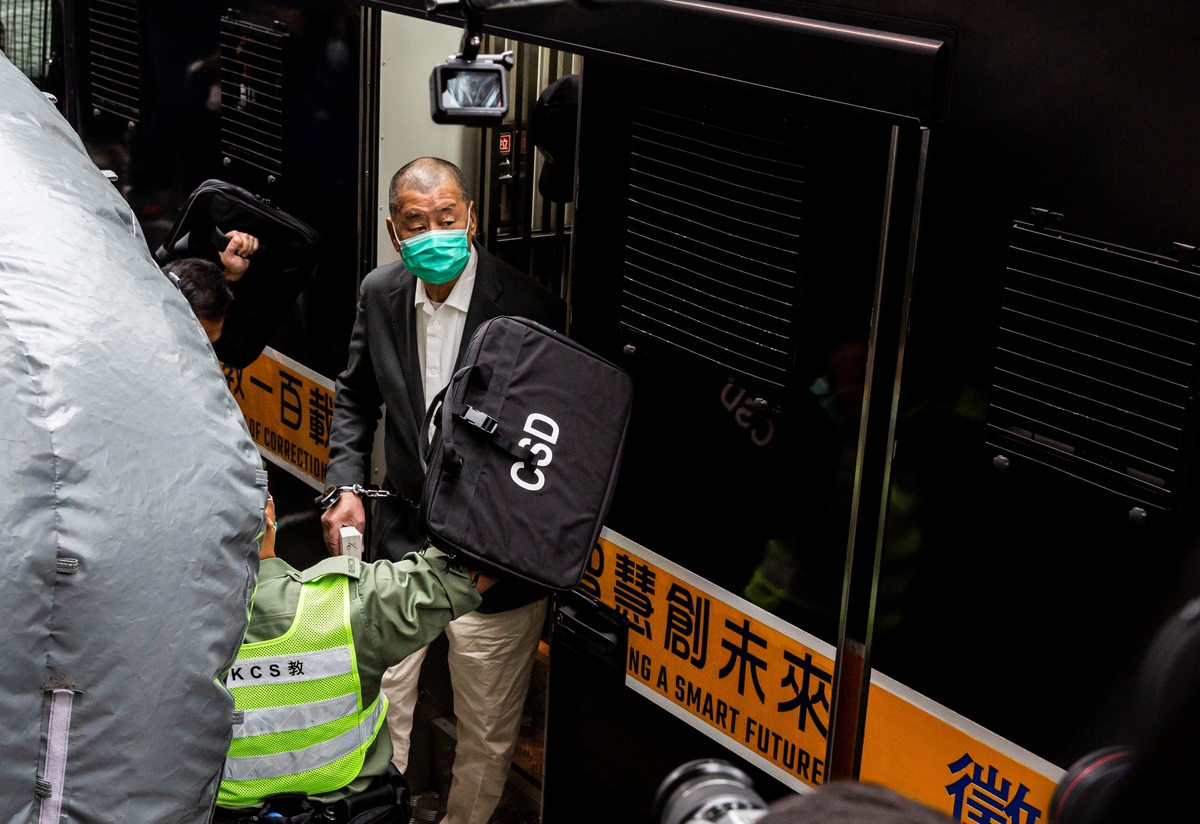
The sentencing of Jimmy Lai to 20 years in prison marks one of the darkest turning points in Hong Kong’s modern history.
Lai, now 78, is the founder of the once-powerful newspaper Apple Daily and a long-time advocate of freedom of speech and democratic values.
For decades, Hong Kong stood apart in Asia as a city where free markets, the rule of law, and civil liberties coexisted. Under the framework of “one country, two systems,” promised by Beijing at the 1997 handover from Britain to China, Hong Kong was meant to retain its independent judiciary, open press, and political freedoms for 50 years.
Today, that promise appears increasingly fragile. Following the massive protests of 2019, Beijing imposed the sweeping Hong Kong National Security Law in mid-2020. The law criminalizes acts deemed to threaten national security, including subversion, secession, and collusion with foreign forces.
Since then, dozens of activists, journalists, and politicians have been arrested. Civil society organizations have dissolved. Independent media outlets have closed. Political opposition has largely disappeared from the city’s formal institutions.
The imprisonment of Lai, therefore, represents more than the punishment of a single individual. It symbolizes the collapse of an entire political era in Hong Kong—an era when dissenting voices could still exist within the public sphere.
Is the Democracy Movement in Hong Kong Dead?
Inside Hong Kong, the democratic movement has largely been dismantled. Most prominent leaders have either been jailed, silenced, or forced into exile. Electoral rules have been redesigned so that only candidates deemed “patriots” may run for office. Many civic organizations have dissolved under political pressure.Yet history teaches us that political movements rarely disappear completely. Instead, they evolve or migrate. In the case of Hong Kong, much of the democratic movement has shifted overseas. Diaspora communities in cities such as London, Toronto, Vancouver, Taipei, and Washington continue to advocate for Hong Kong’s freedoms through media work, political lobbying, and international forums.
Lai himself has become a powerful symbol of this struggle. As a successful entrepreneur, he had both the resources and opportunity to leave Hong Kong years ago. Many friends urged him to do so. He refused. Instead, he remained in the city he loved, fully aware of the risks.
When a Hong Kong Publicly Listed Company Can Be Shut Down
For investors and entrepreneurs, Hong Kong’s political transformation has also introduced a new layer of uncertainty. Perhaps the most striking example is the fate of Next Digital, the media group founded and majority-owned by Lai.Next Digital was once a publicly listed company in Hong Kong, traded on the Hong Kong Stock Exchange. Its flagship publication was Apple Daily, one of the most widely read and influential newspapers in the city.
Apple Daily stood out for its bold investigative journalism and outspoken editorial stance. For many years, it served as a prominent voice defending democratic values and holding authorities accountable. But the situation changed dramatically in 2021. Authorities froze the assets of Next Digital using powers derived from the National Security Law. Once the company’s bank accounts were frozen, it could no longer pay employees, suppliers, or operational expenses. Within days, Apple Daily was forced to shut down. The company soon collapsed and was eventually delisted from the stock exchange.
The implications were profound. For decades, Hong Kong’s reputation as an international financial center rested on the belief that business and politics were separate spheres. The fall of Next Digital challenges that belief.
The legal powers introduced under the National Security Law allow authorities to freeze assets connected to alleged national security offenses. In practice, this means that political considerations can now directly affect the survival of businesses operating in the city. For entrepreneurs who care deeply about democracy, free speech, and independent journalism, Hong Kong may no longer be the ideal place to build certain types of enterprises.
Many entrepreneurs and capitalists may instead conclude that it is wiser to establish and list their companies in jurisdictions where freedom of speech enjoys stronger legal protection, particularly the United States. American capital markets remain attractive not only because of their size and liquidity, but also because they operate within a constitutional framework that strongly protects property rights and freedom of expression.
Hong Kong will likely remain an important financial hub, particularly for mainland Chinese companies raising international capital. Yet the Next Digital episode demonstrates that the risk landscape has fundamentally changed.
.
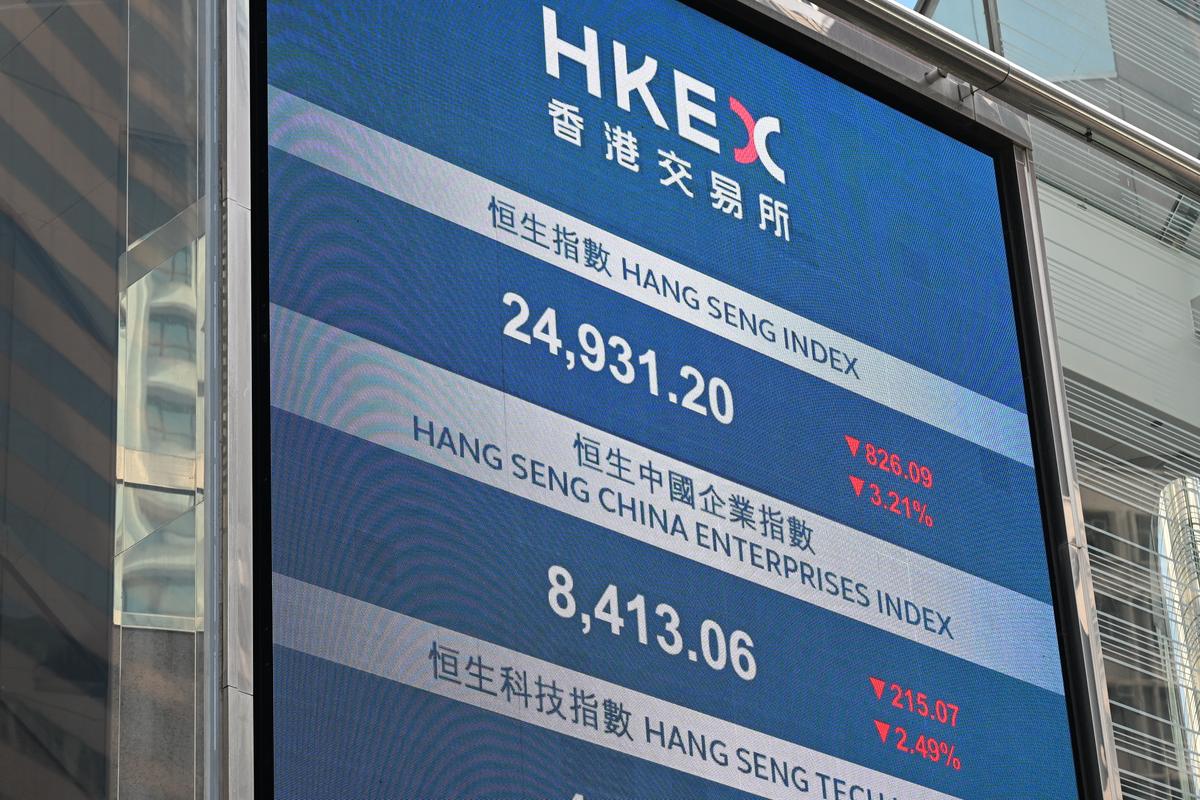
An electronic sign board showing the Hang Seng Index is seen outside the Hong Kong Exchanges and Clearing (HKEX) building in Hong Kong on March 9, 2026. Peter Parks/AFP via Getty Images
.
Diplomacy, Oil, and a Faint Hope
Even in dark moments, international diplomacy can sometimes create unexpected opportunities. Recent geopolitical developments may reshape the strategic landscape between Washington and Beijing. The capture of Venezuela’s Nicolás Maduro and the military weakening of Iran—two governments that have maintained close political and economic ties with Beijing—could increase pressure from the United States on China.Both countries have long served as important partners for Beijing, particularly as suppliers of discounted energy. With these relationships disrupted, the balance of leverage between Washington and Beijing may shift. In such circumstances, a state visit by the U.S. president to China could take on new significance.
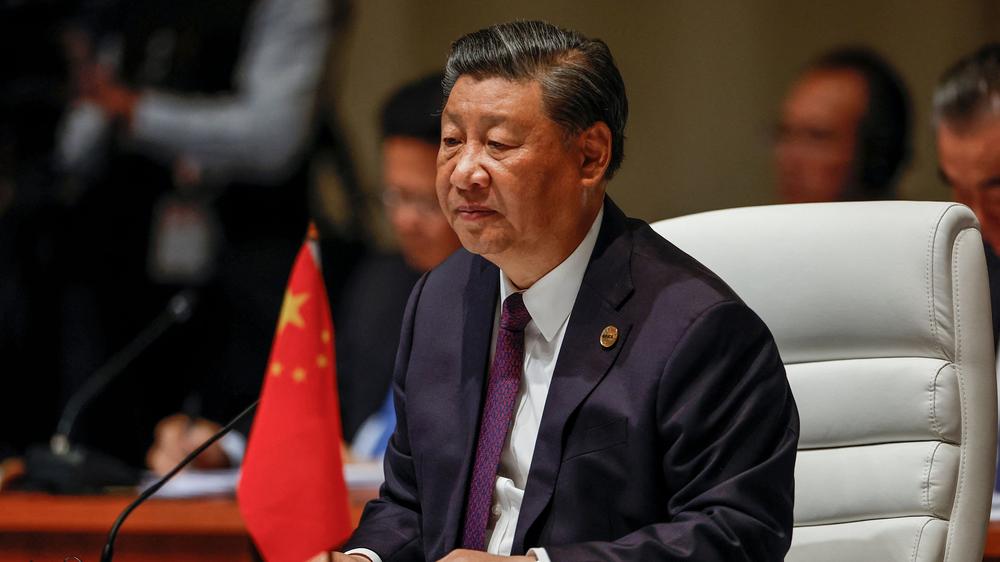
At the time of writing, there remain high hopes that U.S. President Donald Trump will meet with Chinese leader Xi Jinping in Beijing in April. If the meeting materializes, it could provide an opportunity to discuss sensitive issues discreetly behind closed doors.
A City in Shadow
Hong Kong today remains a major financial center with deep capital markets and sophisticated financial infrastructure. Yet the city has entered a new and uncertain chapter. The imprisonment of Lai at the age of 78 casts a long shadow over Hong Kong’s future. His case highlights not only the shrinking space for political dissent but also the new risks facing businesses operating in the city.For investors, Hong Kong still matters. For believers in freedom, however, the city now raises painful questions about the fate of the promises made in 1997. Lai has always framed his struggle not as opposition to China, but as a defense of the principle of “one country, two systems.” That principle was meant to preserve Hong Kong’s freedoms while recognizing Chinese sovereignty.
Yet today, many believe Beijing has failed to keep that promise. As the years pass, the world watches and waits. The hope among many supporters is simple: that Lai will one day walk free—and that he will not die as a martyr. For if one of the most steadfast defenders of “one country, two systems” were to perish in prison, it would mark not only the loss of a courageous man, but also the tragic burial of the very promise that once defined Hong Kong.
What's Your Reaction?
 Like
0
Like
0
 Dislike
0
Dislike
0
 Love
0
Love
0
 Funny
0
Funny
0
 Wow
0
Wow
0
 Sad
0
Sad
0
 Angry
0
Angry
0












Comments (0)