

How Takaichi’s Landslide Win Rattles Beijing on 3 Fronts


.
Japan’s House of Representatives snap election on Feb. 8 delivered a stunning victory for Sanae Takaichi. Her Liberal Democratic Party (LDP) alone won 316 of 465 seats—a postwar first for a single party to hold a two-thirds majority. This marks a turning point for Takaichi’s career and Japanese politics.
Takaichi’s Clout in the LDP and Japanese Politics Skyrockets
The 2023 political fundraising scandal hammered the LDP, leaving it short of majorities in both houses. Takaichi gambled big on this snap election. As a non-factional prime minister, she traveled 12,480 kilometers (about 7,754 miles) in 12 days, stumping for colleagues and turning her high approval ratings into seats. The LDP surged from 198 to 316 seats, a gain of 118.This places Takaichi at the peak of her power within the LDP, enabling her to bolster prime ministerial authority, advance her agenda, and even overhaul the party—potentially reshaping Japan’s political landscape for good.
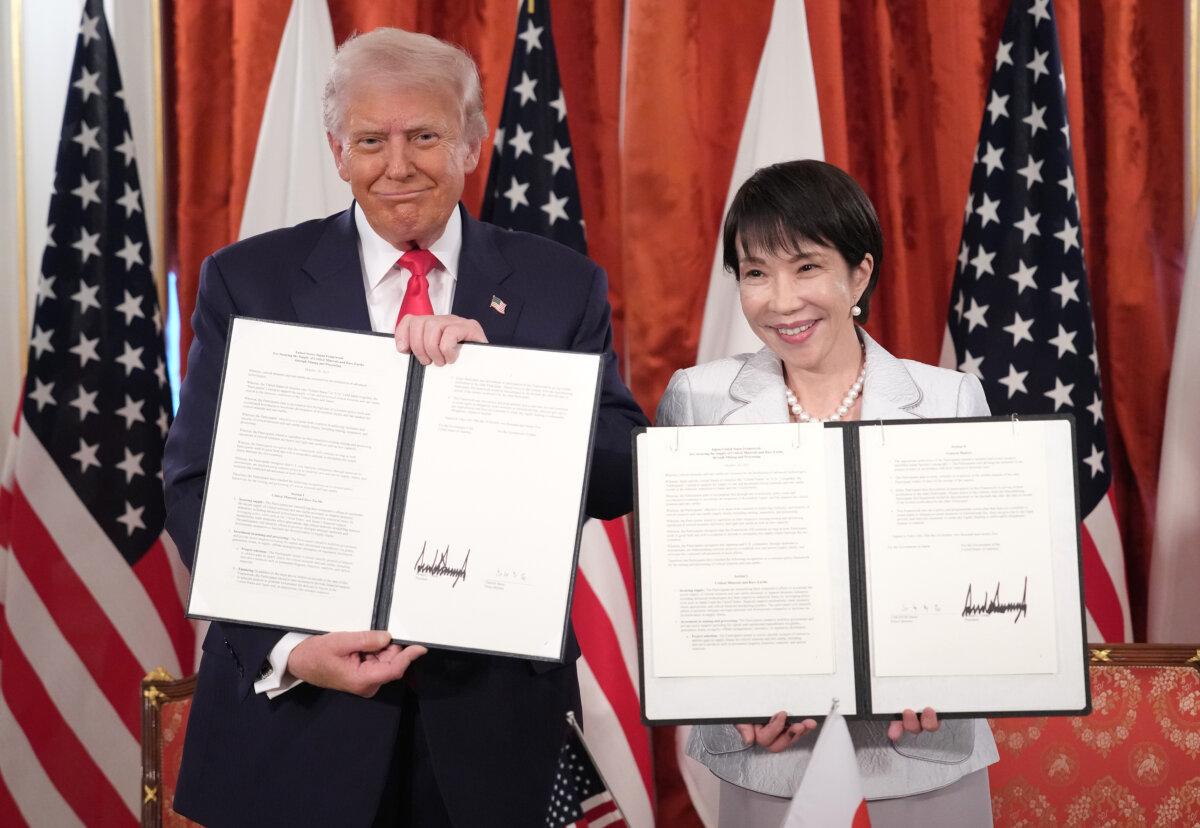
Takaichi and Trump’s Power Duo
The U.S.–Japan alliance is the bedrock of Japan’s security and diplomacy. Shinzo Abe, the now-deceased former Japanese prime minister, forged a close relationship with Donald Trump and secured strong U.S. presidential support for his pro-Taiwan, anti-Chinese Communist Party (CCP) stance after his 2016 win.When Beijing pressured Takaichi about her remarks during a Nov. 7 parliamentary session—where she said a Chinese attack on Taiwan could pose a “survival-threatening” risk for Japan—Trump contacted Xi on Nov. 24 and then called her. Takaichi told The Japan Times the following day: “President Trump stated that he and I are extremely close friends and that he would like me to call him anytime.”
Ahead of the Feb. 8 election, Trump posted on Truth Social: “It is my Honor to give a Complete and Total Endorsement of her, and what her highly respected Coalition is representing.”
Trump congratulated Takaichi on her victory, posting on social media: “I wish you Great Success in passing your Conservative, Peace Through Strength Agenda. The wonderful people of Japan, who voted with such enthusiasm, will always have my strong support.”
Trump’s term runs until Jan. 20, 2029. Unless unexpected events occur, Takaichi is likely to maintain her position through the 2028 upper house election—at least more than two years of her and Trump deepening the alliance and countering CCP threats to Taiwan. Perhaps the days are gone when Japanese leaders changed so often that Washington stopped taking any prime minister seriously because their tenure was so short. Having Takaichi in office for the long term helps stabilize the situation.
.
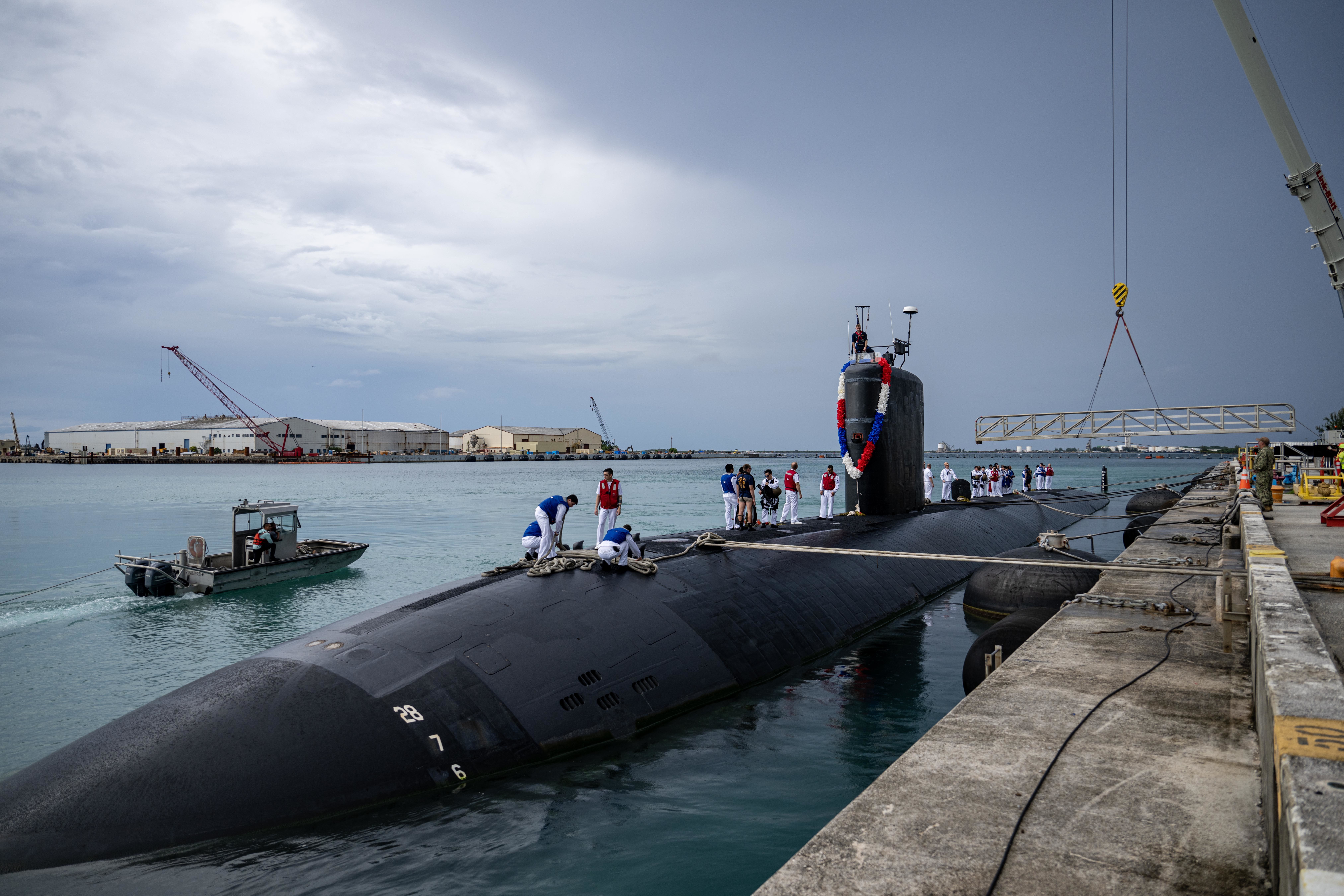
Japan Will Ramp Up Military Power, Teaming With US to Deter CCP
Postwar Japan reinvented itself, becoming the world’s second-largest economy by 1968, a position it held until China overtook it in 2010. Now China boasts that its GDP is over four times Japan’s.As to China’s military strength, China expert Akio Yaita estimates that China’s military budget is at least four times bigger than that of Japan, and the Stockholm International Peace Research Institute claims that China has the world’s third-largest nuclear arsenal. China touts that it has three carriers and 3,000 missiles as of 2025. The CCP is seen as a major threat to peace in the Indo-Pacific.
On July 30, 2021, Xi introduced the “Centenary Goal of Army Building by 2027.” The United States and other Western countries view this as the CCP’s plan to develop the capability to seize Taiwan by that year. In March 2021, U.S. Adm. Phil Davidson warned Congress that China was building a military capable of rivaling the United States and could target Taiwan in 2027. This prompted Washington to revamp its Indo-Pacific defense strategies to enhance anti-invasion preparedness.
As a U.S. military ally, Japan cannot remain on the sidelines in a conflict over Taiwan. In December 2022, Fumio Kishida’s government approved three major national security measures: calling China “an unprecedented and largest strategic challenge”; doubling defense expenditure to 2 percent of GDP by 2027 (matching NATO standards); and acquiring counterstrike capabilities.
With the CCP’s Taiwan blockade drills now routine and U.S.–China military jostling intensifying, Takaichi ordered another security document revamp right after taking office in October. The Japan News reported on Jan. 11, citing government sources, that the government intends to include strengthening defense capabilities in the Pacific Ocean as a key element in the three security documents scheduled for revision this year.
She argued that in a security crisis, rigid adherence to the “no introduction” principle could be unrealistic if Japan expects the United States to provide credible extended nuclear deterrence.
This election gives Takaichi a mandate; Japan’s military speedup is a reality Beijing must face.Conclusion
The 21st century has seen two “long-term cabinets” in Japan: Koizumi Junichiro (2001–2006) and Shinzo Abe (2006–2007, and 2012–2020). Takaichi could create a third. In a post-win interview, she said: “I will stake my position as prime minister on the election results.”The prime minister also stated after the election: “Strengthening and enriching the Japanese archipelago marks the beginning of a very heavy responsibility. I feel a renewed sense of resolve.”
Expect big changes under Takaichi. Beijing’s panic is unmistakable and cannot be concealed.
What's Your Reaction?
 Like
0
Like
0
 Dislike
0
Dislike
0
 Love
0
Love
0
 Funny
0
Funny
0
 Wow
0
Wow
0
 Sad
0
Sad
0
 Angry
0
Angry
0













Comments (0)