

The United States Needs Stronger Federal Laws to Counter Beijing’s Subnational Influence
The United States Needs Stronger Federal Laws to Counter Beijing’s Subnational Influence - Summary: Several of the nation’s largest state economies lack legal safeguards against influence operations linked to the Chinese Communist Party (CCP). Because the CCP can engage directly with state and local governments, gaps at the state level create vulnerabilities that national legislation could address.

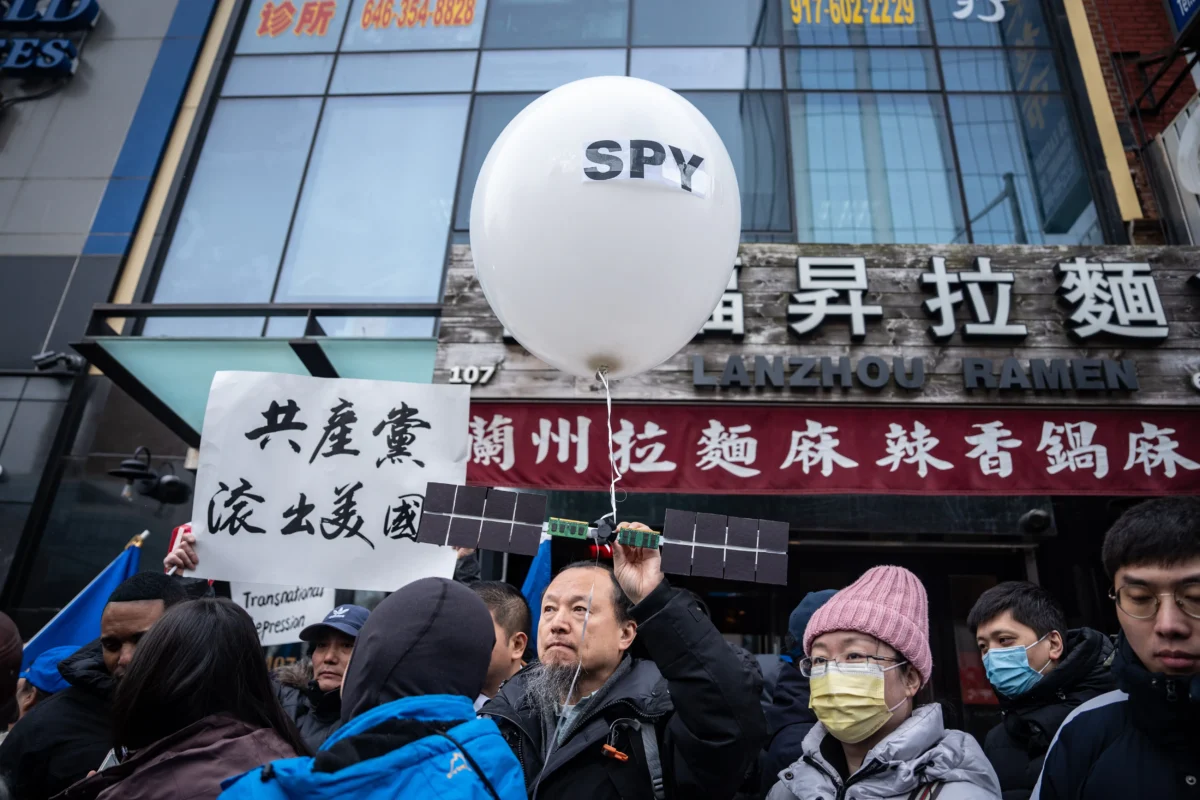
.
Why state-level gaps matter
State and local governments are attractive targets for foreign influence because they control procurement, education, research partnerships, and local diplomacy. When major states do not adopt protective measures, adversarial actors can exploit those openings to gain economic leverage, access to sensitive technologies, or political influence that undermines a coherent national posture.
Where the exposure is greatest
California. As the largest U.S. state economy and a hub for advanced technology, California is a prime target for influence efforts that seek access to AI, semiconductor, and robotics expertise. High-profile exchanges between state officials and Chinese counterparts have raised concerns about whether state-level agreements and memoranda of understanding can be used to bypass federal oversight.
New York. With deep financial ties to global markets, New York’s connections to Chinese business networks create channels through which influence can flow into state institutions and policymaking. Allegations of improper influence involving state officials and regime-linked organizations have highlighted the risk of covert interference in state affairs.
Illinois. Longstanding trade relationships and investment links have made parts of Illinois’ economy dependent on exports to China. That economic interdependence can translate into political pressure on local leaders and complicate efforts to adopt restrictive measures.
Common tactics and pressure points
- Economic leverage: Preferential access to markets, investment, and supply chains can be used to reward cooperative actors and punish dissenters.
- Institutional engagement: MOUs, sister-city programs, and trade offices create formal channels that can be exploited for influence.
- Community networks: Hometown associations and diaspora organizations can be mobilized to shape local politics and public opinion.
- Transnational repression: Covert operations aimed at silencing critics abroad have been documented and can involve local-level actors.
Legal patchwork and the need for federal standards
Research identifying a range of state-level countermeasures—covering areas such as data protection, divestment, education safeguards, procurement rules, and restrictions on foreign land purchases—shows that many states have adopted at least some protections. However, several of the country’s largest state economies have not enacted these measures, leaving national security gaps that cross state lines. A consistent federal framework would reduce the ability of foreign actors to “shop” for permissive jurisdictions and would ensure uniform protections for sensitive technologies and critical infrastructure.
Policy options for Congress
- Uniform procurement and investment rules to prevent sensitive technologies and critical infrastructure from being transferred through state contracts.
- National standards for research and data protection to safeguard genomic, AI, and other high-value datasets.
- Transparency requirements for subnational agreements with foreign governments, including public disclosure of MOUs and trade-office activities.
- Restrictions on foreign land purchases near sensitive sites and clearer screening mechanisms for foreign investments that affect security.
- Support for state capacity-building so local governments can identify and resist malign influence without sacrificing legitimate economic engagement.
Conclusion
The ability of foreign governments to engage directly with state and local actors creates a strategic vulnerability that cannot be fully addressed by a patchwork of state laws. A national legislative response—focused on transparency, uniform standards, and protection of critical technologies and data—would reduce the risk that subnational engagements undermine broader U.S. security and policy objectives.
Sources
Primary reporting and analysis referenced: Anders Corr, The Epoch Times, “The US Needs Tougher National Laws Against CCP Influence.”
What's Your Reaction?
 Like
0
Like
0
 Dislike
0
Dislike
0
 Love
0
Love
0
 Funny
0
Funny
0
 Wow
0
Wow
0
 Sad
0
Sad
0
 Angry
0
Angry
0














Comments (0)