

How a 70-Year-Old Woman Overcomes Chronic UTI

.
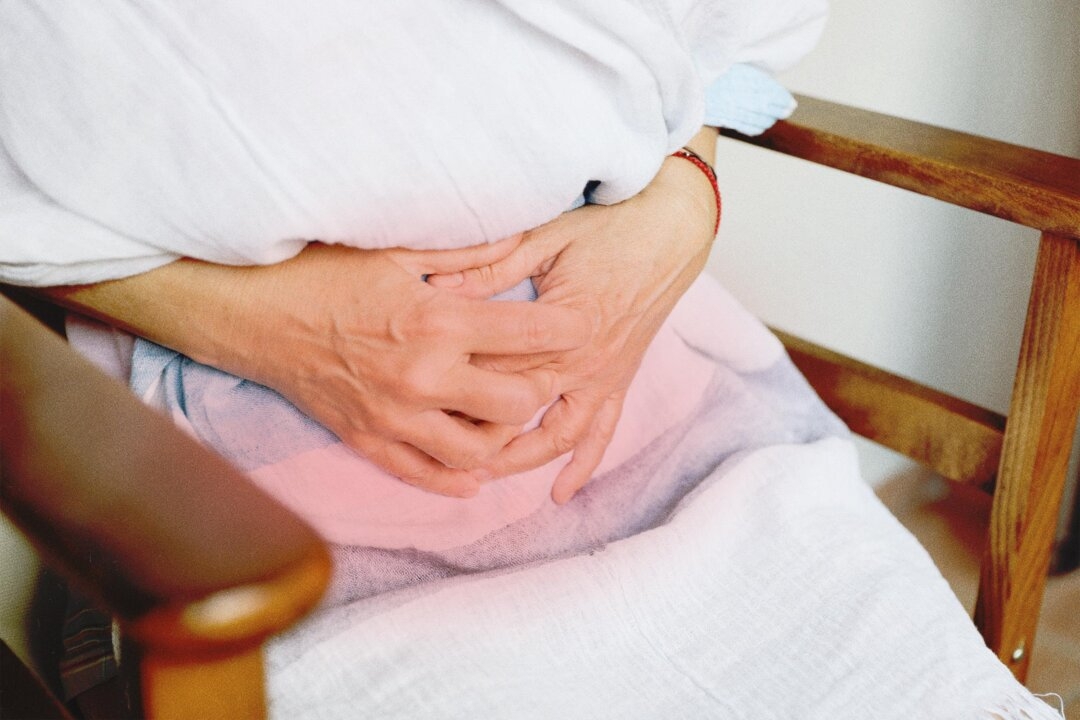
A 70-year-old woman had recurrent urinary tract infections (UTIs) with primary symptoms of urethral irritation, frequent urination, and difficulty urinating. Although antibiotics provided temporary relief, symptoms rapidly returned after discontinuation, prompting her to seek traditional Chinese medicine (TCM) as a long-term solution.
Considering the patient’s age and overall health condition, Japanese TCM practitioner Ritsugaku Ken applied acupuncture treatment. After four sessions, the patient’s symptoms significantly improved, and a urine test showed no signs of infection, Ken told The Epoch Times.
Accupunture
TCM holds that the human body contains a system of “meridians”—channels through which vital energy, or “qi,” flows. Specific points along these meridians, known as acupoints, are believed to correspond to various organs and bodily functions. By stimulating these acupoints through approaches such as acupuncture or massage, TCM aims to restore balance and treat related health conditions.For his patient, Ken used targeted acupoints such as Broken Sequence (“Lieque”), Central Pole (“Zhongji”), and Great Surge (“Taichong”), using intradermal needles that were replaced weekly.
.

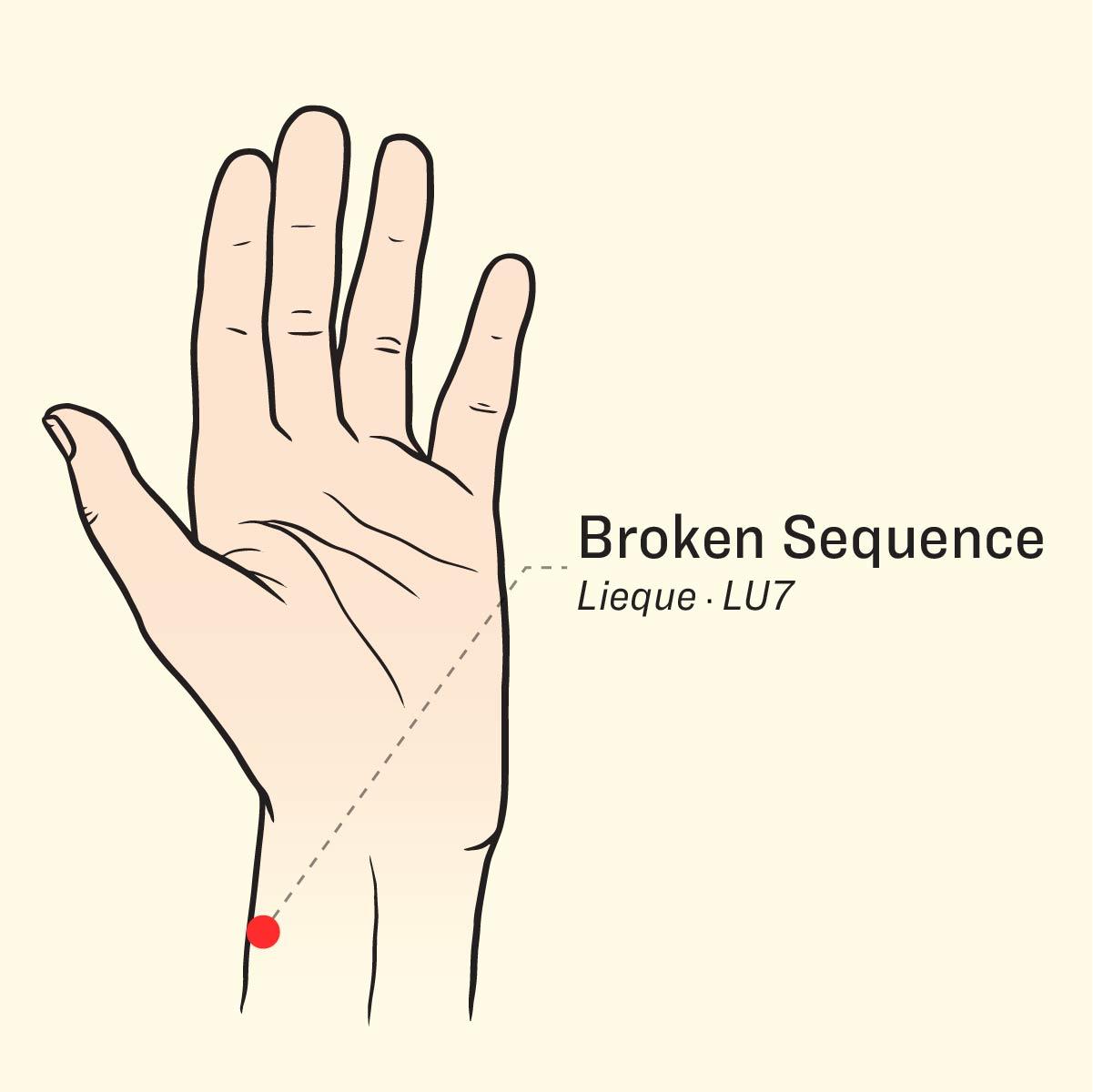
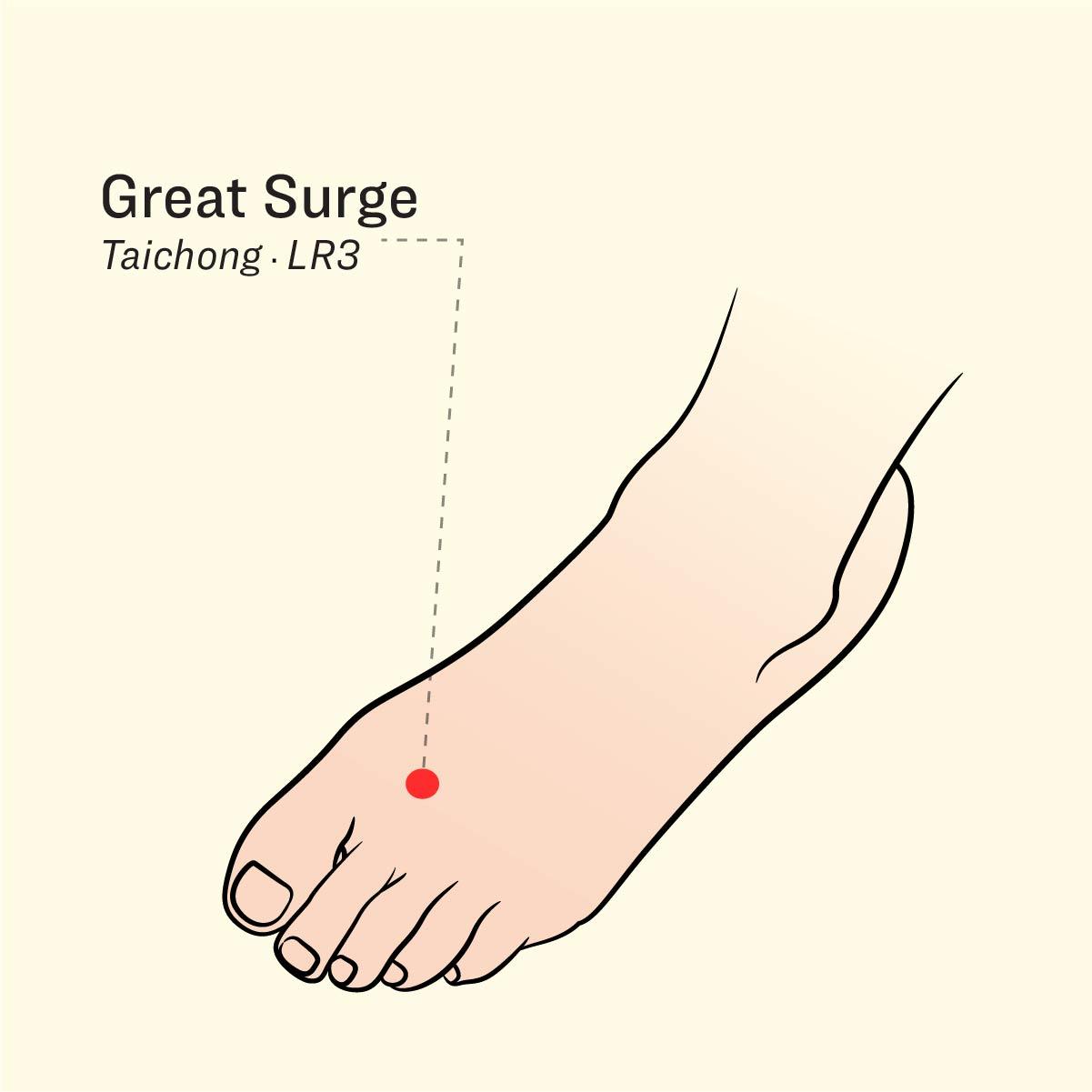
Illustration by The Epoch Times, Shutterstock
.
Herbal Support: The Power of ‘Zhu Ling Tang’
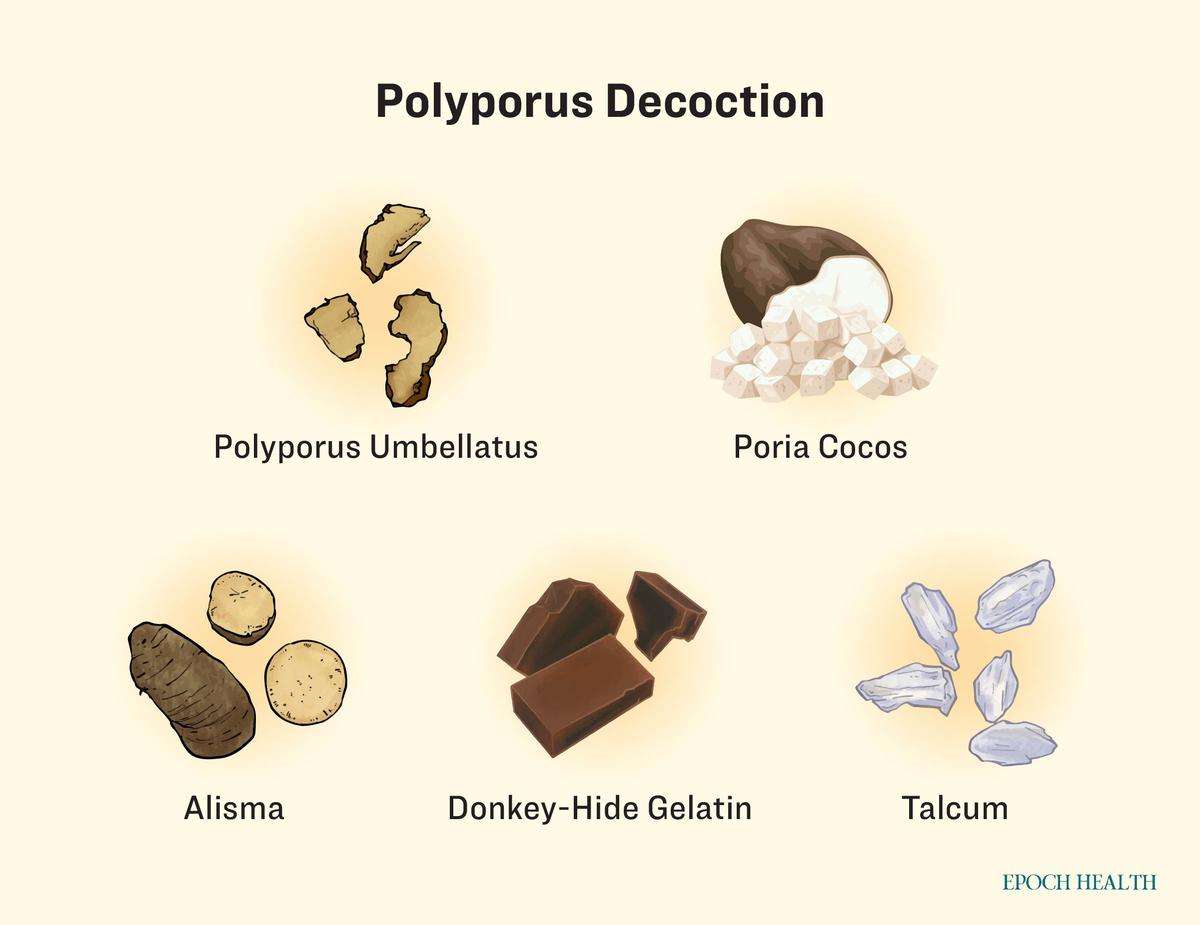
In addition to acupuncture, Ken complemented his treatment with zhu ling tang, or polyporus decoction, which is primarily used to treat urinary system disorders, such as UTIs.Zhu ling tang consists of five medicinal ingredients: “zhu ling” (Polyporus umbellatus), “fu ling” (poria cocos), “ze xie” (alisma), “ejiao” (donkey-hide gelatin), and “hua shi” (talcum).
.
Additional Ways to Speed Up Recovery and Prevent Relapse
While acupuncture and herbs can form the foundation of a TCM-based approach, other integrative therapies may enhance outcomes—especially in the acute phase of infection or as preventive care.1. Sitz Bath Therapy
Shu Rong, the director of Doctor Rong’s Traditional Chinese Medicine Clinic in the UK, told The Epoch Times that UTIs are highly treatable with supportive therapies during the acute phase. Sitz baths are a simple, noninvasive home treatment that involves soaking the lower body in warm, salted water, serving as an effective emergency measure in the early stages of infection.
- Clean the external genital area.
- Fill a clean basin with warm water and add 1/2 spoonful of salt.
- Sit in the bath for 20 minutes after the salt dissolves, drinking plenty of water to help flush out harmful substances.
2. Dietary Therapy
Diet therapy is another essential pillar of TCM. Rong recommends adjusting the diet according to the stage of infection.Recipe: Red Bean and Duck Soup
Rich in flavor and rooted in TCM, this nourishing red bean and duck soup supports kidney and spleen health while promoting long-term recovery from urinary tract infections.40 grams red beans
1/3 duck
5 slices ginger
5 grams salt
- Soak the red beans in clean water for 20 minutes.
- Cut the duck into pieces and set aside.
- Place the duck pieces in a pot of cold water and bring to a boil over high heat. Once foam rises to the surface, skim off and discard.
- Add ginger slices, reduce heat to low, and simmer for 2 hours.
- Season with salt to taste before serving.
Daily Prevention Tips
To avoid recurrence, prevention is key. Dr. Hsin Cheng Chu, director of Taiwan’s Jingrui Urology Clinic, told The Epoch Times that while it’s impossible to avoid infections altogether, good lifestyle habits can effectively reduce the risk. He offered the following tips for prevention:- Stay well-hydrated: Adequate hydration dilutes urine and helps flush out bacteria, making it one of the simplest and most effective ways to support urinary tract health. Drink at least eight glasses of water daily to encourage frequent urination and maintain a clear urinary tract.
- Supplement with probiotics: After menopause, women’s vaginal pH can become imbalanced, and probiotics help maintain a healthy microbial balance to prevent UTIs. Obtain probiotics from yogurt or fermented milk, or take probiotic supplements.
- Maintain proper hygiene: Improper cleaning of the genital area can increase the risk of infection. Use mild, nonirritating cleansing products and always wipe from front to back after using the toilet to minimize the chance of bacteria entering the urethra.
- Opt for breathable underwear: Wearing breathable cotton underwear helps keep the genital area dry, thereby reducing the risk of bacterial growth. Avoid tight or nonbreathable fabrics, as they can trap moisture and heat, leading to discomfort and a higher risk of infection.
What's Your Reaction?
 Like
0
Like
0
 Dislike
0
Dislike
0
 Love
0
Love
0
 Funny
0
Funny
0
 Wow
0
Wow
0
 Sad
0
Sad
0
 Angry
0
Angry
0













Comments (0)