

EU Looks to Partner With US, G7 to Counter China’s Rare Earth Restrictions


.
The European Union is looking to work with the United States and G7 nations to counter China’s tightening of rare earth export controls, Europe’s trade ministers said on Oct. 14.
The ministers made the comments ahead of a meeting of EU trade ministers and officials.
On Oct. 9, China announced stricter export restrictions for rare earth minerals, requiring approval to export products that contain more than 0.1 percent of the elements.
In addition, foreign companies producing rare earth and related magnets on China’s control list will now also need an export license if material in the final product was sourced from China.
Danish Foreign Minister Lars Rasmussen said the EU needed to flex its muscles as “the world’s biggest trading bloc.”
He said that the EU and the United States should coordinate their efforts.
“If we stick together, we can ... better pressure on China to act in a fair way,” Rasmussen said.
European Trade Commissioner Maros Sefcovic said this “dramatic expansion of scope” by China is aggravating the situation.
Trade ministers from the bloc see China’s export controls on rare earths as a “critical concern“ and called Beijing’s export controls “unjustified and causing a lot of problems for European companies and industry.”
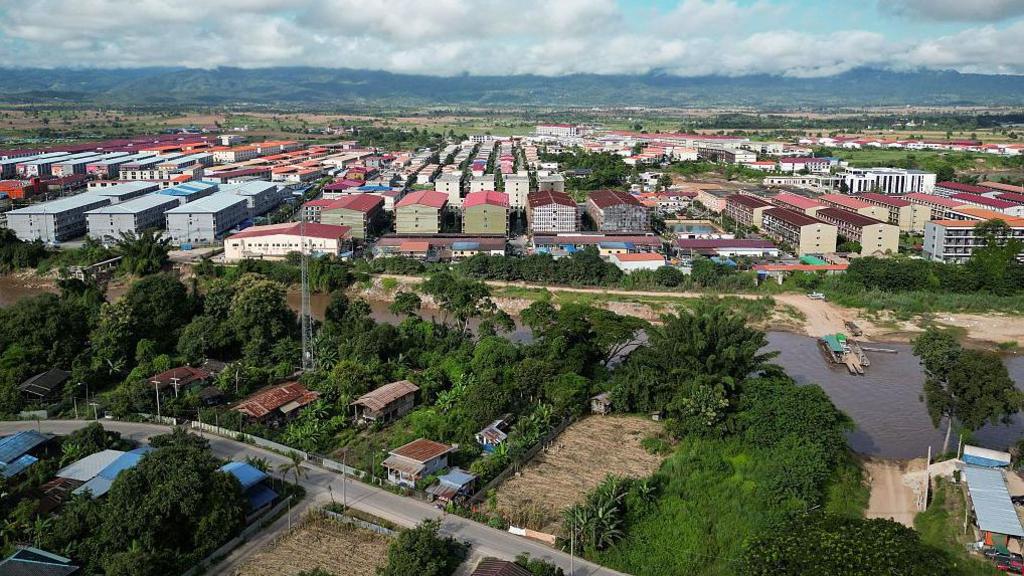
More than 90 percent of rare earth metals and magnets are produced in China.
The 17 rare earths are vital materials for many industries, including electric vehicles, consumer electronics, and defense technologies.
Sefcovic said Beijing’s actions have pushed the EU to accelerate efforts to reduce its dependency on China as quickly as possible.
He said there are projects among G7 nations to accelerate rare earth production, and he hopes to have a video call with G7 partners soon.
The G7 nations include the United States, Canada, Germany, France, Italy, the United Kingdom, and Japan.
Sefcovic said he will request a meeting with his Chinese counterpart next week to discuss Europe’s concerns.
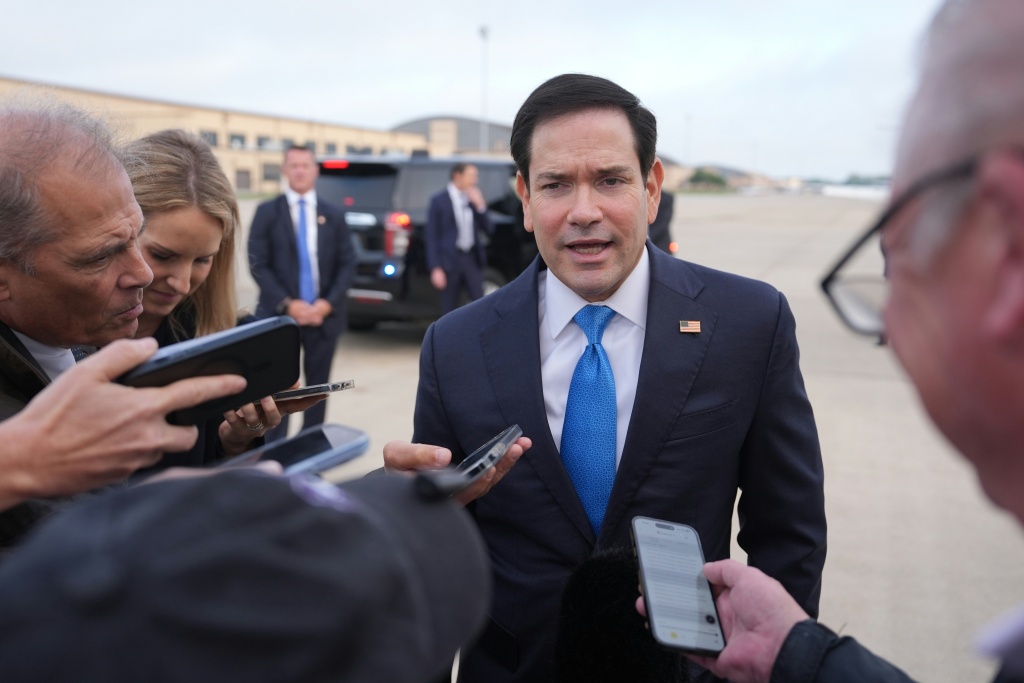
Sefcovic said he raised the matter with U.S. Commerce Secretary Howard Lutnick, and that the G7 would be discussing the matter on Oct. 15, and “that it would be advisable after this first discussion also to have a G7 video call pretty soon.”
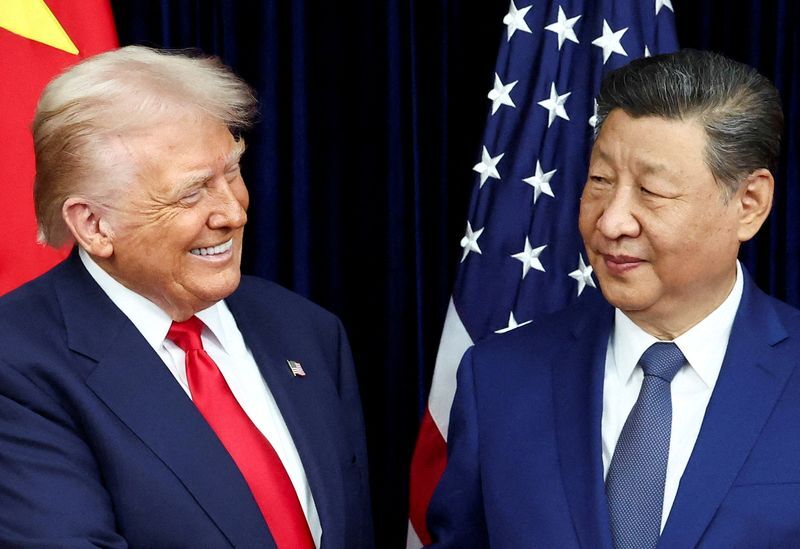
After Beijing announced tighter controls on rare earths, U.S. President Donald Trump threatened an additional 100 percent tariff on Chinese goods.
As China has a near monopoly on rare earth mining and refining, the White House is pushing to get domestic mining operations online, fast-tracking permits for critical mineral projects and subsidizing U.S. producers with hundreds of millions of dollars.
What's Your Reaction?
 Like
0
Like
0
 Dislike
0
Dislike
0
 Love
0
Love
0
 Funny
0
Funny
0
 Wow
0
Wow
0
 Sad
0
Sad
0
 Angry
0
Angry
0















Comments (0)