Chinese Exports to US Plunged 33 Percent in August

Chinese Exports to US Plunged 33 Percent in August

.

China’s exports grew at the slowest pace in six months in August, as outbound shipments to the United States continued to decline, despite a tariff truce between the world’s two largest economies.

Chinese shipments to the United States fell by 33 percent in August from a year earlier, according to The Epoch Times’ analysis of customs data released on Sept. 8.

It followed a 21.7 percent decline in July and represented the fifth consecutive month that U.S.-bound shipments recorded a double-digit drop.

The downturn in U.S.-bound exports was offset by a surge in shipments to other regions across the world, including Southeast Asia and the European Union.

Overall, China’s exports rose by 4.4 percent in August in dollar terms from a year earlier, according to customs data. It missed a 5 percent increase expected by economists polled by Reuters, and was the slowest growth since the January-February period.

“Exports were broadly unchanged last month,” said Zichun Huang, China economist at Capital Economics. She attributed the slowdown in headline export growth to a high comparison base from the previous year.

“But with the temporary boost from the US–China trade truce fading, and the US raising tariffs on shipments rerouted via other countries, exports are likely to come under pressure in the near term,” Huang said in a note on Sept. 8.
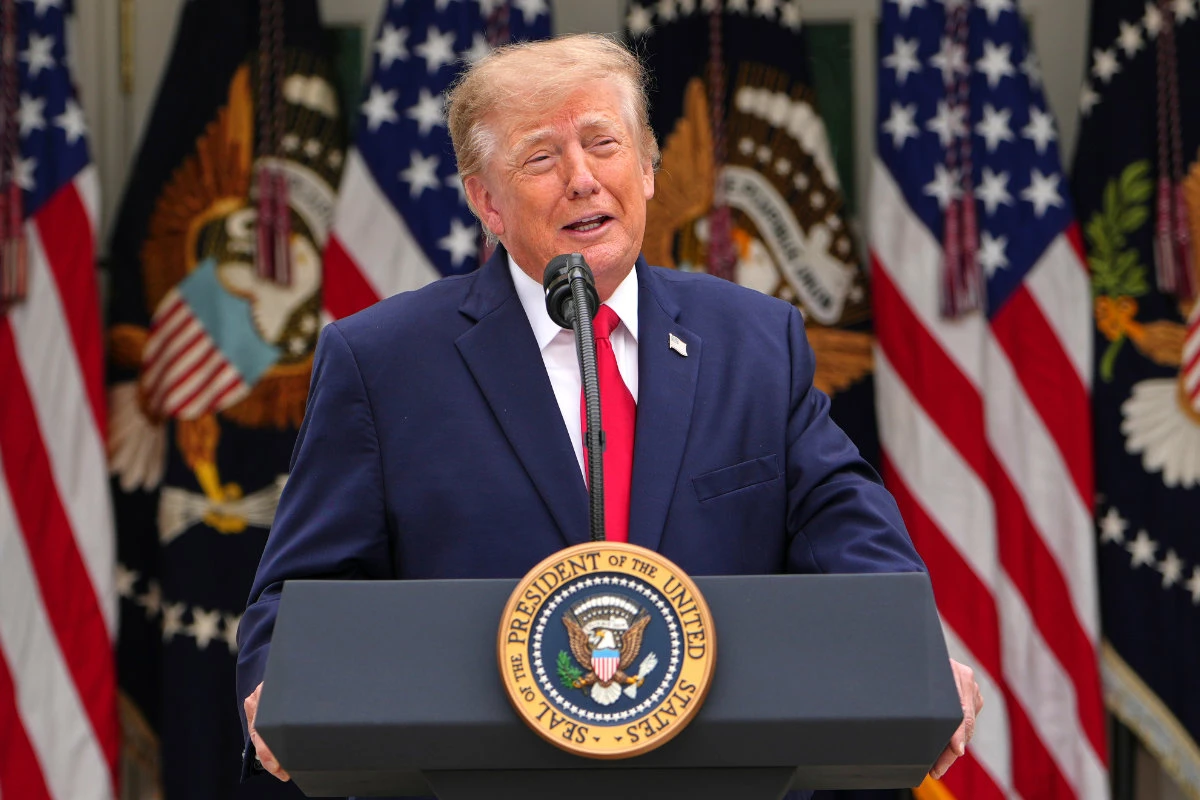
U.S. President Donald Trump announced on Aug. 11 that he had extended the tariff truce with China for another 90 days, setting the stage for further trade negotiations.

China’s commerce ministry also released several statements the following day, confirming that it had agreed to suspend higher tariffs on U.S. products and other punitive measures against American companies announced earlier this year. At present, China’s tariffs on U.S. imports stand at 10 percent.

China’s shipments are subject to a 30 percent U.S. tariff. That includes a 20 percent tariff related to China’s manufacturing of precursor chemicals used in fentanyl, alongside a 10 percent baseline tariff on nearly all U.S. trading partners, aimed at narrowing the trade deficits.
.
They are applied on top of the existing 25 percent tariffs imposed during Trump’s first term, in response to the Chinese regime’s unfair trade polices and practices, such as theft of U.S. intellectual property and forced technology transfer.
Trump has urged China to quadruple its purchase of soybeans, suggesting it could help address the massive trade deficit with the United States.
.
In August, China imported 12.28 million tonnes of soybeans, nearly the same as a year earlier but up 5.2 percent from July, data from the General Administration of Customs showed.
.
“The rise in imports was largely driven by an increase in shipments from South America (Brazil & Argentina), to diversify the supply source and reduce reliance on US farm products,” ING economics commodities strategists Warren Patterson and Ewa Manthey said in a note on Sept. 8.

The latest customs data didn’t have a breakdown by country, which is set to be released later this month.

China’s overall imports grew by 1.3 percent in August from the previous year. The figure was weaker than the 3 percent increase expected by economists, and down from a 4.1 percent increase recorded in July.

.
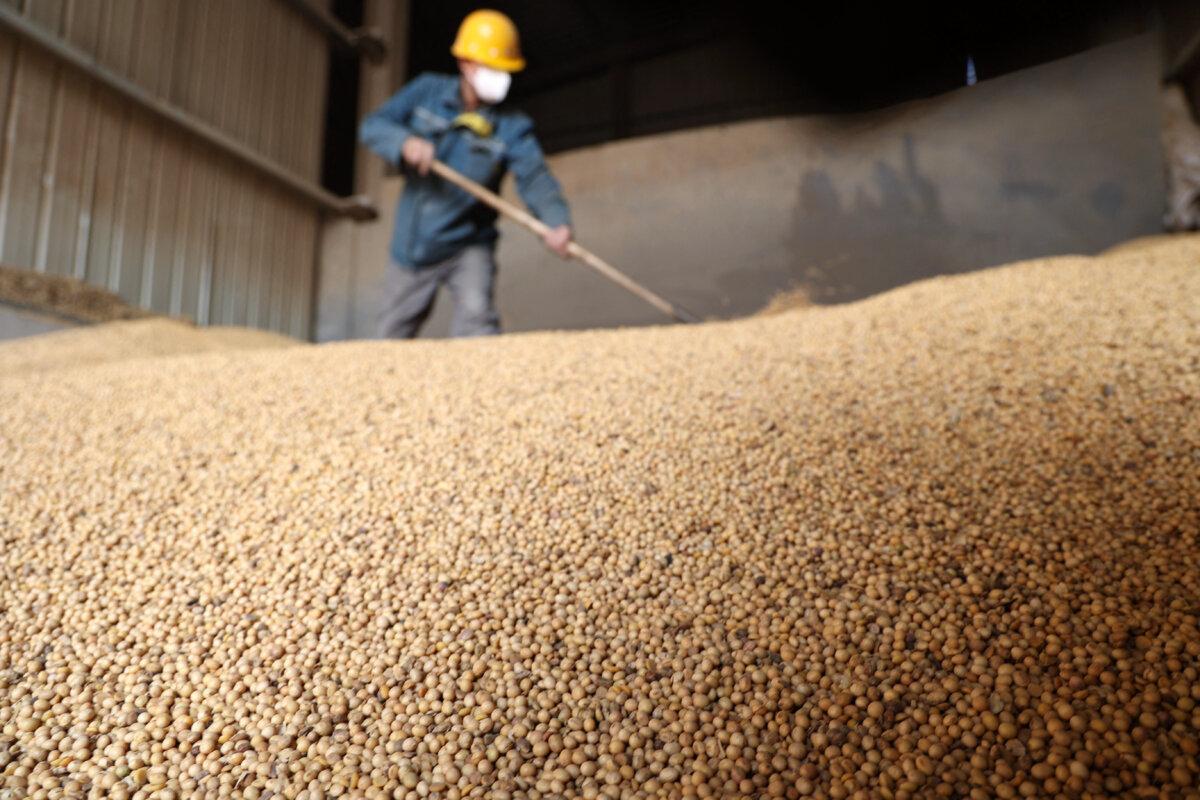
A worker shovels soybeans imported from Brazil at a soybean processing company in Binzhou, in Shandong Province, China, on March 6, 2025. AFP via Getty Images
.

China ended the first eight months with a trade surplus exceeding $785 billion, a 29 percent increase from the same period last year, customs data showed.

In 2024, China’s trade surplus reached a record of almost $1 trillion.

Analysts are monitoring whether Beijing will introduce a policy to mitigate the impact of declining exports and stimulate domestic demand.

China is increasingly relying on exports for economic growth as it battles a prolonged downturn in the housing market. The property crisis has taken a toll, as many middle-class Chinese have poured their entire families’ savings into a new home. That has left Chinese customers reluctant to open their wallets and spend more.

Beijing is also grappling with other challenges, such as high unemployment and local government debt.

China has set an economic growth target of around 5 percent for 2025, the same goal it has pursued for the past two years.

While the regime managed to achieve its official target last year, residents reported a decline in living standards.
Analysts were also skeptical about the reliability of the data.

Gao Shanwen, chief economist at China’s state-owned SDIC Securities, estimated last year that China’s gross domestic product growth may have been overstated by as much as 10 percentage points between 2021 and 2023.

Reuters contributed to this report.
.