

China’s Military Expansion, Support for Russia Entrench Structural Conflict With US: Analysts


.
As Chinese leader Xi Jinping touts stable ties following his call with U.S. President Donald Trump, analysts warn Beijing’s Indo-Pacific aggression and supply chain weaponization expose ambitions fundamentally at odds with the United States and Western democracies.
South China Sea Remains Flashpoint
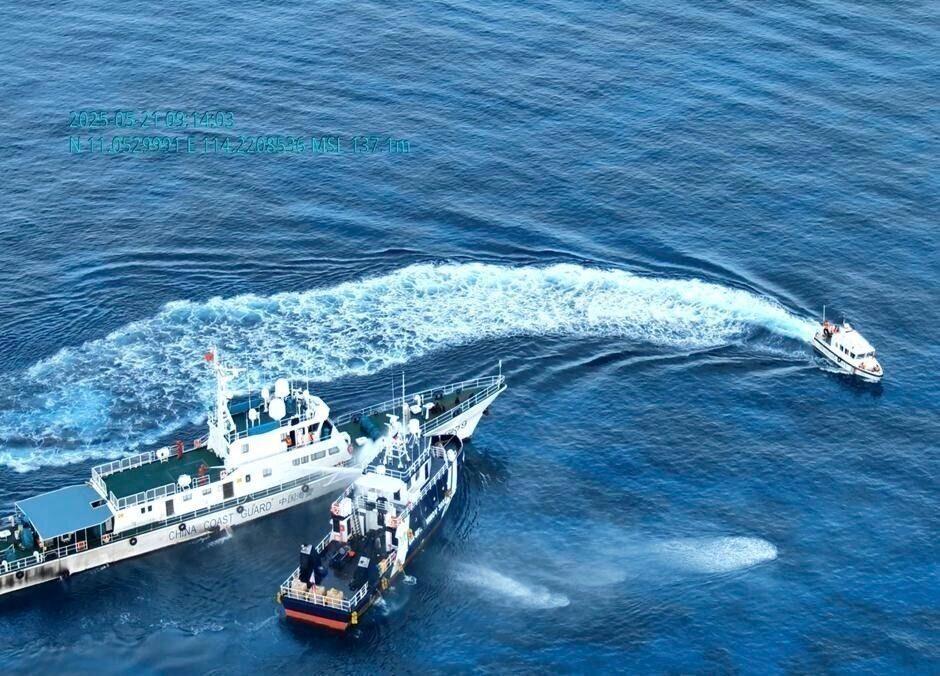
The Philippine Navy stated on Nov. 25 that at least 30 Chinese vessels were swarming contested features in the West Philippine Sea as of Nov. 24, threatening Indo-Pacific stability and directly challenging U.S. interests in the region.Wang Hung-jen, executive director at Taiwan’s Institute for National Policy Research, cautioned that although the South China Sea issue wasn’t explicitly mentioned in the Trump-Xi call, it remains a critical flashpoint, with Beijing’s artificial island-building and clashes with Manila posing an immediate risk to U.S. forces operating in the area.
“Basically, from the Obama and Biden administrations through Trump’s first and second terms, U.S. wariness toward China has always existed,” Wang told The Epoch Times. “Whether it’s China’s military spending growth or its behavior in the South China Sea, these all pose specific challenges to the United States.”
.
The Taiwan Difference
Wang said that Xi utilized the call with Trump essentially for domestic propaganda purposes to characterize Taiwan—a self-governing democracy that Beijing claims and has not ruled out the use of force to bring under its control—as an internal matter, while Trump’s silence on the issue underscores a fundamental strategic conflict regarding Taiwan.“From the U.S. perspective, they would consider Beijing’s position to be nothing more than China’s own interpretation, but Washington holds its own distinct reading of the Taiwan issue that differs from Beijing’s unilateral view,” Wang said.
In a similar vein, Tsai Jung-hsiang, a professor of political science at National Chung Cheng University in Taiwan, argued that phone calls cannot resolve structural conflicts driven by Beijing’s expanding ambitions, which remain incompatible with Washington’s role in maintaining order in the Indo-Pacific.
Ukraine War Divides
In addition to raising the Taiwan issue, China’s readout said the two leaders also discussed the war in Ukraine, with Xi calling for a “fair, lasting, and binding peace agreement at an early date.”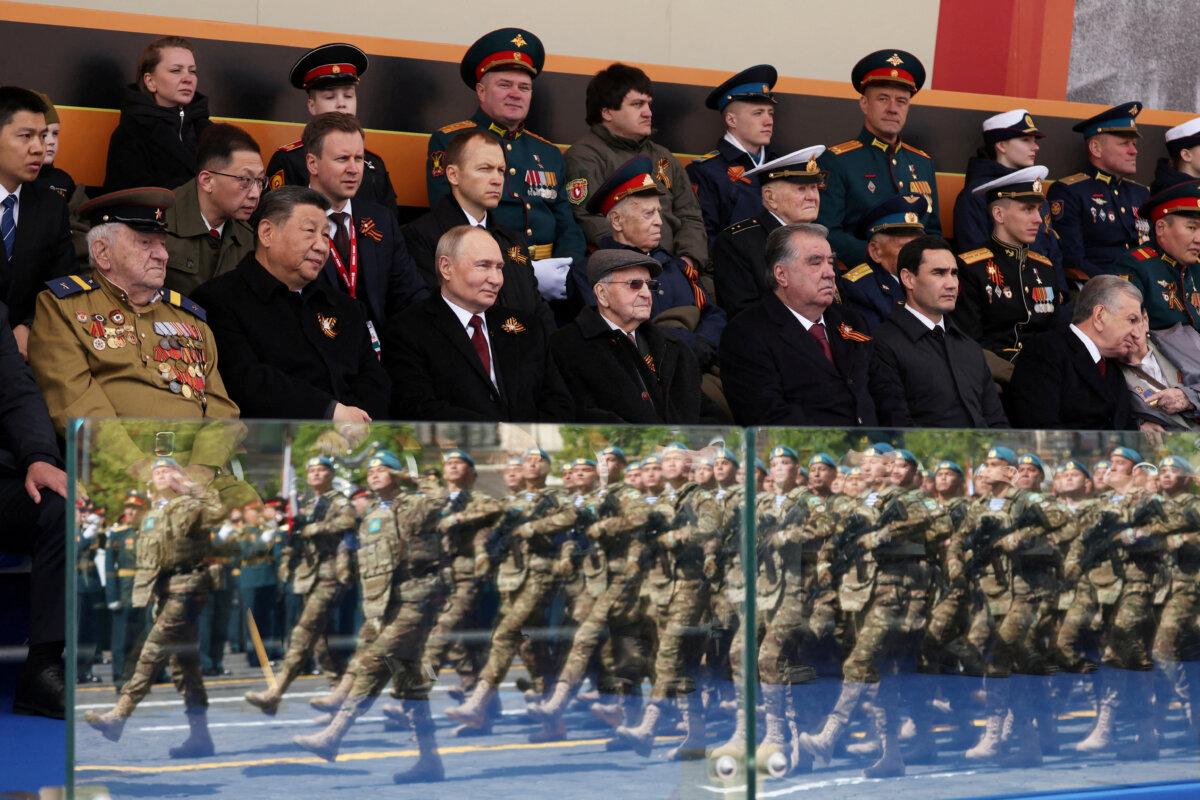
Tsai said the Trump–Xi call merely allowed both leaders to lay out their positions on the Ukraine war, with China’s real conduct pointing in a different direction from its stated support for peace—a divergence that stands in contrast to Trump’s push for a rapid end to the conflict and limited by what the brief call could realistically accomplish.
“Although China always appears neutral in its statements, its continued supply of battlefield-relevant equipment and materials to Russia, along with increased energy imports, shows that this neutrality is only a façade and that Beijing’s ongoing support has already drawn ire from Western governments,” Tsai said.
China has become one of Russia’s main oil buyers since the invasion of Ukraine began in 2022, and Moscow now expects deeper cooperation on crude and liquefied natural gas (LNG) exports.
Agreeing with Tsai’s view, Wang said Trump’s public statements have made clear he believes China is propping up Russia and that Beijing’s hollow calls for peace offer Washington little reason to expect Chinese support in ending the war.
Supply Chain Coercion
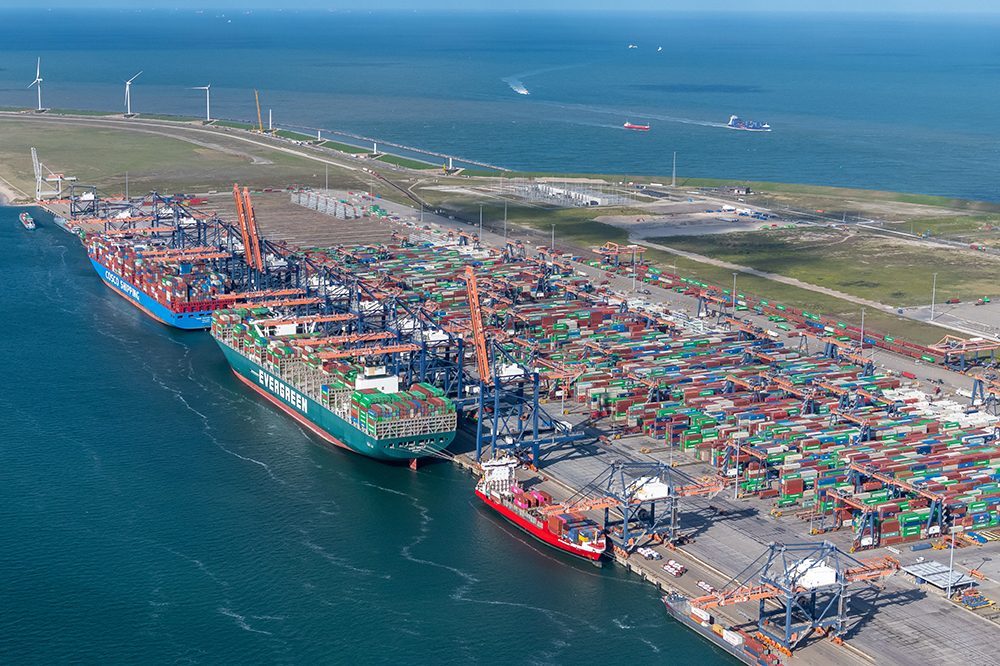
Turning to the agricultural sector, Trump wrote in his post that both sides “have done a good, and very important” deal for U.S. farmers.The report cautioned that instead of stabilizing ties, Beijing’s economic leverage tools should be viewed not just as specific countermeasures but as “a dress rehearsal for broader coercion.”
Wang added that many countries once bet on globalization softening China politically through economic integration, but that gamble has failed with Beijing’s authoritarian regime—a reality democracies such as the United States must now reckon with.
“Washington is now focused on reducing such risks, which is why the U.S. has been signing rare earth agreements with Australia and Japan, aiming to sharply decrease dependence on China within the next year or two,” Wang stated.
Sharing a similar view, Tsai predicted that Beijing’s supply chain manipulation will prove effective only in the short term, serving as economic pressure but losing value once Washington secures alternative sources.
“Trump’s approach to economic ties and tariffs with China has a clear goal: preventing Beijing from converting trade benefits into military power. Thus, great-power competition between Washington and Beijing will never shift because of a few phone calls,” Tsai said.
What's Your Reaction?
 Like
0
Like
0
 Dislike
0
Dislike
0
 Love
0
Love
0
 Funny
0
Funny
0
 Wow
0
Wow
0
 Sad
0
Sad
0
 Angry
0
Angry
0














Comments (0)