

China to Stop Seeking Benefits From Its Developing Nation Status in New WTO Agreements


.
Chinese authorities have said that the country will not seek special and differential treatment in new agreements by using its self-proclaimed developing nation status at the World Trade Organization (WTO), a change the United States has long called for.
At the U.N. General Assembly on Sept. 23, Chinese Premier Li Qiang announced that Beijing will no longer seek “any new special and differential treatment” in current and future WTO negotiations. The announcement did not include existing agreements.
The head of the Geneva-based global trade body thanked the regime’s officials and applauded their decision.
“China will no longer have access to Special and Differential Treatment in new WTO Agreements.”
While the WTO doesn’t officially define “developed” or “developing,” leaving its member states to determine their own status, the differentiation provides a self-designated “developing” economy weaker obligations to take on, by offering exemption from many provisions. The status also approved a longer time frame to comply with global trade rules on issues such as state-led economies and subsidies.
In 2019, during his first term, President Donald Trump said that such designations gave China and other economies an “unfair” advantage in international trade rules. He warned that if the WTO didn’t make “substantial progress” in addressing this issue within 90 days, the United States would act unilaterally.
Despite labeling itself a developing nation, China stands as the world’s second-largest economy, behind the United States.
.
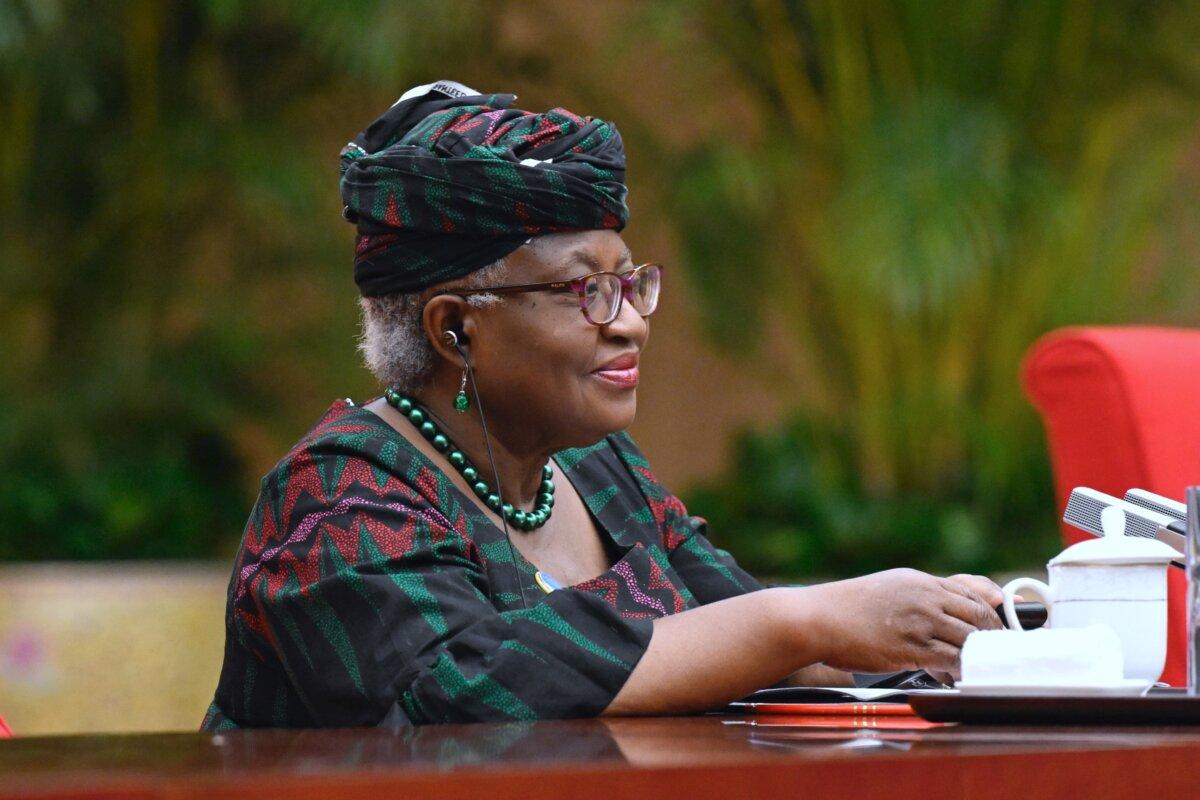
China’s commerce ministry officials told a briefing on Sept. 23 that the decision to relinquish its special treatment would not change the country’s future participation in the bloc as a developing country.
“I would like to emphasize that in the current and future negotiations at the WTO ... China’s status as a developing nation will not change,“ Han Yong, director general of WTO affairs at the commerce ministry, told reporters in Beijing.
Li Chenggang, China’s vice commerce minister and lead international trade negotiator, took a veiled shot at the United States, saying that the decision aimed to uphold the multilateral trade system, which faces “severe challenges” due to a trade and a tariff war initiated by “a certain country.”
Later that day, the WTO chief said that the regime’s action sends a “strong signal of support for WTO reform and will help foster a more level playing field for all members.”
The announcement was made as the United States becomes increasingly frustrated by the bloc’s failure to push the Chinese regime to live up to its commitments.
The Office of the United States Trade Representative (USTR) said in a 2018 report that Washington mistakenly supported the Chinese regime’s membership in the WTO, under conditions that did not encourage Beijing to open its economy.
“After 23 years of membership in the World Trade Organization, China still embraces a state-directed, non-market approach to the economy and trade, which runs counter to the norms and principles embodied in the WTO,” she said.
What's Your Reaction?
 Like
0
Like
0
 Dislike
0
Dislike
0
 Love
0
Love
0
 Funny
0
Funny
0
 Wow
0
Wow
0
 Sad
0
Sad
0
 Angry
0
Angry
0














Comments (0)