

China Sales of H200 Chip ‘Appears to Be Stuck’ on China’s Side, Says Inventec


.
Beijing appears to be holding up the decision on whether Nvidia can sell its H200 artificial intelligence chip in China, Nvidia’s business partner, server maker Inventec, said on Jan. 20.
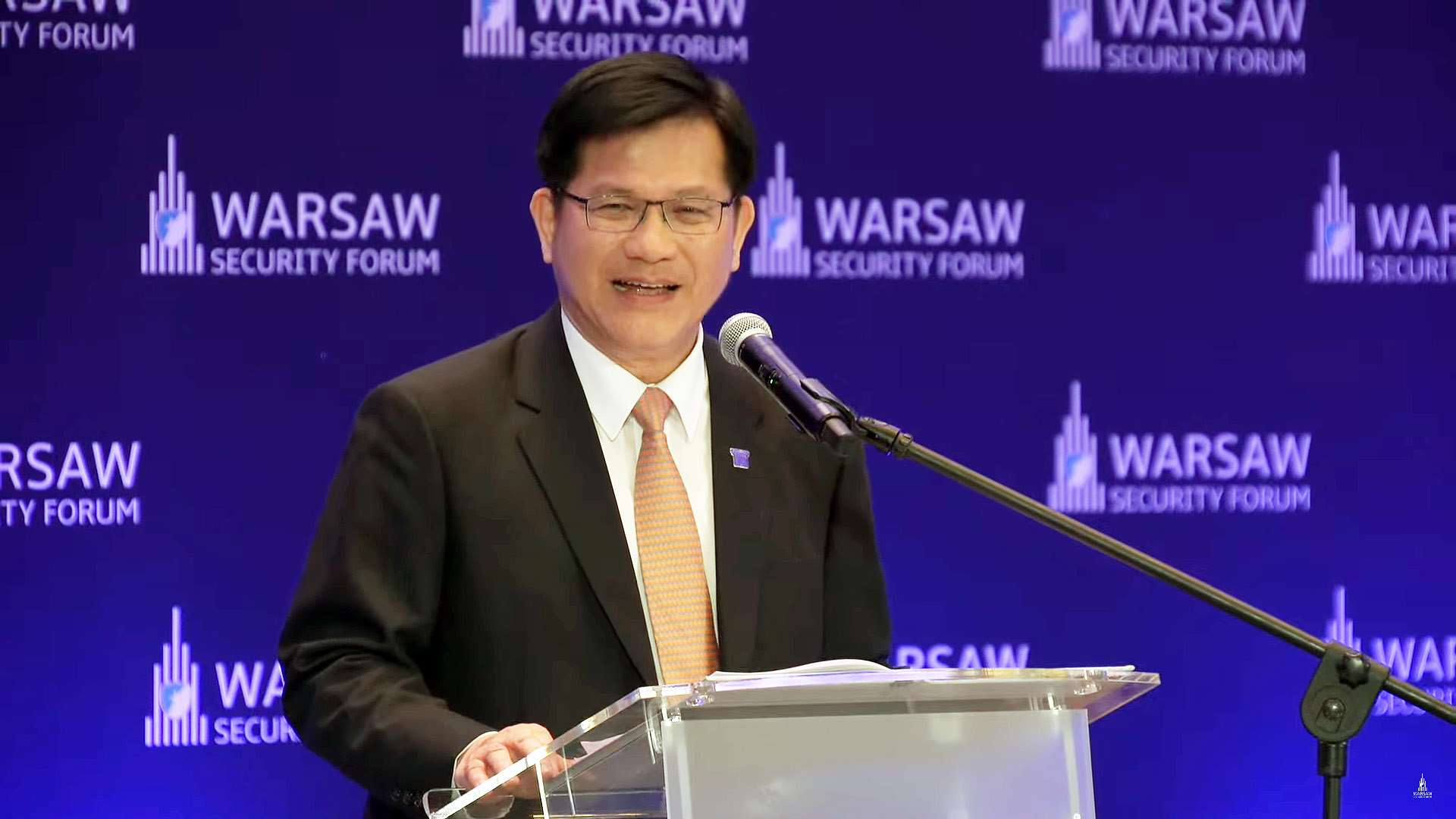
Speaking at a press conference in Taipei on Jan. 20, Inventec President Jack Tsai said Beijing had not yet allowed importation of the H200.
“It depends on the political direction, because the issue ultimately comes down to whether China allows it. Basically, the United States is open to it, but at the moment it appears to be stuck on the China side,” he said.
“We will continue to communicate with [Chinese] customers, and if it is allowed, we will do it. If not, there is nothing we can do, because we cannot violate regulations.”
The Epoch Times reached out to Nvidia for comment and did not hear back by publication time.
Inventec is a Taiwanese multinational corporation that makes laptops and servers that incorporate Nvidia products including the H200.
The Trump and Biden administrations have imposed controls on the export of advanced chips made by Nvidia and other manufacturers, as the United States seeks to maintain its lead on artificial intelligence (AI) and curb China’s military advancement.
Nvidia previously made downgraded versions of its H100 and H200 chips for the Chinese market in order to adhere to a U.S. ban on the export of its most advanced chips to China.
What's Your Reaction?
 Like
0
Like
0
 Dislike
0
Dislike
0
 Love
0
Love
0
 Funny
0
Funny
0
 Wow
0
Wow
0
 Sad
0
Sad
0
 Angry
0
Angry
0













Comments (0)