

CCP Uses Burma Scam Centers to Expand Influence and Steal American Data


.
The latest U.S.–China Commission report finds that the Chinese Communist Party (CCP) is exploiting scam centers in Burma, also known as Myanmar, to expand its diplomatic and security footprint and obtain data on Americans.
Because armed resistance groups are central to China’s access to infrastructure and raw materials under the CCP’s Belt and Road Initiative, Beijing tolerated these scam centers for years. But the scale of financial losses to Chinese citizens became a direct economic threat, prompting Beijing to pressure the junta, its client, to shut them down.
Criminal syndicates have shifted from targeting Chinese citizens to Americans, allowing them to make more money while drawing less pressure from Beijing. In 2024, China reported a 30 percent drop in scam losses, while U.S. losses rose 40 percent. After China-led crackdowns, syndicates in Shwe Kokko began recruiting English-proficient workers to target Americans and Europeans.
Chinese criminals behind these scam centers have cultivated ties—some overt, others deniable—to the CCP. By supporting Belt and Road projects in Burma and spreading CCP propaganda overseas, scam bosses have turned their operations into tools of Beijing’s diplomatic and economic expansion.
.
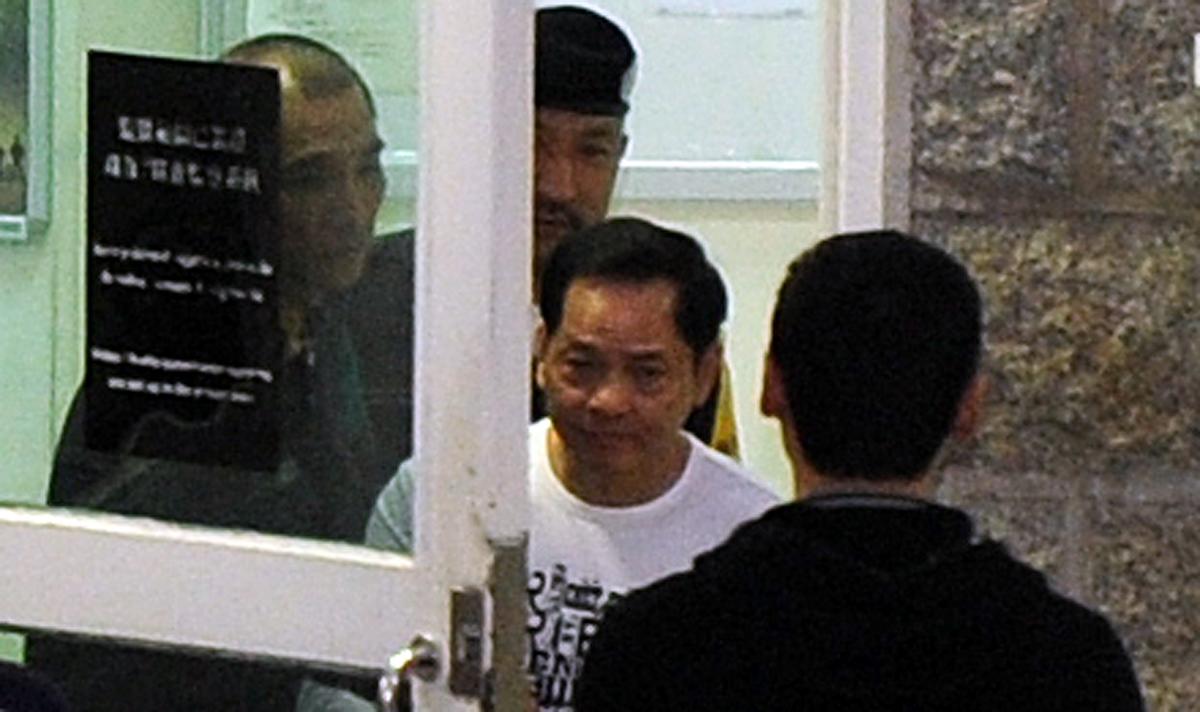
As Wan expanded his criminal empire, he rebranded himself as a pro-CCP figure and, in 2017, founded the World Hongmen History and Culture Association in Cambodia, which promotes CCP narratives on issues such as Hong Kong and Taiwan. Wan declared, “I used to fight for the cartels, and now I fight for the CCP,” while laundering scam profits into businesses in China, including real estate and construction, according to the U.S.–China Economic and Security Review Commission. Beijing has taken no action against him, signaling its willingness to tolerate criminal groups that support its broader agenda.
The CCP is also using the scam centers as a pretext to deploy its own security forces throughout the region. This inside-out strategy gives Beijing footholds inside the internal security apparatuses of neighboring countries. The U.S.–China Commission report describes Southeast Asia as a pilot zone for tactics the CCP intends to replicate in Africa, Latin America, and Central Asia.
Beijing has used the presence of Chinese transnational criminal groups to pressure governments to accept a larger Chinese security role. On May 25, 2023, China and Laos agreed to deepen cooperation on law enforcement and security to combat transnational crime. In September 2024, Cambodian Minister of Interior Sar Sokha traveled to Beijing and committed to expanding joint law-enforcement efforts, particularly against criminal networks. In September this year, China hosted a meeting of the Lancang–Mekong Law Enforcement Cooperation mechanism with Cambodia, Laos, Burma, Thailand, and Vietnam, during which the parties agreed to increase intelligence sharing and to conduct joint operations targeting scam centers.
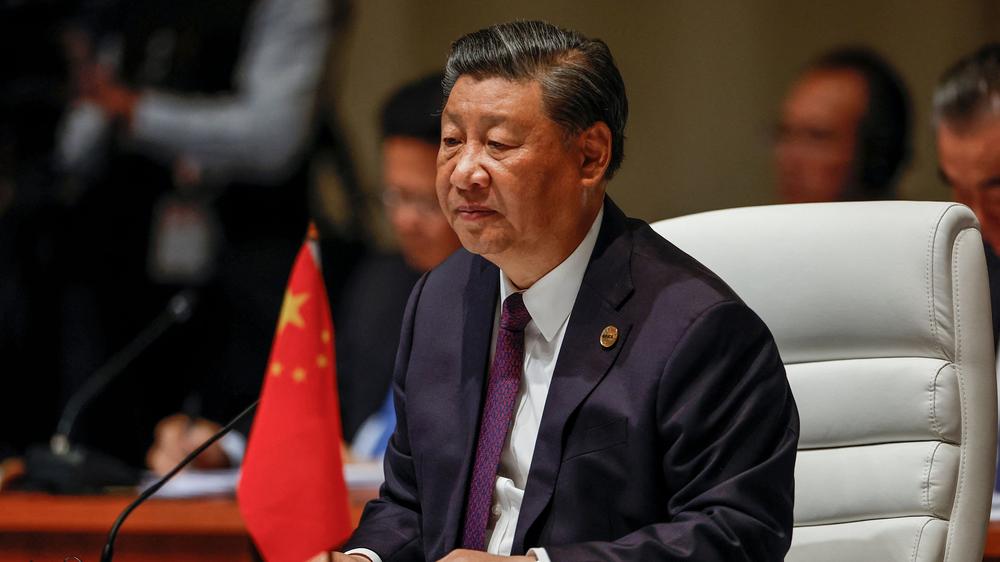
Seeking to reassure Chinese visitors, Thai Prime Minister Paetongtarn Shinawatra met Chinese leader Xi Jinping on Feb. 6 and vowed to strengthen law-enforcement cooperation with China. By late February, Thailand allowed senior Chinese officials and Chinese security forces to participate in cross-border raids on scam centers.
.

Chinese government documents reveal that when Chinese security forces participate in raids on scam centers, they routinely confiscate large quantities of devices used in scamming operations. In August 2024, China’s Ministry of Public Security announced that Chinese security forces had taken part in a raid in Burma and confiscated a large quantity of computers and phones, all of which were transported back to China.
These devices likely contain intelligence on Chinese criminal networks and highly sensitive personal data belonging to scam victims, including Americans. The U.S. Institute of Peace has testified before the U.S.–China Economic and Security Review Commission that China has been unwilling to share information extracted from these devices with other countries.
Its Burma team has already moved against multiple compounds, seizing scam websites and seeking warrants to confiscate satellite terminals, while the FBI has deployed agents to Bangkok to work with the Royal Thai Police against notorious centers such as the KK Park.
U.S. federal officials say the initiative will use every tool available to disrupt foreign criminal networks, recover stolen funds, and prevent U.S. systems from being weaponized against Americans. Hopefully, this Strike Force will also counter the CCP’s influence and help stop Beijing from extracting even more data and money from American citizens.
What's Your Reaction?
 Like
0
Like
0
 Dislike
0
Dislike
0
 Love
0
Love
0
 Funny
0
Funny
0
 Wow
0
Wow
0
 Sad
0
Sad
0
 Angry
0
Angry
0












Comments (0)