

Carney Falling Into China’s Strategic Trap as It Seeks New Energy Sources After Losing Venezuela, Warns Analyst


.
Prime Minister Mark Carney may be walking into a trap by seeking a “strategic partnership” with China, which is losing energy suppliers like Venezuela under U.S. control and could pull Canada into its orbit for resources and away from its allies, longtime China analyst Sheng Xue warns.
Carney has said his government is pursuing a “strategic partnership” with Beijing, as he and several of his cabinet ministers have been meeting with Chinese officials throughout his visit in Beijing in an effort to build closer relations between the two countries.
“Carney may be falling into a clearly visible strategic trap,” Sheng, a Toronto-based journalist and pro-democracy activist, told The Epoch Times. “Currently, the CCP [Chinese Communist Party] is losing multiple key energy and political pillars simultaneously.”
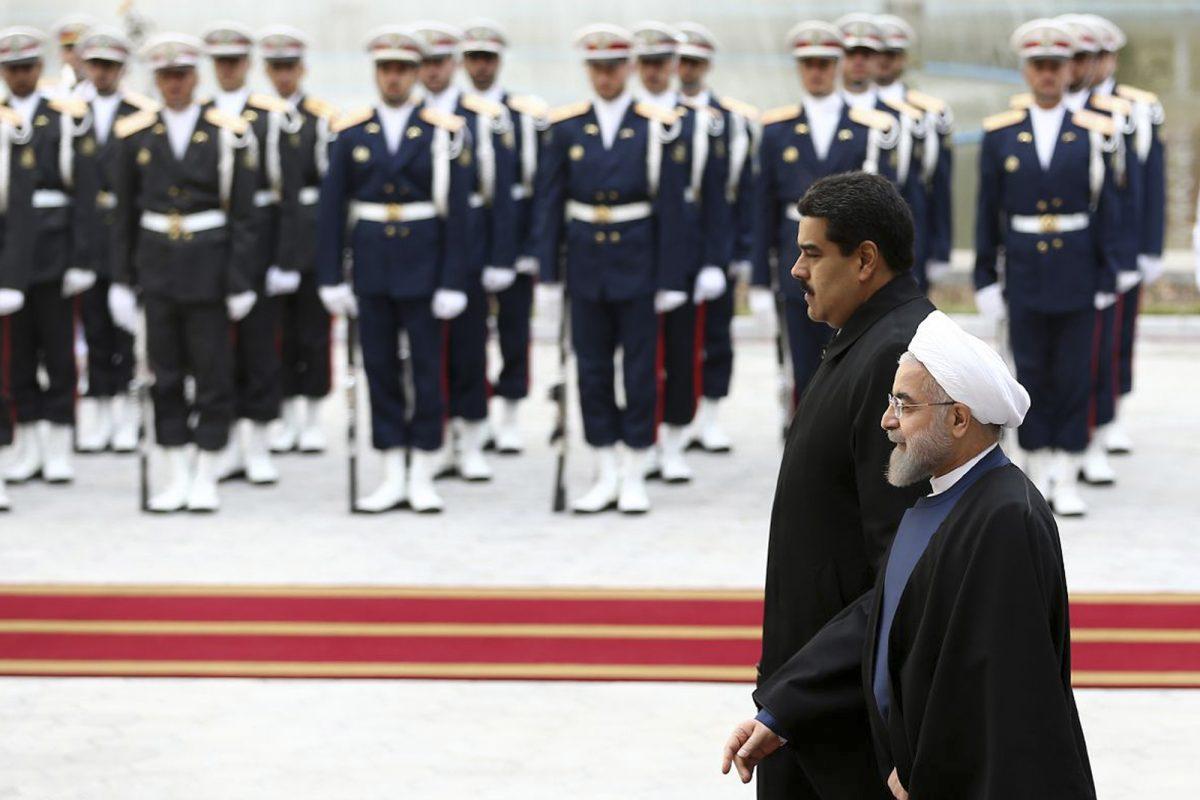
Sheng said that with the instability of the Venezuelan regime after the recent events involving the United States, as well as the “severe internal turmoil” of the Iranian regime, Beijing “urgently needs to find new sources of energy and raw materials that are politically low-cost, resource-stable, and can be packaged as ‘normal cooperation.’”
Canada’s vast reserves of energy, food, and critical minerals offer exactly these conditions, she said, adding that Canada is also “politically constrained by a legacy of moral self-restraint and globalist narratives,” making it easy to label Canada as a “rational cooperative partner.”
Sheng says that Canada risks undermining cooperation with its allies by developing deeper relations with the CCP, particularly at a time when the United States is seeking to drive out the influence of CCP from the Western hemisphere, as it did in Venezuela.
Venezuela remained “economically viable largely because the Chinese Communist regime purchases the majority of its oil exports and provides critical financial and political support,” Sheng said. Meanwhile, U.S. Secretary of State Marco Rubio has said the U.S. administration had concerns about turning Venezuela into an “operating hub” for countries like Iran, Russia, or China.
Sheng said that if Canada becomes an alternative supplier for the CCP in energy and resources it will be “passively dragged” into the CCP’s resource allocation network and damage its strategic trust with allies. This could undermine Canada’s credibility within the Five Eyes and the North American defence system, she added.
Sheng also said the issue with Carney’s visit to China is not his engagement with Beijing in general, but “his misjudgment of the situation, his wrong choice of rhetoric, and his faulty assessment of the CCP’s true intentions at a critical historical juncture.”
“This is not pragmatism; it is a dangerous strategic regression,” she said.
.
A Shift in Terminology
Carney’s wording around Ottawa’s relationship with Beijing has shifted from before the election, when he said China was Canada’s “biggest security threat,” to now saying Canada is entering a “new era of relations with China” and a “strategic partnership.” He also said in Beijing that he believes the progress Canada and China have made in their partnership “sets us up well for the new world order.”Sheng said Carney’s public use of such politicized terms in Beijing constitutes a “serious opposition” to the values and strategic intentions of the Western world, and that using the term “new world order” indicates Carney has entered the CCPs “discourse system,” rather than adhering to Canadian values.
“The CCP is not a state improving its human rights record, obeying international rules, or reducing external threats; it is an authoritarian regime systematically destroying freedom, human rights, and international order, with numerous crimes against humanity still ongoing,” Sheng said.
Mehmet Tohti, executive director of the Canada-based Uyghur Rights Advocacy Project, also commented on Carney’s use of such terminology, saying “China is not and cannot be our strategic partner.”
He wrote, “Beijing’s approach to international relations is transactional and opportunistic, guided by perceived advantage rather than mutual trust.”
Sheng said such promotion reveals a “typical globalist technocratic mindset.” Although there has been discussions on increased “communication, pragmatism, climate cooperation, and economic stability” between the two countries, there has also been an avoidance of issues like “hostage diplomacy, election interference, transnational repression, and long-term infiltration carried out by the CCP against Canada,” she added.
.
Deals, Agreements
Carney’s visit to China has yielded “almost no results of strategic certainty for Canada at a substantive level,” Sheng said, saying the visit has instead provided the CCP with returns “far exceeding its negotiation costs.”The Global Automakers of Canada said in a Jan. 16 statement that its members are “concerned that this announcement just adds one more piece of uncertainty into a highly uncertain environment for the automotive industry.”
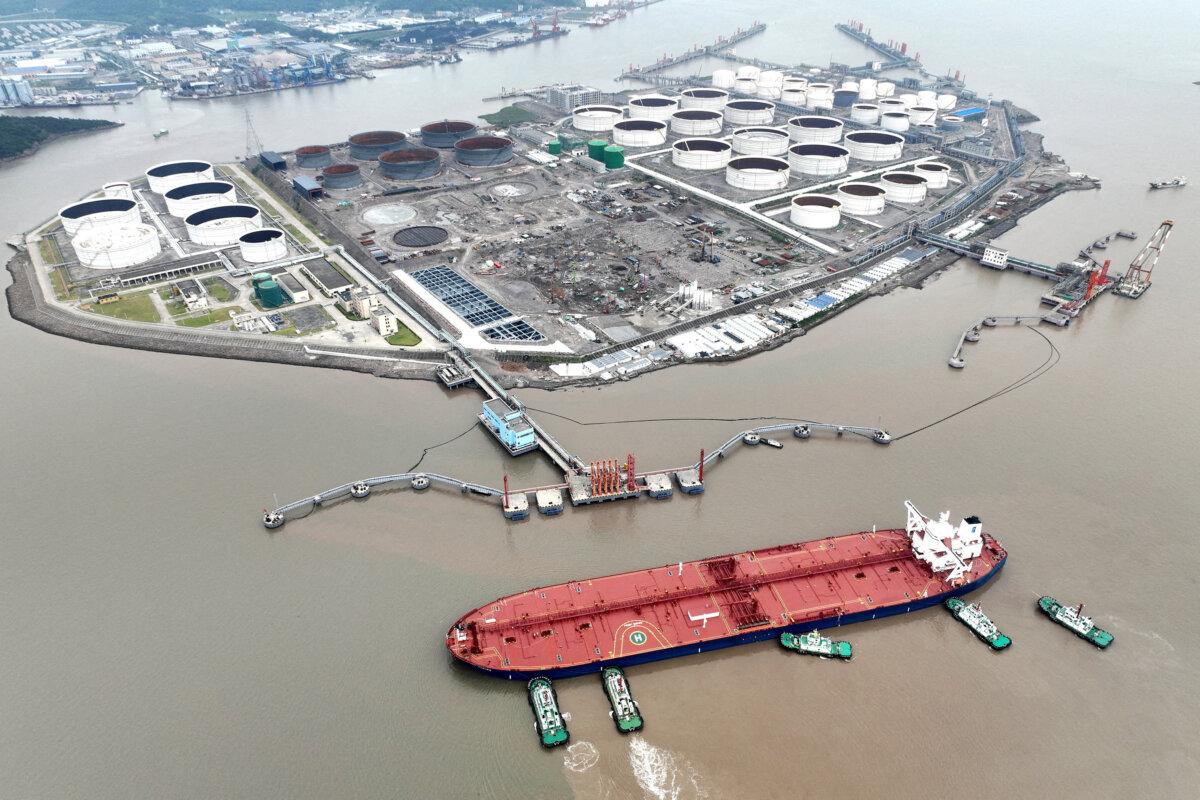
Sheng said the “progress” of Carney’s visit is not reflected in specific agreements, concessions, or commitments, but rather in “language, posture, and political characterization.” She said slashing tariffs on Chinese EVs and intending to provide energy to China are “precisely the resources the CCP most desperately needs in its current international predicament.”
What's Your Reaction?
 Like
0
Like
0
 Dislike
0
Dislike
0
 Love
0
Love
0
 Funny
0
Funny
0
 Wow
0
Wow
0
 Sad
0
Sad
0
 Angry
0
Angry
0
















Comments (0)