

U.S. Pushes Back on China’s Growing Influence at the United Nations
U.S. Pushes Back on China’s Growing Influence at the United Nations - Summary: The United States is publicly contesting China’s growing personnel and influence inside United Nations agencies while urging stronger international support for Taiwan’s participation in global organizations. U.S. Ambassador to the U.N. Mike Waltz framed the issue as a competition over staffing, leadership roles, and the integrity of multilateral institutions. [1

.
What U.S. officials are saying
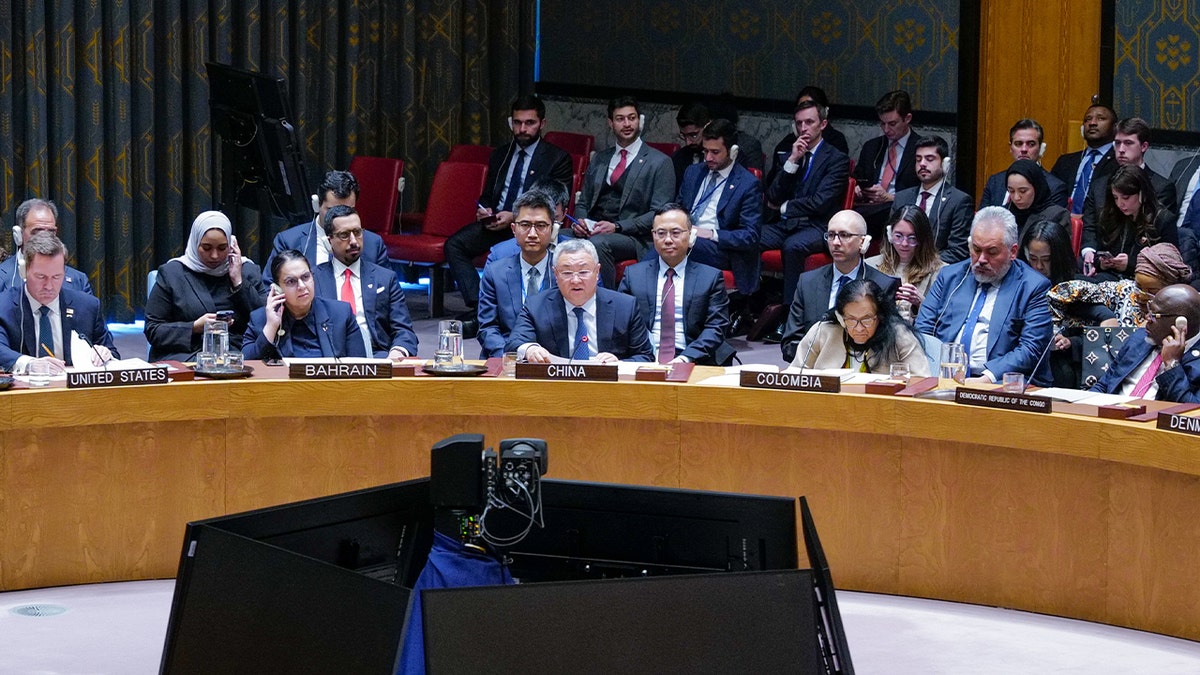
At a congressional field hearing on 20 March 2026, U.S. Ambassador to the United Nations Mike Waltz warned that Beijing is using financial contributions to press for staffing and policy outcomes inside U.N. bodies. He identified specialized agencies—the International Maritime Organization, the International Telecommunication Union, the Food and Agriculture Organization, and the World Intellectual Property Organization—as arenas where influence contests are most visible. [1]
Evidence of changing personnel balance
A recent congressional report cited by Waltz documents a marked rise in Chinese nationals working across the U.N. system: from 579 in 2005 to 1,664 in 2023, an increase of 187 percent. The report argues that some of these appointments have placed Chinese nationals in leadership positions with the potential to shape agency decisions in ways that align with Beijing’s strategic interests. [1]
U.S. policy priorities and actions
- Staffing and recruitment: Waltz urged a more proactive U.S. effort to place qualified Americans at senior and junior levels inside U.N. agencies, including internships and entry-level posts, to counterbalance large-scale recruitment by the People’s Republic of China. [1]
- Support for Taiwan: The U.S. reiterated backing for “meaningful participation” by Taiwan in international organizations, arguing Taipei contributes technical expertise—especially in technology and public health—that benefits global problem‑solving. [1]
- Public diplomacy and reporting: Congressional scrutiny and public reports are being used to highlight perceived Chinese leverage and to build political support for corrective measures. [1]
Legal and diplomatic context
The dispute over Taiwan’s international role remains anchored in historical U.N. decisions. U.N. General Assembly Resolution 2758 (1971) transferred China’s seat at the U.N., a fact Beijing often cites to justify excluding Taiwan from many international forums. U.S. officials contend that the resolution does not authorize unilateral exclusion of Taiwan from specialized agencies where it can contribute. [1]
Risks and strategic trade-offs
Efforts to counterbalance China at the U.N. carry diplomatic trade-offs: pushing too hard could complicate cooperation on global issues where Beijing’s participation is necessary, while inaction risks ceding institutional influence. Balancing recruitment, coalition-building, and principled advocacy is the central challenge identified by U.S. policymakers. [1]
Sources
- Frank Fang, “US Challenges China’s UN Influence, Backs Taiwan’s Global Role, Ambassador Waltz Says,” The Epoch Times, 22 March 2026. https://www.theepochtimes.com/china/us-challenges-chinas-un-influence-backs-taiwans-global-role-ambassador-waltz-says-6002324
.
What's Your Reaction?
 Like
0
Like
0
 Dislike
0
Dislike
0
 Love
0
Love
0
 Funny
0
Funny
0
 Wow
0
Wow
0
 Sad
0
Sad
0
 Angry
0
Angry
0










Comments (0)