

Putin in Beijing: Russia and China Tighten Their Alliance — Days After Trump Left Town
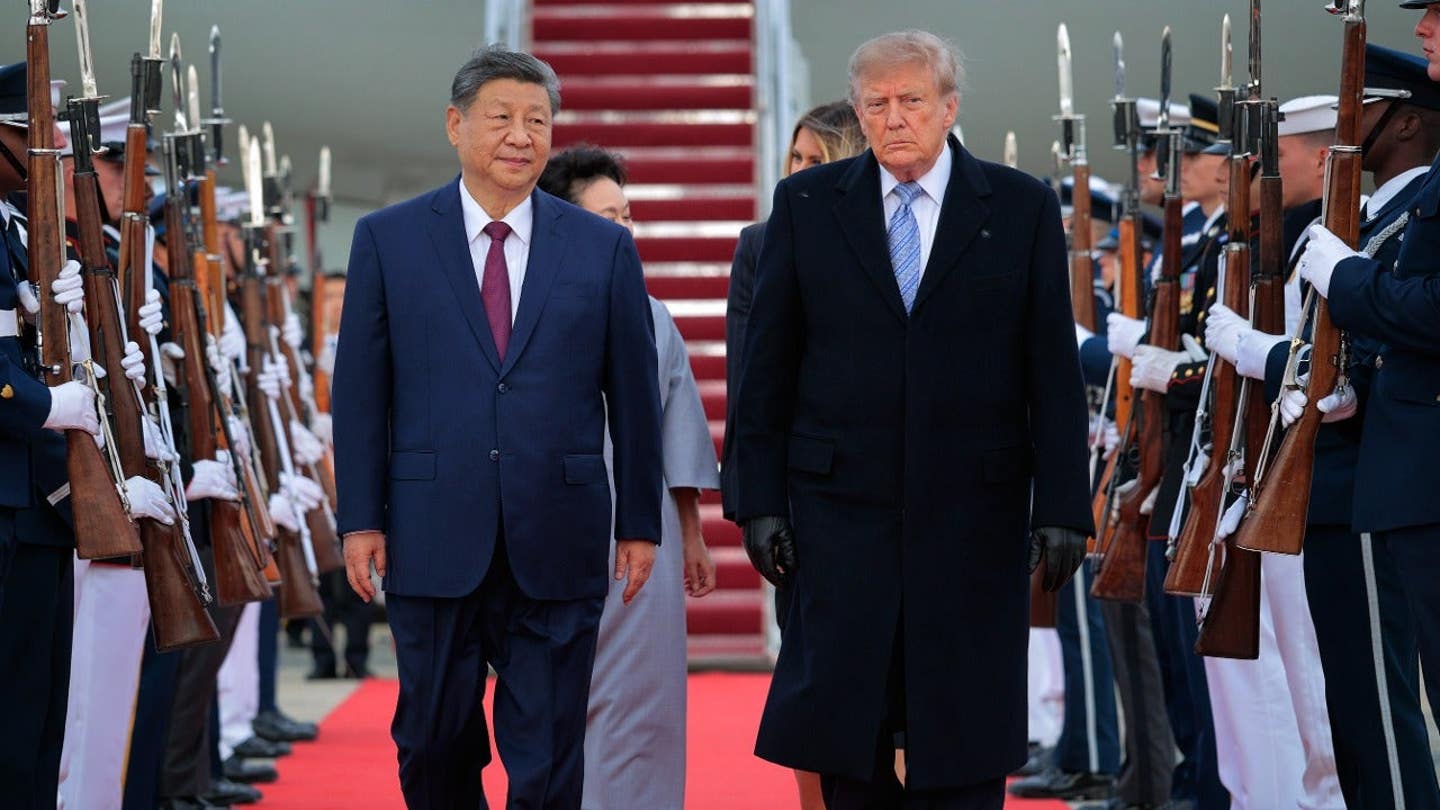
Russian President Vladimir Putin arrived in Beijing on Tuesday for a two-day state visit — just days after U.S. President Donald Trump wrapped up his own summit with Chinese leader Xi Jinping. The back-to-back visits put China at the center of global diplomacy, as Beijing carefully navigates its relationships with both Washington and Moscow.


.
Putin Arrives as the Ink on the Trump Deal Is Still Drying
The timing could hardly be more deliberate. Less than a week after Donald Trump departed Beijing following his first presidential visit to China in nearly a decade, Vladimir Putin touched down at the Chinese capital on May 19. Chinese Foreign Minister Wang Yi was there to greet him on arrival.
The two-day visit — scheduled for May 19 and 20 — is officially framed as a celebration of the 25th anniversary of the Treaty of Good-Neighborliness and Friendly Cooperation, a landmark agreement signed between Moscow and Beijing in 2001. But the real significance goes far beyond symbolism.
According to the Kremlin, around 40 bilateral agreements are expected to be signed during the visit. The two leaders are also set to issue a joint declaration on establishing what they call a "multipolar world" and a "new type of international relations" — language that signals a shared desire to challenge Western-led global structures.
"Unprecedented" Ties — And a Clear Message to the West
In a video address released ahead of his arrival, Putin did not mince words. He described relations between Russia and China as having reached an "unprecedented level" of mutual understanding and trust. Both countries, he said, are prepared to support each other on issues touching on their "core interests" — specifically mentioning the protection of sovereignty and national unity.
That phrase carries weight. "Sovereignty and national unity" is diplomatic code — for Russia, it relates to Ukraine; for China, it points directly to Taiwan. Neither side spelled that out, but few observers missed the implication.
"We are not aligning against anyone, but working for the cause of peace and universal prosperity," Putin said — a statement that rings hollow to many in the West, given Russia's ongoing war in Ukraine and China's material support for the Russian war economy.
Putin also described the close strategic connection between Moscow and Beijing as playing "a stabilizing role" in global relations. Critics argue the opposite: that this partnership actively destabilizes the international order built after World War II.
China's Tightrope: Washington and Moscow at the Same Time
For Beijing, hosting the leaders of both the United States and Russia within the same week is an extraordinary diplomatic feat — and a deliberate one. It is the first time China has hosted two of the other permanent UN Security Council members in the same month outside a multilateral setting.
Xi Jinping has consistently presented China as a neutral actor on the world stage — a responsible major power capable of speaking to all sides. During Trump's visit, Xi described the U.S.-China relationship as "the world's most important" and proposed seeing each other as partners rather than rivals. A new framework for "constructive strategic stability" between Washington and Beijing is reportedly in the works.
Yet Xi's "no limits" partnership with Putin — announced just before Russia's full-scale invasion of Ukraine in February 2022 — complicates that image considerably. "Beijing wants stable relations with the West, continued strategic trust with Moscow, and enough diplomatic room to present itself as an unbiased major power capable of talking to all sides," said Wang Zichen of the Center for China & Globalization, a Beijing-based think tank.
Energy, Trade, and Sanctions Evasion
The economic dimension of the Putin visit is equally significant. China has become Russia's largest trading partner by far. Since Western sanctions cut Russia off from much of the global financial system, Moscow and Beijing have shifted almost entirely to trade in rubles and yuan, bypassing the U.S. dollar.
China is now the top buyer of Russian oil and gas. Putin noted just days before the visit that the two sides had made "a very substantial step forward" in energy cooperation and that practically all major issues in the oil and gas sector had been agreed upon. A finalization of those deals during the Beijing visit appears likely.
Meanwhile, Western governments have repeatedly accused Chinese companies of supplying Russia with dual-use technology — components that end up in Russian weapons systems and military drones. Investigative reporting by Reuters and others has described shipments of drone engines mislabeled as "industrial refrigeration units." Beijing has denied the allegations.
The Taiwan Factor — Lurking in the Background

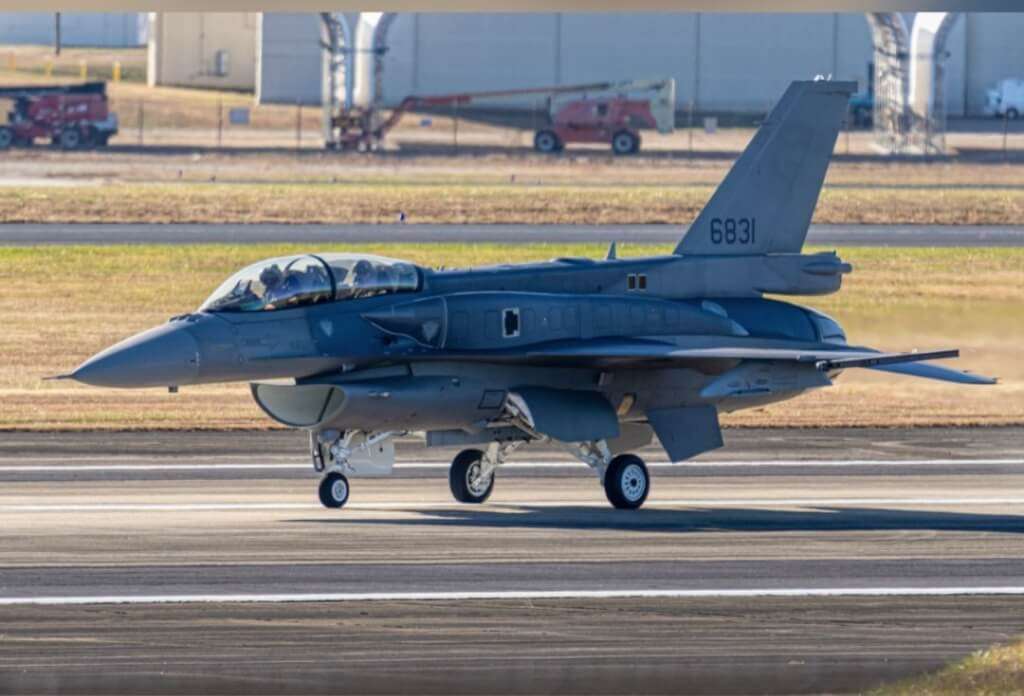
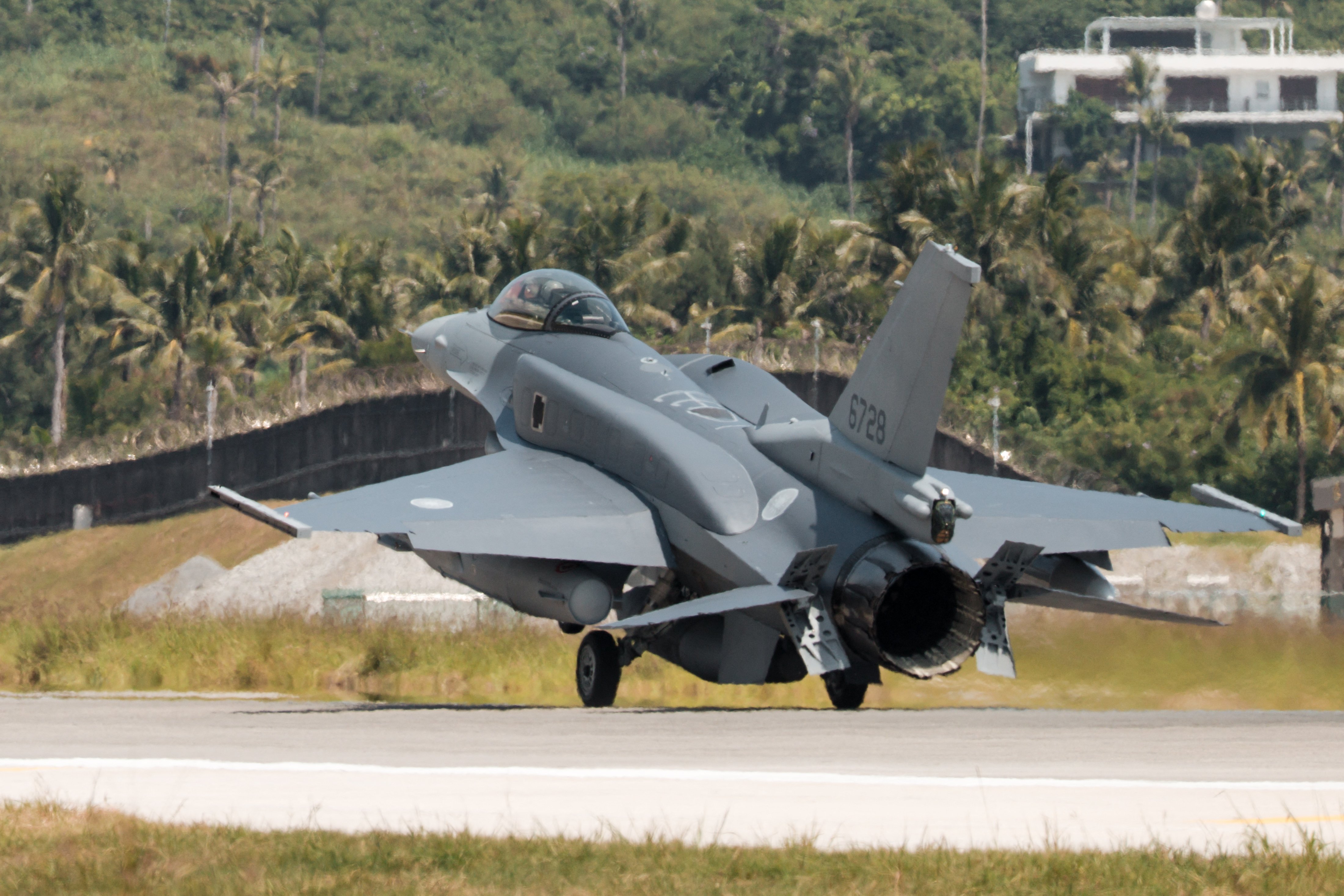
One issue likely discussed behind closed doors is Taiwan. During Trump's recent summit, the U.S. and China touched on the topic, though little was revealed publicly. Trump had earlier described U.S. military cooperation with Taiwan as a "bargaining chip" — a comment that alarmed Taipei and drew a sharp response from Taiwanese President Lai Ching-te.
Analysts suggest Putin's arrival may have added a new layer to that conversation. Joseph Webster of the Atlantic Council has noted that Taiwan may be the "hidden context" of the Putin-Xi meeting — with Beijing potentially using deeper energy ties with Moscow to strengthen its strategic position while managing pressure from Washington.
A World Watching Beijing
China's ability to host both Trump and Putin within days of each other underscores just how central Beijing has become to global power dynamics. For Xi, it is a display of diplomatic dexterity. For the rest of the world, it raises uncomfortable questions about whose side Beijing is actually on — and whether its carefully maintained neutrality is more performance than policy.
The joint declaration on multipolarity expected at the end of the Putin visit will likely be watched closely in Washington, Brussels, and Taipei alike.
.
Sources:
- AP News – Putin visits China to reaffirm Russia ties as Xi seeks stable U.S. relations after Trump summit: https://apnews.com/article/china-russia-putin-xi-beijing-visit-trump-0c0086341e9694122a49fb7054b41d97
- Reuters – Putin says Russia, China ready to back each other on issues such as protecting sovereignty (May 19, 2026): https://www.reuters.com/world/china/putin-says-russia-china-ready-back-each-other-issues-such-protecting-sovereignty-2026-05-19/
- Al Jazeera – Russia's Putin to visit China following Trump's trip: https://www.aljazeera.com/news/2026/5/16/russias-putin-to-visit-china-following-trumps-trip
- CNBC – Russia's Putin to meet China's Xi in Beijing from May 19–20: https://www.cnbc.com/2026/05/16/russias-putin-to-meet-chinas-xi-in-beijing-from-may-19-20.html
- South China Morning Post – Russia's Putin is heading to China next week, days after historic Xi-Trump summit: https://www.scmp.com/news/china/diplomacy/article/3353648/russias-putin-heading-china-next-week-days-after-historic-xi-trump-summit
- Euronews – Putin to visit China days after Trump's Beijing trip: https://www.euronews.com/2026/05/16/putin-to-visit-china-days-after-trumps-beijing-trip-kremlin-says
.
What's Your Reaction?
 Like
0
Like
0
 Dislike
0
Dislike
0
 Love
0
Love
0
 Funny
0
Funny
0
 Wow
0
Wow
0
 Sad
0
Sad
0
 Angry
0
Angry
0










Comments (0)