

The Stress–Gut Connection: Why Anxiety Fuels Weight Gain and How to Break the Cycle

.
The Hidden Link Between Stress and the Gut
Stress is more than just a mental burden—it changes the way your body works. When we are anxious or overworked, stress hormones alter eating habits and disturb the intestinal environment, often leading to obesity.How Stress Disrupts the Gut Microbiome
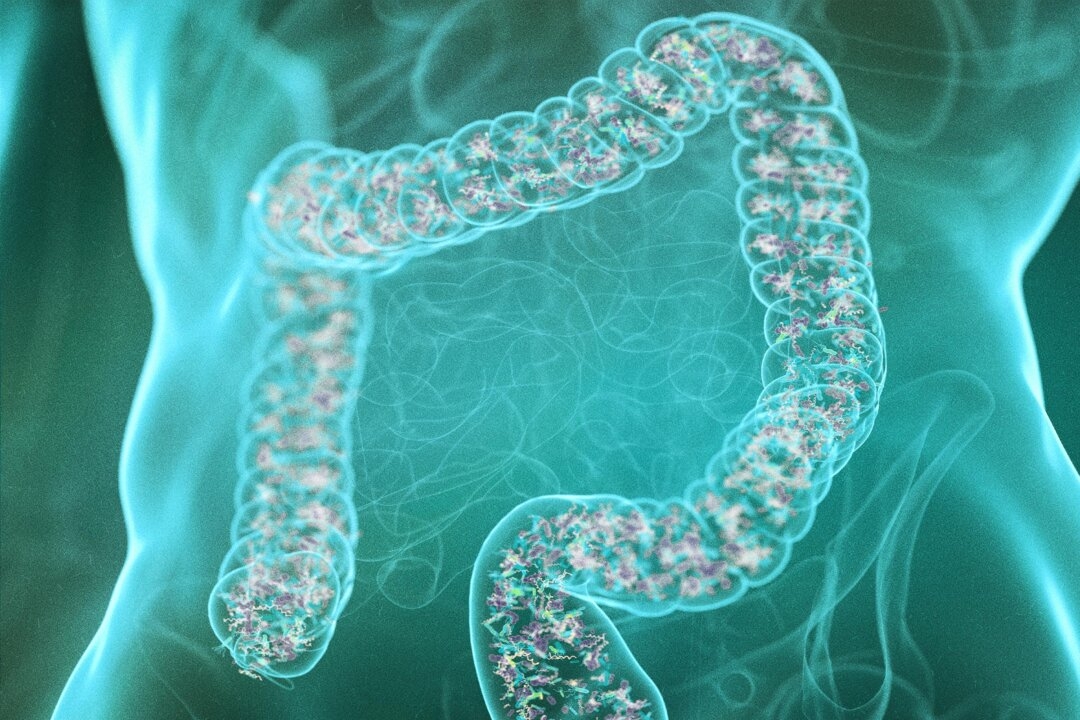
The gut is often described as a “second brain” because of the brain-gut axis, a two-way communication system linking digestion, mood, and even immunity. When we feel stressed, anxious, or overwhelmed, this delicate network can easily fall out of balance, causing problems such as irritable bowel syndrome, bloating, constipation, or diarrhea.From a modern medical view, stress activates the body’s fight-or-flight response. This triggers the adrenal glands to release cortisol, a stress hormone that alters gut motility, changes appetite, and encourages fat storage around the abdomen. Over time, this constant hormonal surge disrupts gut flora, weakens metabolism, and contributes to obesity and inflammation.
- The Spleen System: In TCM, the “spleen” represents the entire digestive system. It is responsible for transforming food into “qi” (energy) and blood, which fuel the whole body. Emotional strain—especially excessive worry or overthinking—weakens the spleen. This leads to poor appetite, bloating, loose stools, and low immunity. “The Yellow Emperor’s Classic of Internal Medicine” notes, “Overthinking harms the spleen,” showing that mental stress can directly damage digestion and energy production.
- The Liver System: The liver, according to TCM, regulates the smooth flow of qi and emotions. Stress, anger, or frustration cause “liver qi stagnation,” which blocks energy circulation. When this happens, people may feel irritable, experience digestive discomfort, and turn to food for emotional comfort. Cravings for greasy or crunchy foods—such as fried chicken or potato chips—are a classic example of how stress disrupts both mood and metabolism.
- The Kidney System: The kidneys, in TCM, store essence (“jing”), the foundation of growth, reproduction, and vitality. Chronic stress gradually consumes kidney essence, leading to fatigue, sleep disturbances, and slowed metabolism. From a modern perspective, this corresponds to adrenal exhaustion, hormone imbalances, and reduced resilience against stress.
How Stress Drives Weight Gain
Lü said that stress fuels weight gain through two major pathways—behavioral and physiological—and together, they create a self-perpetuating cycle.1. Emotional Eating
When stress levels rise, people often seek comfort in food. This is not just a bad habit—it’s rooted in biology. Stress dampens activity in the prefrontal cortex (responsible for self-control) while activating the brain’s reward system, making high-fat, high-sugar foods especially appealing.2. Hormonal Imbalance
Stress doesn’t just change behavior—it rewires metabolism. Chronic stress triggers excessive release of cortisol, the stress hormone, from the adrenal glands.The Vicious Cycle
Together, emotional eating and hormonal imbalance reinforce one another: stress leads to cravings, overeating disrupts metabolism, poor sleep worsens stress, and weakened organ systems make it harder to recover. Without intervention, this cycle can spiral into obesity, depression, and chronic disease.Can You Lose Weight While Stressed?
Stress is something everyone experiences. Students face pressure from exams, young people face pressure from work and family, and even retirees have their fair share of stresses, such as time management and sleep problems.Lü emphasized that stress itself isn’t inherently harmful; the key lies in how you cope with it and the behaviors it triggers. Even under stress, weight loss is not impossible. Effective stress management, combined with a healthy lifestyle, can help achieve weight loss goals.
- Becoming aware of physical and emotional signals
- Practicing deep breathing to calm the nervous system
- Alternating relaxation and tension to release stored stress
3 Principles for Healthy Bacteria Maintenance
Many people try to improve their gut health with probiotic supplements, but the results vary widely. Lü noted that with countless different probiotics on the market, finding the right one can be as challenging as choosing a life partner. Instead, he recommends nurturing rather than simply feeding bacteria—providing beneficial microorganisms with the right food to foster healthy gut flora and allow them to flourish naturally.- Good food: Choose fiber-rich, whole foods that feed good bacteria.
- Regular lifestyle: Maintain consistent sleep and exercise to support gut and immune health.
- Stress reduction: Practice stress reduction to calm the mind and help cultivate a balanced gut ecosystem.
Foods That Good Bacteria Love
From both TCM and modern nutritional perspectives, certain foods help beneficial bacteria flourish:- Vegetables: Yellow and red peppers, broccoli, cauliflower, and spinach provide nutrients that nurture beneficial bacteria.
- Beans: Soybeans, black beans, and edamame supply soluble fiber and provide plant-based protein, helping healthy bacteria thrive.
- Ginger and onions: Ginger and onions contain the antibacterial compounds gingerol and allicin, which boost immunity.
- Turmeric: Turmeric offers antioxidant properties while supporting weight loss and anxiety relief.
- Burdock: Burdock root nourishes the kidneys and spleen in TCM, while burdock tea promotes beneficial bacteria growth.
- Asparagus: Asparagus quenches thirst and boosts metabolism.
- Semi-ripe bananas: Semi-ripe bananas contain resistant starch, which provides fullness without spiking blood sugar and supports weight loss.
- Sweet potatoes: Sweet potatoes are rich in resistant starch, which promotes the growth of good gut bacteria.
- Healthy oils: Olive oil, flaxseed oil, camellia oil, and avocado oil maintain balanced gut flora and create a suitable environment for probiotics.
Both TCM and modern medicine agree: Stress can undermine digestion, disrupt gut flora, and drive weight gain. However, by understanding these mechanisms—and addressing them through balanced food, mindful living, and stress management—we can restore harmony.
In TCM terms, caring for the spleen and calming the liver allows qi to flow smoothly, digestion to strengthen, and the body to return to balance. The result is not just weight control, but better immunity, mood, and long-term health.
.
What's Your Reaction?
 Like
0
Like
0
 Dislike
0
Dislike
0
 Love
0
Love
0
 Funny
0
Funny
0
 Wow
0
Wow
0
 Sad
0
Sad
0
 Angry
0
Angry
0



















Comments (0)