

Taiwan’s Premier Rejects Xi’s ‘Return to China’ Call


.
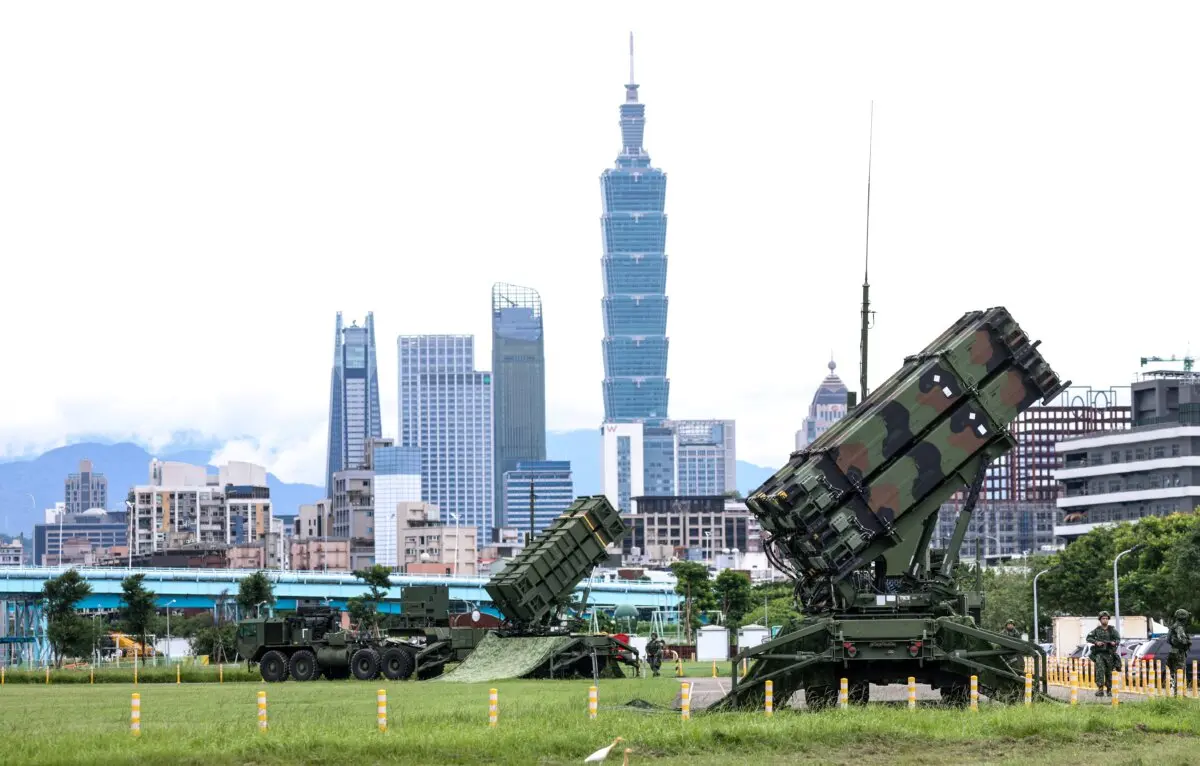
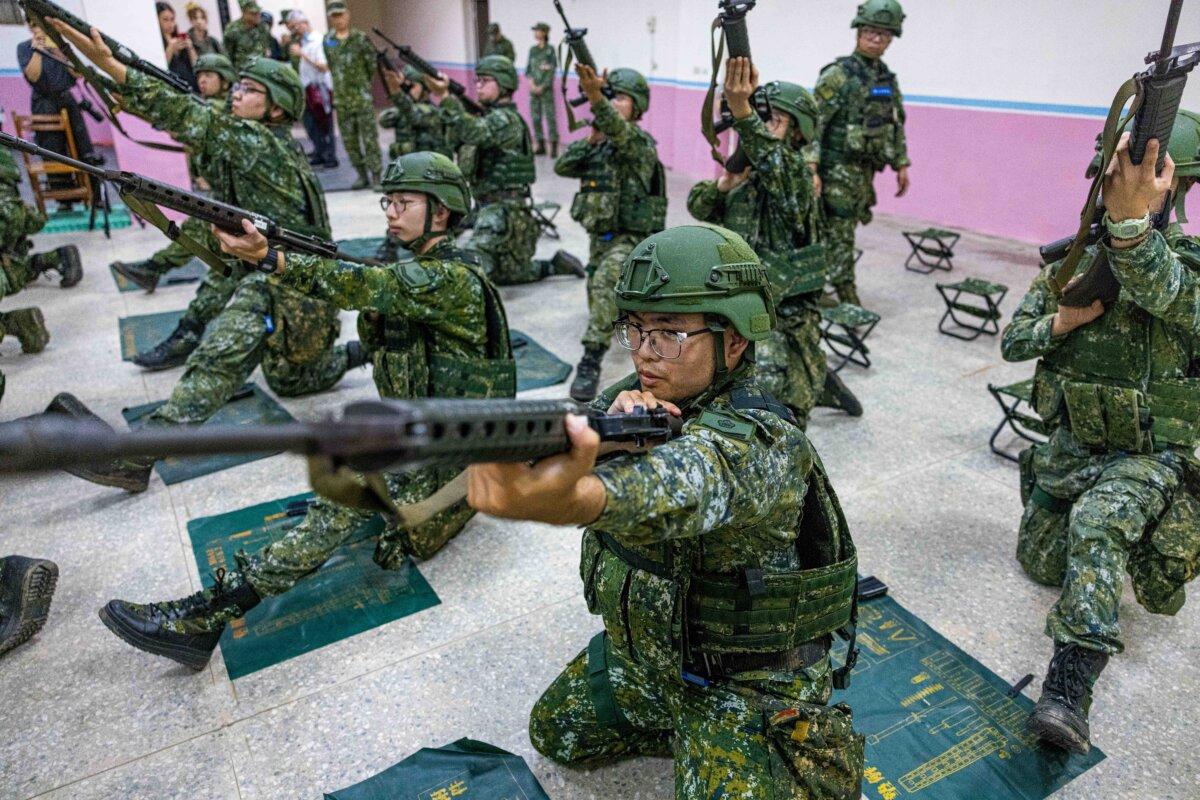
Taiwanese Premier Cho Jung-tai on Nov. 25 rejected a call by Chinese Communist Party (CCP) leader Xi Jinping for Taiwan to “return to China,” saying that is not an option for his country.
“We must once again emphasize that the Republic of China, Taiwan, is a fully sovereign and independent country,” Cho said outside the parliament in Taipei. “For the 23 million people of our nation, ’return' is not an option - this is very clear.”
The Republic of China is the official name of Taiwan. Under the Taiwanese system, the premier, who is appointed by the president, is in charge of day-to-day government, while defense and foreign relations generally fall within the president’s purview.
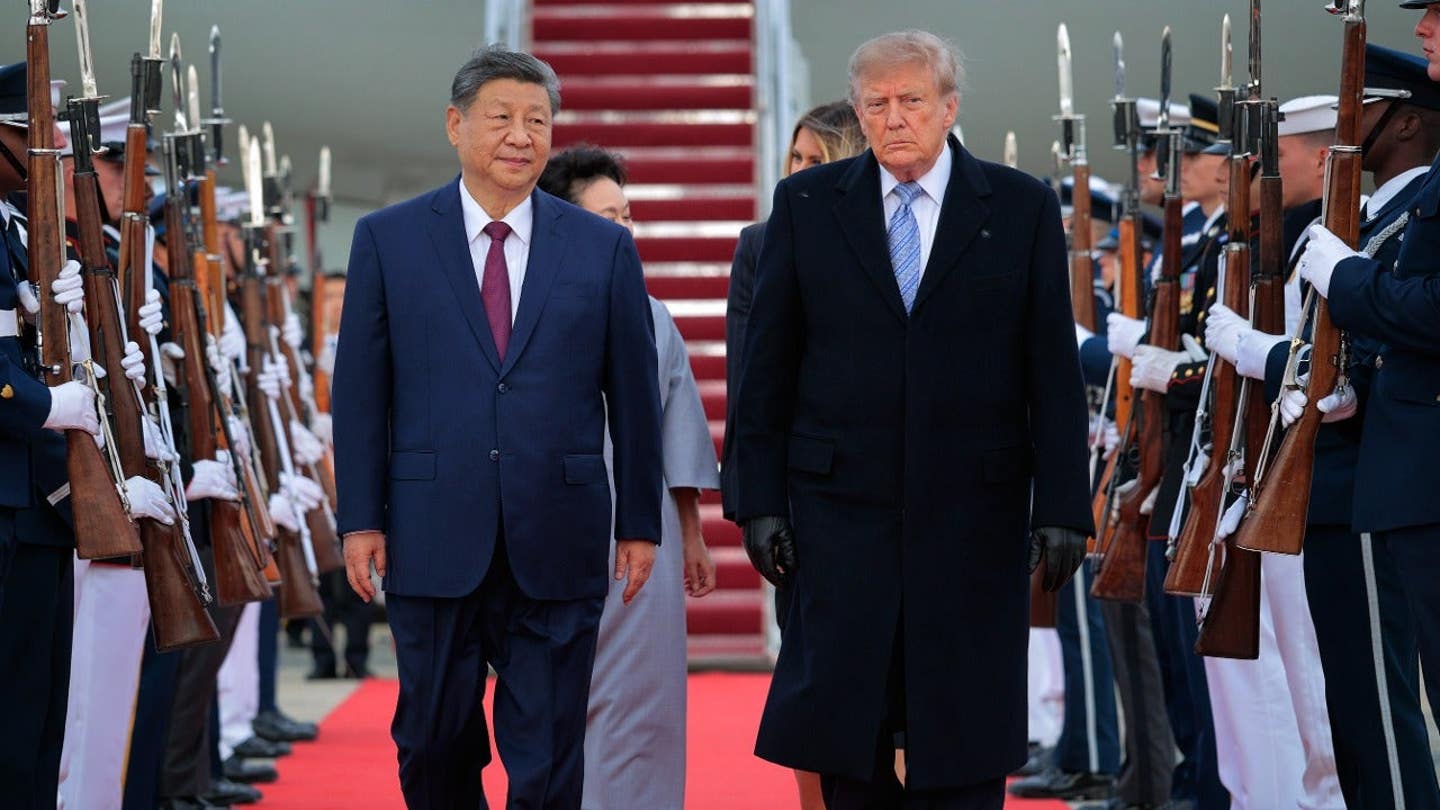
Xi was quoted as saying by China’s official Xinhua news agency that China and the United States should work together to “safeguard the outcomes of World War Two” and that “Taiwan’s return to China is an integral part of the post-war international order.”
The Chinese Communist Party (CCP), which has never ruled Taiwan, claims the self-governed democracy as its own territory, to be taken by force if necessary.
The two leaders also discussed the Ukraine crisis, according to the Chinese summary of the meeting. Xi hoped that a binding agreement could be reached among the various sides of that conflict, according to the readout.
“I just had a very good telephone call with President Xi, of China,” he wrote. “We discussed many topics including Ukraine/Russia, Fentanyl, Soybeans and other Farm Products, etc. We have done a good, and very important, deal for our Great Farmers — and it will only get better. Our relationship with China is extremely strong!”
.
Trump said that he had accepted Xi’s invitation to visit Beijing in April.
In response to Takaichi’s remarks, Beijing imposed a travel boycott on Japan.
.
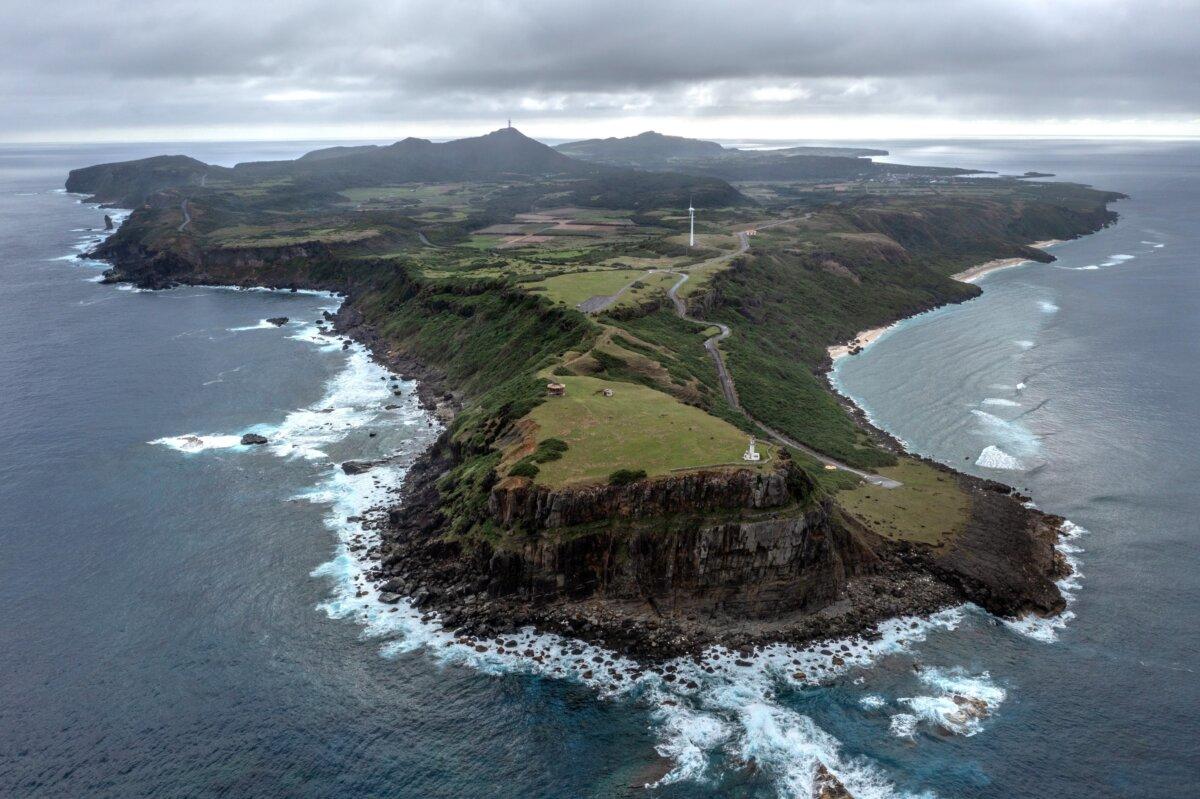
Tensions between Tokyo and Beijing deepened on Nov. 23 when Japan’s top defense official pledged to move forward with plans to deploy surface-to-air missiles to a military base near Taiwan.
The deployment on Yonaguni Island, just 68 miles off Taiwan’s east coast, would “reduce the likelihood of armed attacks on Japan,” Japanese Defense Minister Shinjiro Koizumi said while touring the Japan Self-Defense Forces base on the island.
.
Amid the simmering tension between Tokyo and Beijing, Washington last week reaffirmed the U.S.–Japan alliance and the opposition to attempts to alter Taiwan’s status through force or coercion.
What's Your Reaction?
 Like
0
Like
0
 Dislike
0
Dislike
0
 Love
0
Love
0
 Funny
0
Funny
0
 Wow
0
Wow
0
 Sad
0
Sad
0
 Angry
0
Angry
0














Comments (0)