

Taiwan’s ‘Baseball Diplomacy’ Exposes Failure of China’s Intimidation Tactics: Analysts


.
Beijing’s reactions to a senior Taiwanese official’s personal trip to Japan show that the regime’s attempts to isolate the self-ruled democracy are backfiring, experts say, as Taipei instead deepens its global diplomatic ties.
The Chinese regime’s Taiwan Affairs Office said on March 9 that Beijing firmly opposes Taiwanese Premier Cho Jung-tai’s private trip to Tokyo for a World Baseball Classic game between Taiwan and the Czech Republic.
Cho, who serves as Taiwan’s top Cabinet official, said this week that his self-funded visit to the March 7 match was entirely private.
He also dismissed domestic opposition allegations regarding the misuse of public funds.
The rare move marks the first time a sitting Taiwanese premier has visited Japan in over half a century, following the cessation of official ties between Taipei and Tokyo.
“From China’s perspective, banning all contact between Taiwan and Japan is essential, making the visit of a Taiwanese premier highly symbolic regardless of whether the travel is private or public,” Wang told The Epoch Times.
Li Shih-hui, professor at National Chengchi University’s College of International Affairs, said Japan’s approval of the visit could send a wider signal across the Indo-Pacific.
“Other nations in the region, including South Korea and Southeast Asian countries, might follow Japan’s lead, which would significantly impact Taiwan’s international space and Beijing’s attempts to isolate the island,” Li told The Epoch Times.
Taiwan is a self-ruled democracy that has never been governed by the Chinese Communist Party (CCP), although Beijing continually claims the island as its own territory and has not ruled out the use of force to annex it.
.
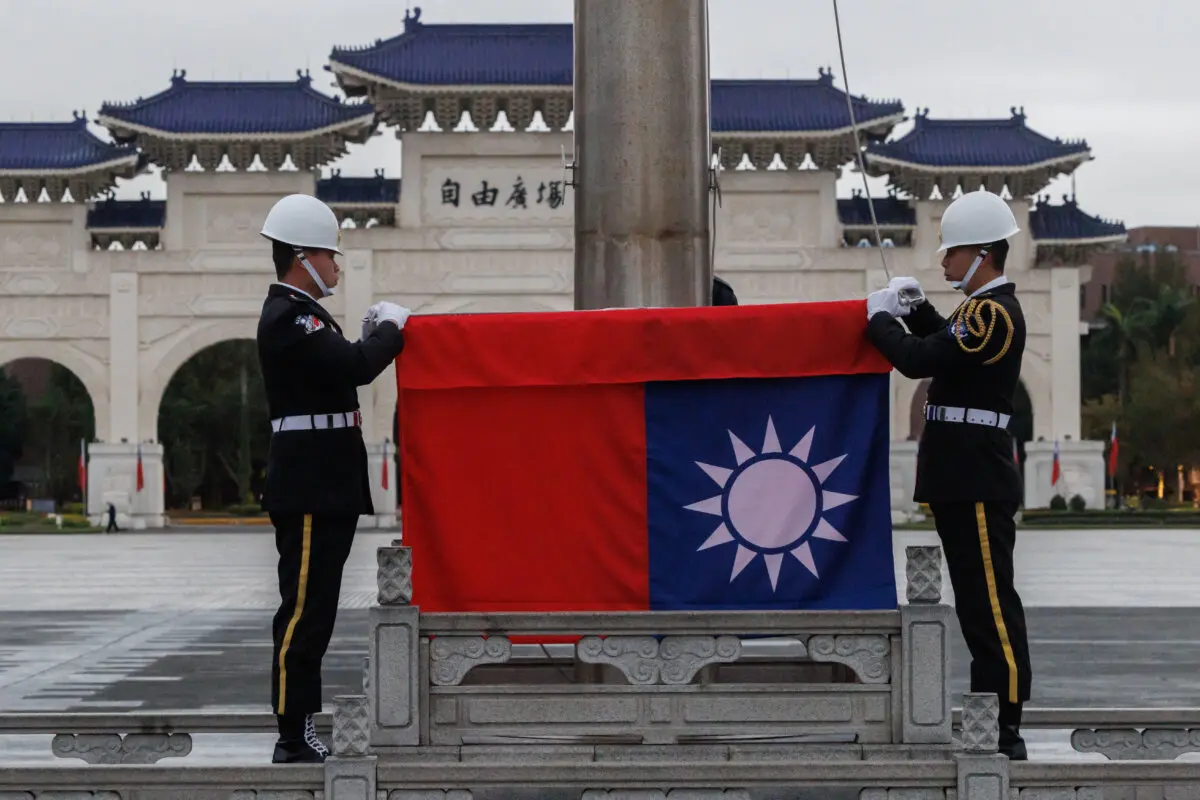
Taiwan's national flag is raised in Taipei on Dec. 30, 2025, during an early morning ceremony following China's People's Liberation Army saying it would conduct live-fire drills in five areas around Taiwan. Cheng Yu-chen / AFP via Getty Images
.
Wang said issuing this condemnation is a mandatory move for Beijing to maintain domestic stability and feed its propaganda machines at home and abroad.
Taiwan Goes Global
Beyond the premier’s recent visit, Taiwan’s President Lai Ching-te traveled to Japan in 2022 as vice president to attend former Japanese Prime Minister Shinzo Abe’s funeral, the highest-level visit by a Taiwanese official to the country in decades.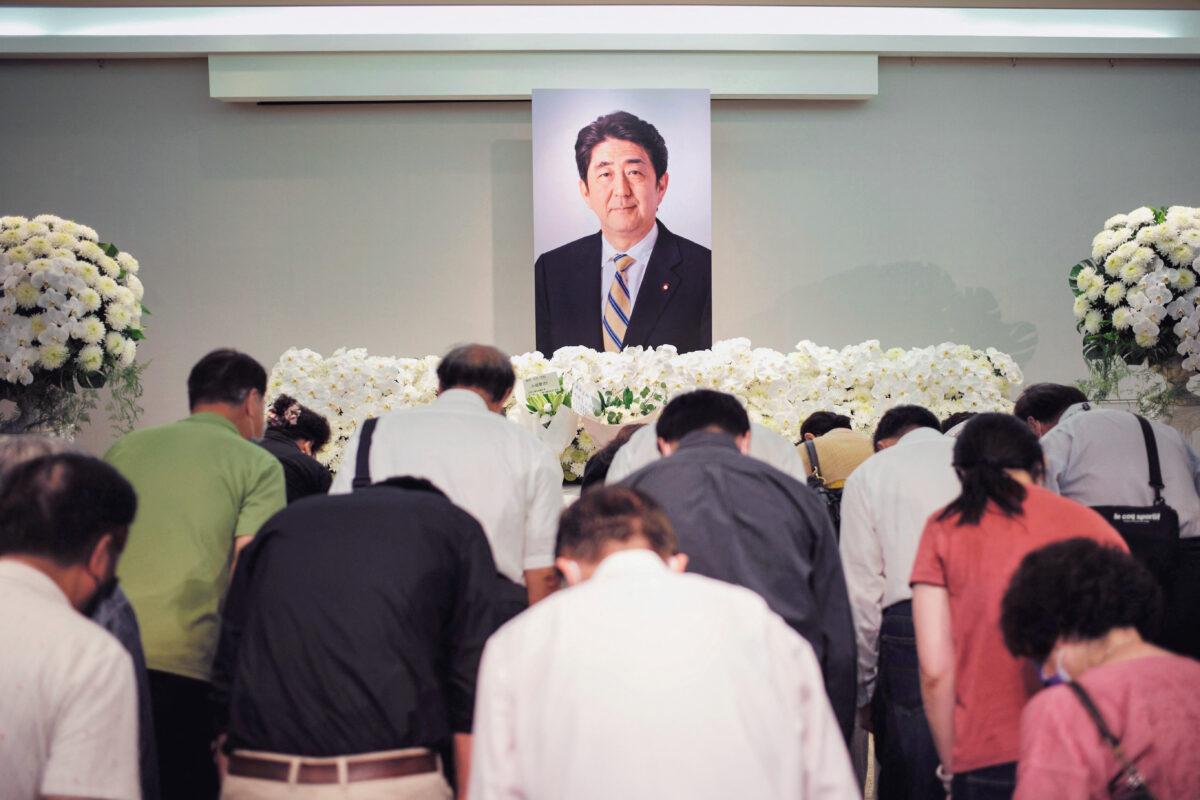
Taiwan’s Foreign Minister Lin Chia-lung made an unofficial trip to Tokyo in July, becoming the first to call on the Taipei Economic and Cultural Representative Office in Japan.
Li, who also serves as a director of the Abe Shinzo Research Center in Taipei, said the growing diplomatic momentum indicates ties between Taiwan and Japan are shifting from purely economic connections toward coordinated political and strategic relations, while pro-China factions within Japanese politics rapidly decline.
“Japanese policymakers increasingly support a realistic approach to national security and prioritize strategic cooperation with Taiwan, clearing the way for higher-level political interactions between the two sides,” Li said.
Wang said that although Cho’s itinerary was a personal trip, Japan’s willingness to host the Taiwanese premier demonstrates a desire to show Taipei respect regardless of Beijing’s reaction.
“Even though Japan does not officially recognize Taiwan, it is practically a sovereign state that deserves to be received normally, and this approach shows the gradual normalization of bilateral relations,” Wang said.
Li said a few nations in the Indo-Pacific, such as Japan, are increasingly taking an active stake in Taiwan’s security, highlighting a growing trend where the island’s status is treated as a global issue rather than a matter dictated solely by Beijing.
“Since Takaichi said that a Taiwan crisis might constitute a survival-threatening situation for Japan, we have seen that Beijing can no longer just negotiate the Taiwan issue with Washington alone, but must now also deal with Tokyo, “ Li said.
Sanctions Lose Bite
Adding to the backlash over the visit, Beijing said Japan “will pay a price” for allowing what the regime described as “provocations and reckless actions.”But Li said the CCP’s typical retaliatory mix of targeted military drills and trade restrictions will likely fail against Japan, shifting the focus to how Tokyo handles emerging digital threats.
“China historically conducted limited cognitive warfare against Japan, but the rise of artificial intelligence (AI) has driven a recent surge in social media accounts targeting Takaichi’s administration, making Tokyo’s response critical to watch,” Li said.
.
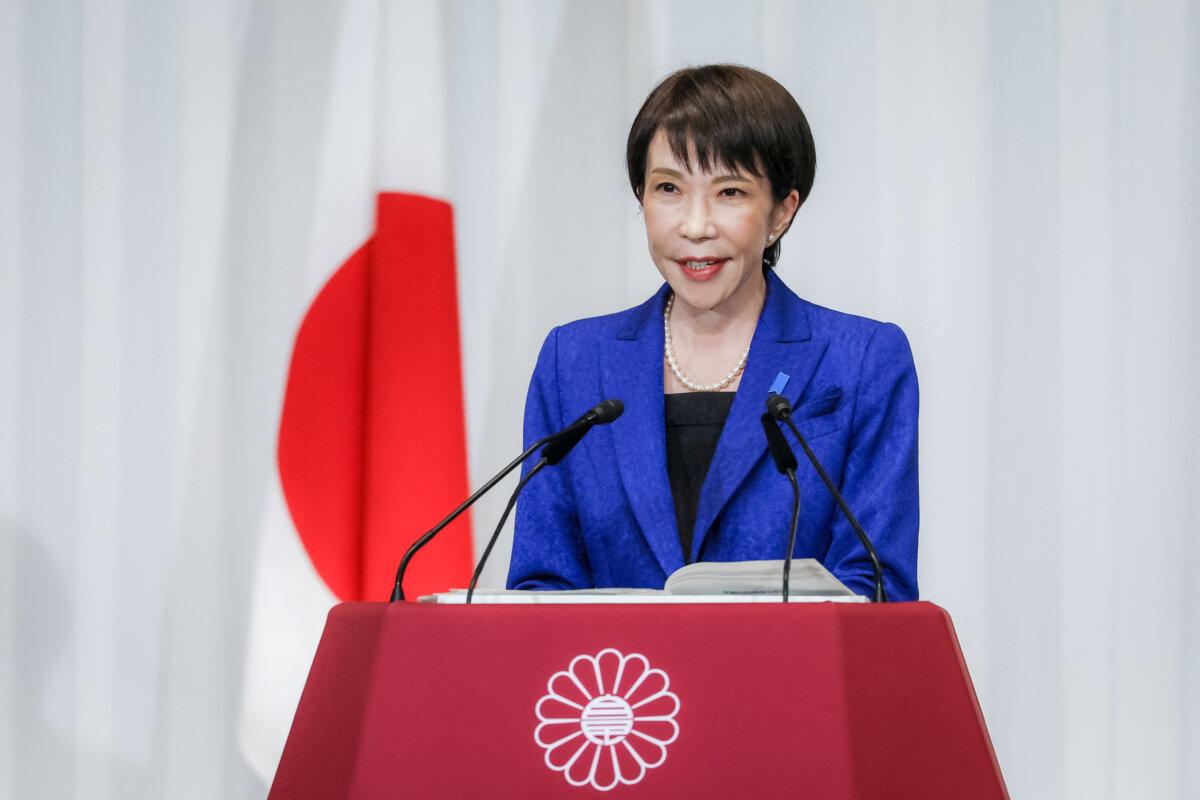
Japanese Prime Minister Sanae Takaichi, leader of the ruling Liberal Democratic Party, speaks at party headquarters in Tokyo on Feb. 9, 2026. Franck Robichon/AFP via Getty Images
.
Wang said Beijing might also impose diplomatic restrictions on Tokyo, most likely by disrupting Japan’s participation in the Asia-Pacific Economic Cooperation (APEC) summit in November.
“Because the APEC summit will be hosted in Shenzhen in China this year, Beijing could use various tactics to harass Japanese officials, block them from attending ministerial and preparatory meetings, or even exclude Japan from the main summit entirely,” Wang said.
However, Wang agreed with Li’s assessment and said Beijing has very few effective punitive options left to deploy against Tokyo, rendering any potential military or economic actions largely ineffectual.
“Nothing Beijing does will break the current Taiwan-Japan relationship, and making a huge fuss over such weak measures will only humiliate the CCP, “ Wang said.
“It will turn the Chinese regime into an international laughingstock.”
.
What's Your Reaction?
 Like
0
Like
0
 Dislike
0
Dislike
0
 Love
0
Love
0
 Funny
0
Funny
0
 Wow
0
Wow
0
 Sad
0
Sad
0
 Angry
0
Angry
0













Comments (0)