

Saudi Oil Tankers Reverse Course in the Red Sea as Houthi Blockade Threat Escalates Middle East Energy Crisis
Two oil tankers carrying Saudi crude for China and India abruptly reversed course in the Red Sea on Tuesday after Yemen's Houthi militia threatened to attack ships serving Saudi ports. The move adds a second major chokepoint risk to global oil markets already strained by the closed Strait of Hormuz, while Beijing has responded with carefully worded caution rather than concrete action.

.
Tankers Turn Back Mid-Voyage
Two loaded oil tankers changed course in dramatic fashion this week. The Xin Long Yang, a supertanker that had just picked up two million barrels of Saudi crude at the port of Yanbu, was bound for China. Instead of exiting the Red Sea through its southern gateway, it turned around and headed for the Suez Canal.
A second, smaller tanker, the Rodos, carrying roughly 700,000 barrels for India, made the same maneuver. A third ship due to load at Yanbu later this week also turned back before entering the Red Sea at all. None of the shipping companies involved responded to requests for comment.
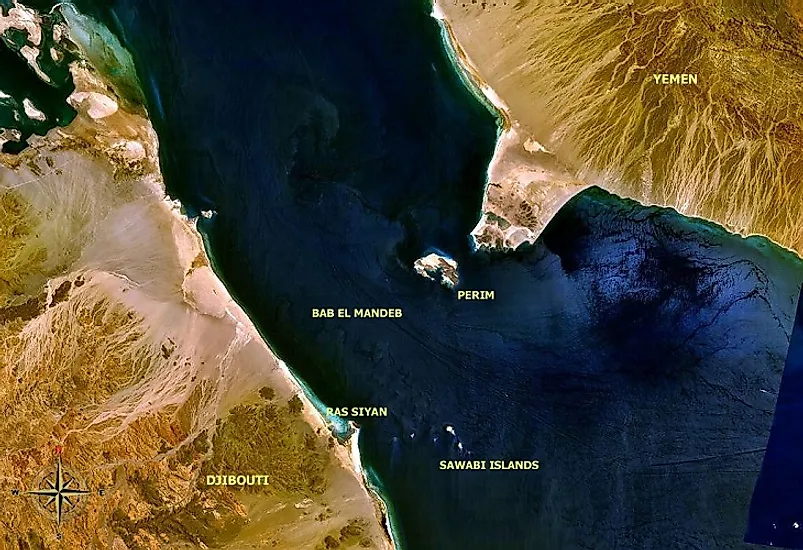
The reversals mean these vessels now face a far longer journey — through the Suez Canal and around the Mediterranean — rather than the direct route south through the Bab el-Mandeb strait, the narrow chokepoint at the Red Sea's mouth. Shipbroker Clarksons estimated that around ten crude tankers pass through that strait every day in normal times.
.
Why the Houthis Are Targeting Saudi Shipping
The trigger was a blockade declaration. Yemen's Iran-aligned Houthi militia, which controls Yemen's Red Sea coastline, announced on Monday that it would treat any vessel loading or discharging cargo at Saudi ports as a target — "in any location," according to a warning email sent to shipping firms.
The move follows a sharp deterioration in a truce that had held since 2022. The Houthis accused Saudi Arabia of striking Sanaa's airport in an attempt to intercept a flight carrying Houthi officials home from Iran. Riyadh has firmly denied imposing any blockade of its own, with a spokesman for the Saudi-led coalition calling the Houthi accusations "disinformation."
The United Nations has urged restraint. A spokesman for Secretary-General António Guterres called for immediate de-escalation and dialogue between the parties.
.
A Second Chokepoint Crisis on Top of Hormuz
The timing makes this especially dangerous for global energy markets. The Strait of Hormuz, the Gulf's main oil artery, has already been closed amid the ongoing war between the United States, Israel and Iran. That closure forced Saudi Arabia to reroute much of its crude through Yanbu on the Red Sea instead — exports through that port have reportedly quadrupled compared with pre-war levels.
If the Houthis can meaningfully restrict Red Sea traffic as well, Saudi Arabia would lose both of its major export routes at once. Analysts note some cargo could still move north via Egypt's SUMED pipeline or partial loading through Suez, but neither offers full capacity. War-risk insurance premiums for vessels calling at Saudi ports have already begun climbing.
.
China's Cautious, Calculated Response
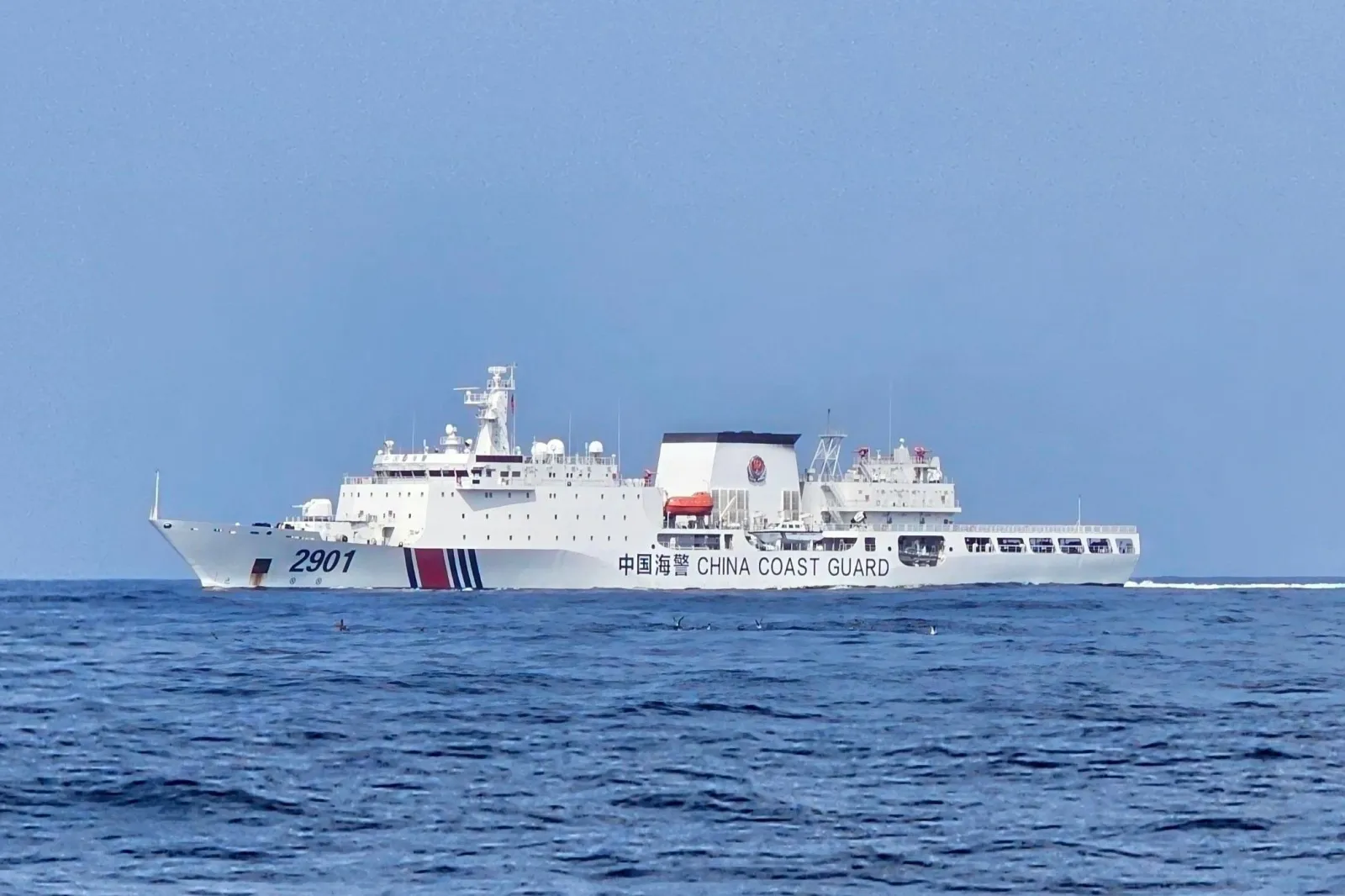
Beijing's reaction has been notably restrained given how directly Chinese-bound cargo is affected. Foreign ministry spokesperson Lin Jian told reporters that China opposes attacks against civilian facilities and that the sovereignty and security of Saudi Arabia and other regional states should be respected. He added that Beijing favors resolving the dispute through political and diplomatic channels.
What China notably did not do is call out the Houthis by name, threaten any consequences, or offer to help protect shipping lanes its own economy depends on. This fits a familiar pattern: Beijing has previously reached informal understandings with the Houthis to keep Chinese-flagged vessels out of the crossfire, while offering little beyond boilerplate diplomatic language when the wider shipping industry — including tankers bound for Chinese ports — comes under threat. For a government that positions itself as a guarantor of global trade stability, the response looks more like risk management for its own fleet than genuine leadership on a crisis affecting the entire world economy.
.
Washington's Position
The Trump administration, already engaged in the broader confrontation with Iran that triggered the Hormuz closure, now faces a widening front. The Houthi blockade threat opens what analysts at the Atlantic Council describe as a new dimension of the conflict, one that could further squeeze global energy supply just as diplomatic channels between Washington and Tehran were showing signs of life. The administration has previously shown it is willing to act decisively against Houthi threats to shipping, having ordered strikes against the group in 2025 before easing off at Saudi Arabia's request. Whether a similar response follows this time will likely depend on how far the blockade threat translates into actual attacks on tankers.
.
What Comes Next
For now, Yanbu port continues to operate, and vessels already close to the Red Sea are still completing deliveries. But shipping companies are clearly not waiting to find out whether the Houthi threat is genuine. With insurers already repricing risk and tankers rerouting mid-voyage, the practical effect of the blockade announcement is already being felt — regardless of whether a single ship is ever actually attacked.
.
Sources:
- Reuters – "Two tankers carrying Saudi crude make U-turns in Red Sea after Houthi warning," July 21, 2026: https://www.reuters.com/world/middle-east/two-tankers-carrying-saudi-crude-make-u-turns-red-sea-after-houthi-warning-2026-07-21/
- The National – "Two tankers carrying Saudi oil U-turn in Red Sea after Houthi threats": https://www.thenationalnews.com/news/gulf/2026/07/21/saudi-arabia-rejects-houthi-maritime-embargo-threat-and-warns-of-red-sea-escalation/
- Atlantic Council – "The Houthis just announced a blockade on Saudi Arabia. What does it mean for the global economy?": https://www.atlanticcouncil.org/dispatches/the-houthis-just-announced-a-blockade-on-saudi-arabia-what-does-it-mean-for-the-global-economy/
- Shipping Telegraph – "Yemen's Houthis declare maritime navigation blockade on Saudi Arabia" (Chinese Foreign Ministry statement): https://shippingtelegraph.com/shipping-reports/yemens-houthis-declare-maritime-navigation-blockade-on-saudi-arabia/
.
What's Your Reaction?
 Like
0
Like
0
 Dislike
0
Dislike
0
 Love
0
Love
0
 Funny
0
Funny
0
 Wow
0
Wow
0
 Sad
0
Sad
0
 Angry
0
Angry
0













Comments (0)