

Hello Kitty Bows to Beijing: How a Japanese Spy Drama Became the Latest Test of Corporate Courage
Sanrio, the company behind Hello Kitty, has apologized and cancelled a merchandise partnership with the Japanese TV thriller VIVANT after pressure from Chinese state media and social media users. The show features a fictional Chinese intelligence agency that tortures Japanese agents. The case came just days after French football star Kylian Mbappé apologized for a joke about Mao Zedong, and it shows how far Beijing’s pressure now reaches into pop culture.

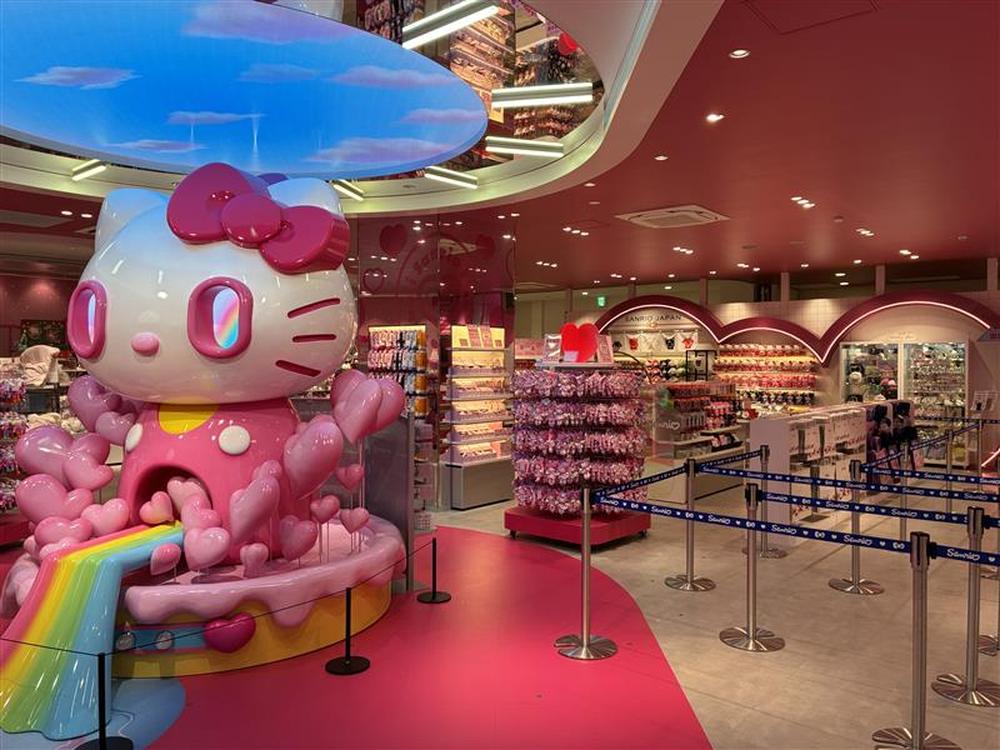
.
A Cute Brand Meets a Dark Storyline
VIVANT is a hit spy series from Japanese broadcaster TBS, also available on Netflix. It follows Japanese agents and a terrorist group called Tent. The second season, now airing, includes scenes in which a fictional Chinese intelligence agency captures and tortures Japanese operatives.
Sanrio had released a line of soft toys in which Hello Kitty and other characters were dressed as spies from the show. Chinese social media users reacted angrily for days. The criticism grew sharply this week when Chinese state media joined in.
Global Times, a newspaper run by the Chinese Communist Party, said the show "smears China." It also warned Sanrio that it could lose far more than short-term sales by working with what it called Japan's political right.
The Apology
Late on Wednesday, 28 October, Sanrio announced on the Chinese platform Weibo that it was ending the project. The company said it "deeply apologized" for the concern caused. It said the collaboration contained expressions that did not match its corporate philosophy, and it cancelled all follow-up products and promotions.
China Daily reported that Sanrio also promised to strengthen its review process for future partnerships.
The apology did not satisfy everyone. According to Global Times, some Chinese internet users demanded that Sanrio publish the same statement on its international channels.
TBS defended the series. Its president, Masamine Ryuho, said the show is entirely fictional and is not meant to disparage any country. A spokesman for China's foreign ministry nevertheless called the drama part of an effort to "vilify and smear China" and said it should concern the international community.
A Pattern Foreign Companies Know Well
Sanrio is far from the first company to be forced into a public apology. In 2018, Dolce & Gabbana cancelled a Shanghai fashion show after an advertising backlash. In 2021, H&M, Nike and Adidas faced attacks over remarks about labor conditions in Xinjiang.
The Sanrio case came right after another episode. Chinese sponsors cut ties with Mbappé after he joked about Mao, whom historians blame for millions of deaths. The Real Madrid forward apologized, and so did his club. Spanish football was also pulled from Chinese state television. Joking about Mao is effectively taboo in China, even though the same debate is open in free societies.
What stands out is the reach. The disputed material here was a fictional TV show broadcast in Japan, not a Chinese product or a statement about Chinese policy.
Why Japan Is in the Spotlight
Relations between Beijing and Tokyo have deteriorated since Japanese Prime Minister Sanae Takaichi said last year that an attack on Taiwan could trigger a Japanese military response. China claims Taiwan, a self-governed democracy, as its own territory and has not ruled out taking it by force.
Beijing has since urged its citizens not to travel to Japan. According to Reuters, it has also slowed exports of rare earths, minerals essential for cars, electronics and weapons. Taiwan's Liberty Times reported that Takaichi herself had recommended the drama.
Chinese state media have described the show as a product of Japan's "right-wing" politics. Critics of Beijing see a familiar tactic. Economic and cultural pressure is used to push companies abroad into self-censorship.
Business Reality: The Market Is Too Big to Ignore
The money explains much of Sanrio's response. Reuters reports that its China sales rose almost 25% in the first quarter to about 9.8 billion yen (roughly $62 million). Many Japanese companies depend on Chinese customers in a similar way.
The cancellation also had an unexpected effect. Breitbart reports that prices for the already-released VIVANT collaboration items have shot up on resale sites such as eBay.
Outlook
Companies that operate in China now face a hard question. They can accept restrictions on what they may say or support, or they can risk losing access to a huge market.
Japan's government has made no formal comment on the Sanrio decision so far. Whether other brands connected to VIVANT follow suit, or whether the case leads to wider debate in Japan about outside pressure on its media, remains to be seen.
.
Sources
- Reuters (via The Standard), "Hello Kitty maker Sanrio cuts ties with TV spy show after China backlash": https://www.thestandard.com.hk/china/article/346877/Hello-Kitty-maker-Sanrio-cuts-ties-with-TV-spy-show-after-China-backlash
- AFP (via The Standard), "Hello Kitty firm apologises, scraps Japan TV tie-up after China anger": https://www.thestandard.com.hk/china/article/346973/Hello-Kitty-firm-apologises-scraps-Japan-TV-tie-up-after-China-anger
- Tokyo Weekender, "Sanrio Cuts Ties With Vivant Amid China Backlash": https://www.tokyoweekender.com/entertainment/movies-tv/sanrio-cuts-ties-with-vivant-amid-china-backlash/
- Global Times (Chinese state media, for Beijing's perspective): https://www.globaltimes.cn/page/202610/1373192.shtml
- China Daily (Chinese state media), "Sanrio ends Vivant collaboration after backlash in China": http://global.chinadaily.com.cn/a/202610/29/WS6ae2b5a1e4b06d4aa0565d92.html
- Breitbart, "China Declares War on Hello Kitty over Japanese TV Collaboration": https://www.breitbart.com/asia/2026/10/29/china-declares-war-hello-kitty-over-japanese-tv-collaboration/
- Liberty Times (Taiwan): https://news.ltn.com.tw/news/world/breakingnews/5622248
.
What's Your Reaction?
 Like
0
 Dislike
0
 Love
0
 Funny
0
 Wow
0
 Sad
0
 Angry
0





Comments (0)