
Feeling Calmer After Cannabis? A New Trial Suggests Expectation May Do Much of the Work
A new randomized trial from Washington State University found that regular cannabis users felt just as relaxed after vaping a placebo as after vaping real THC. Their bodies, however, reacted differently depending on the dose. The researchers say the results point to a powerful role for expectation. They also show that “stress” is not one single thing in the body.
.
A Surprise for the Researchers
Many people say they use cannabis to unwind. Stress relief is one of the most common reasons users give. So when a team at Washington State University set out to test the idea in a controlled setting, they expected THC to beat the placebo.
It did not. Lead author Carrie Cuttler, a psychology professor, and her colleagues reported that [1] there was no evidence that cannabis reduced self-reported stress more than a placebo did. The study appeared in the journal Neuropsychopharmacology in 2026 [1][2].
.
How the Study Worked
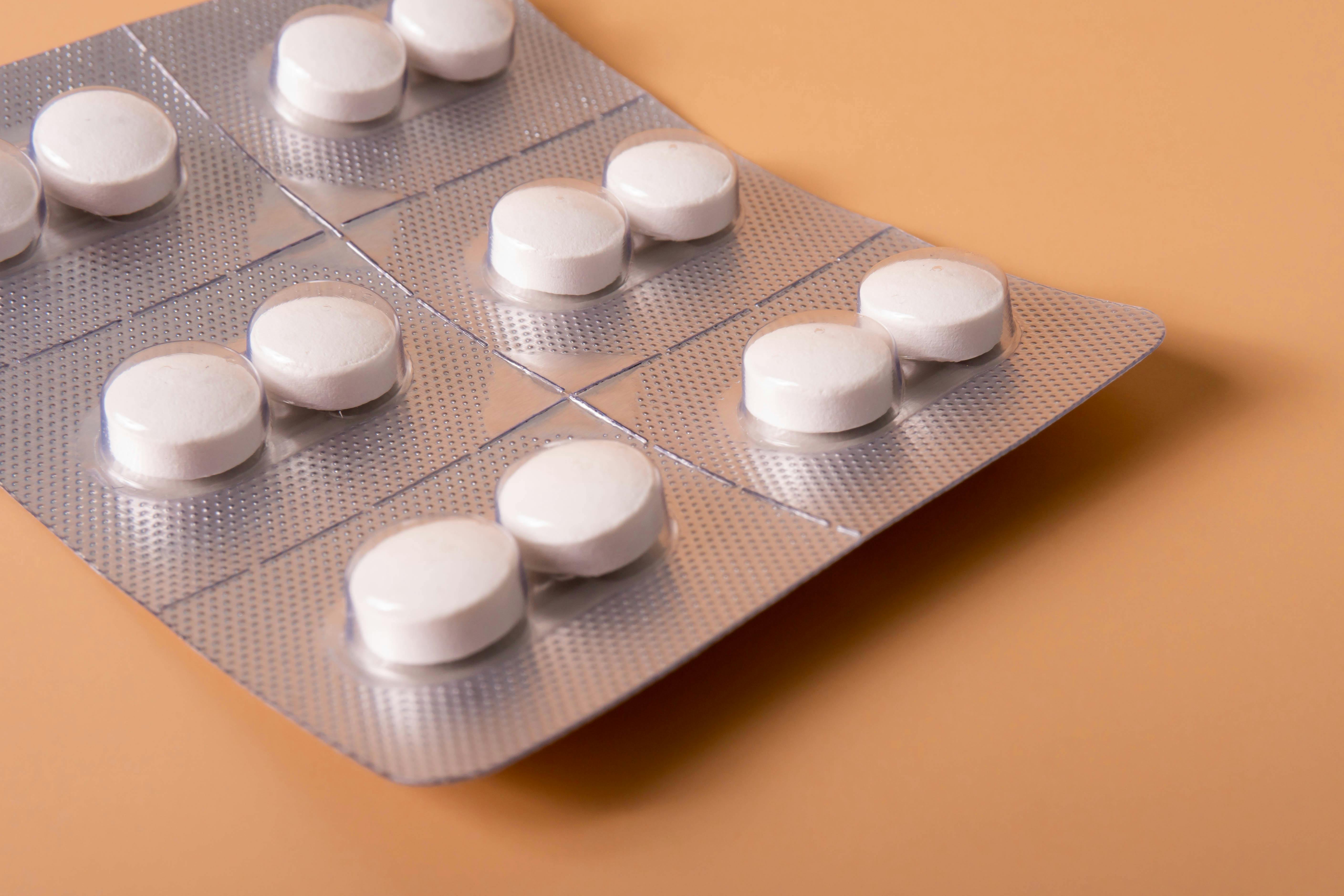
The trial included 120 regular cannabis users. Each was randomly placed in one of three groups: a placebo, a 20-milligram dose of THC, or a 40-milligram dose of THC [1].
The study was "double-blind." Neither the participants nor the researchers knew who received what [2]. This design is considered the gold standard for testing whether a substance really works or whether people simply believe it does.
Participants rated their stress before and after vaping. The researchers also measured stress-related signals in the body, including the hormone cortisol, heart rate and skin conductance (tiny changes in sweat-gland activity that reflect nervous-system arousal) [1].
.
The Result: Everyone Felt Less Stressed
Across all groups, people reported feeling less stressed after vaping. This held true whether they inhaled a little THC, a lot of THC or no THC at all [1].
According to the researchers, the strongest evidence of stress relief in the whole study came from these self-reports. That is also where the placebo matched the real drug [1].
One example shows how strong expectation can be. One participant in the placebo group stopped inhaling because the effects felt too intense [1]. Cuttler stressed that placebo effects are very powerful, which is why a placebo group was essential to the design [1].
Her broader message to consumers is clear. The feeling that cannabis reduces stress may be largely a placebo effect, driven by what users expect it to do [2].
.
What the Body Showed
The physical measurements told a more complicated story. Different stress signals did not move together [1].
- Cortisol: Levels dropped significantly in THC users compared with the placebo group, but they rebounded fairly quickly [1].
- Skin conductance: The size of the response was lower among THC users, which points to lower nervous-system arousal [1].
- Heart rate: It rose among THC users, with a significant increase in the high-dose group compared with the placebo group [1].
The researchers also found that changes in cortisol had no link to how stressed people said they felt. Changes in sweat-gland activity were unrelated to heart rate, heart rate variability or reported stress [1][2].
In plain terms, a person can feel calm while parts of the body behave differently. Cannabis does not simply turn down the body's stress response. Its effects depend on which signal you look at [1].
.
How This Fits With Earlier Research
The new findings do not stand alone. They sit within a field where results have been mixed.
An earlier randomized trial gave healthy young adults a low 7.5-milligram dose of THC in capsules before a standardized stress test. It found reduced subjective distress compared with placebo. Higher doses, however, appeared to increase negative mood rather than relieve it [3].
Earlier WSU work looked at a different question. It found that daily cannabis users showed a blunted stress response compared with non-users. Their cortisol did not rise under stress the way non-users' did [4]. The researchers could not say whether this was a cause or a consequence of regular use. They also noted that leftover THC might play a role [4].
Another laboratory study found that regular users showed weaker emotional reactions to stress than non-users, with no difference in cardiovascular responses [5]. Together, these studies suggest the relationship between cannabis and stress is real but complex.
.
What This Does Not Show
The study has limits. It involved regular users only, so the results may not apply to people who rarely or never use cannabis. It also measured effects shortly after a single session in a laboratory.
The findings do not prove that cannabis is useless for everyone, and they do not settle whether it helps people with clinical anxiety. They show that, for regular users in this setting, the feeling of relief was not linked to the THC dose.
.
Why It Matters
Millions of people turn to cannabis to cope with daily pressure. This research suggests that part of the calming effect may come from belief and routine rather than from the drug itself.
That matters for health decisions. Anyone who relies on cannabis for stress should know that THC raised heart rate in this study and that the body's stress systems responded unevenly. Those who struggle with ongoing stress or anxiety can talk to a doctor about options with proven benefits.
More research is under way elsewhere, including trials that combine brain imaging with stress tests [6]. These may help clarify what cannabis really does during stress.
This article is for general information and is not medical advice.
.
Sources
- News-Medical.net, "WSU study reveals acute effects of cannabis on physiological stress-related outcomes" (Sept. 23, 2026): https://www.news-medical.net/news/20260923/WSU-study-reveals-acute-effects-of-cannabis-on-physiological-stress-related-outcomes.aspx
- ThePrint, "The placebo effect is strong, says study" (Sept. 24, 2026): https://theprint.in/science/cannabis-de-stresser-placebo-effect-strong-study/3051950/
- Childs E. et al., "Dose-related effects of delta-9-THC on emotional responses to acute psychosocial stress," Drug and Alcohol Dependence (PubMed): https://pubmed.ncbi.nlm.nih.gov/28599212/
- Neuroscience News, "Muted Stress Response Linked to Long Term Cannabis Use" (WSU research summary): https://neurosciencenews.com/muted-stress-cannabis-7204/
- PsyPost, "Habitual cannabis users show decreased affective responses to stress, study finds": https://www.psypost.org/habitual-cannabis-users-show-decreased-affective-responses-to-stress-study-finds
- Health Research BC, "Effects of Cannabis on Stress Response: A Double-Blind Randomized Placebo-Controlled Crossover Trial": https://www.healthresearchbc.ca/award/effects-of-cannabis-on-stress-response-a-double-blind-randomized-placebo-controlled-crossover-trial-nct05261321/
.
What's Your Reaction?
 Like
0
Like
0
 Dislike
0
Dislike
0
 Love
0
Love
0
 Funny
0
Funny
0
 Wow
0
Wow
0
 Sad
0
Sad
0
 Angry
0
Angry
0










Comments (0)