

Ottawa’s China Police Agreement Is With Same Organization Behind Secret Police Stations in Canada

.
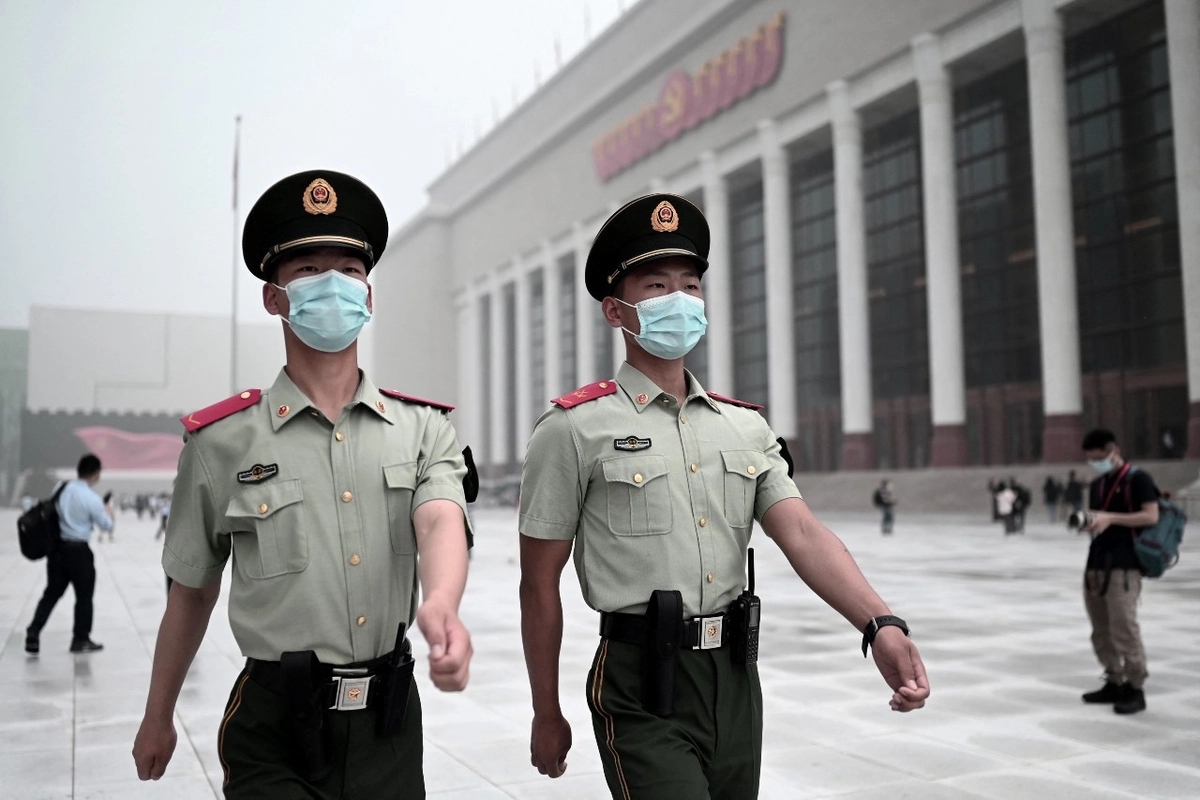
Ottawa’s recent agreement with Beijing on law enforcement cooperation involves the Chinese ministry that operated secret police stations across Canada, according to a former national director with the RCMP.
He was asked by Conservative MP Michael Cooper whether the government’s agreement on law enforcement cooperation between the RCMP and China’s Ministry of Public Security involves the same Chinese ministry that was involved in “operating several illegal police stations in Montreal, Toronto, and Vancouver to spy, harass, intimidate, and coerce diaspora communities.”
“Yes,” Clement responded. Cooper then asked whether it is accurate that “Beijing’s overriding consideration for law enforcement” is to advance the interests of the Chinese Communist Party (CCP).
“Law enforcement in China is part of the PRC [People’s Republic of China] apparatus,” Clement said. “You can’t separate them from the government, and they do not operate under the rule of law. I experienced it firsthand.”
The report also noted the stations target those sought by the Chinese regime, including dissidents and democracy activists.
Cooper asked Clement whether Canada is not an equal partner when cooperating with China, given that “we’re not dealing with a regime that respects the rule of law, due process, judicial independence, or other legal and ethical constraints that our law enforcement is bound by.”
Clement noted that Ottawa and Beijing are “not even close” to being equal partners.
“They have a totally different agenda than what we have ... and I don’t see how the RCMP can operate under this secret agreement,” he said, adding that the agreement is “flawed” and “dangerous” to Canada’s security interests.
Police Agreement
Ottawa’s agreement with Beijing on police cooperation was one of multiple accords Ottawa and Beijing signed during Prime Minister Mark Carney’s trip to China in January. While other agreements have been made public, the federal government has so far kept confidential the agreement on law enforcement cooperation and intelligence sharing.“Our law enforcement agencies will increase cooperation to better combat narcotics trafficking, transnational and cybercrime, synthetic drugs and money laundering – and create safer communities for people in both of our countries,” the office said.
‘Push Their Agenda’
Ten Hong Kong democracy activist groups have expressed concern about the agreement on law enforcement cooperation, saying Ottawa’s lack of transparency on the accord has intensified fears of Hong Kong diaspora communities.Cooper asked Clement whether he thought the concerns of the diaspora communities are valid.
“Absolutely. In fact, that’s the reason I believe the police stations were set up here in the first place. It’s to push their agenda,” Clement told MPs. “We have to understand that they have a number of United Front organizations operating in this country, which also support anything that the alleged police stations would do.”
What's Your Reaction?
 Like
0
Like
0
 Dislike
0
Dislike
0
 Love
0
Love
0
 Funny
0
Funny
0
 Wow
0
Wow
0
 Sad
0
Sad
0
 Angry
0
Angry
0











Comments (0)