

Hong Kong Student Arrested After Launching Petition Over Deadly Fire


.
Kwan’s petition laid out four demands: secure housing for survivors, establish an independent inquiry, review construction-safety oversight, and hold government officials accountable for regulatory failures.
Speaking to AFP on Nov. 28, Kwan described his demands as “very basic.”
“If these ideas are deemed seditious or ‘crossing the line,’ then I feel I can’t predict the consequences of anything anymore,” he said. “I can only do what I truly believe.”
Beijing Warns Protesters
China’s national security office in Hong Kong issued a sharp warning on Nov. 29, vowing to take a “hard stance” against anyone who used the disaster to create unrest.It warned individuals not to use the fire to “plunge Hong Kong back into the chaos” of 2019, when pro-democracy protesters challenged the Chinese Communist Party’s regime, leading to a political crisis.
“We sternly warn the anti-China disruptors who attempt to ‘disrupt Hong Kong through disaster.’ No matter what methods you use, you will certainly be held accountable and strictly punished,” authorities said.
.

Deadly Fire Prompts Anger, Questions
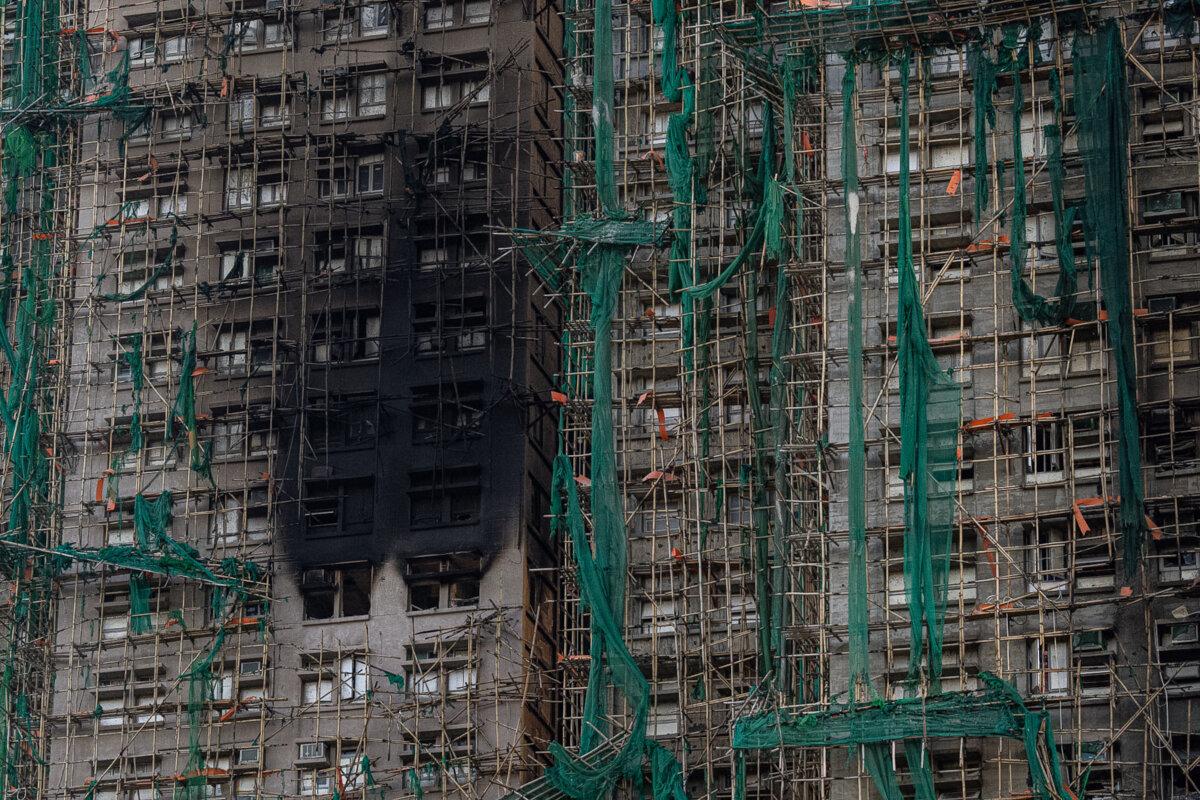
The blaze, which began on Nov. 26, tore through the Wang Fuk Court housing complex in Tai Po District and burned for more than 43 hours. The buildings—four decades old and wrapped in bamboo scaffolding and green protective netting for renovation—left residents trapped inside. Many windows had been sealed with foam boards to block noise and dust, making it difficult to detect the smoke outside.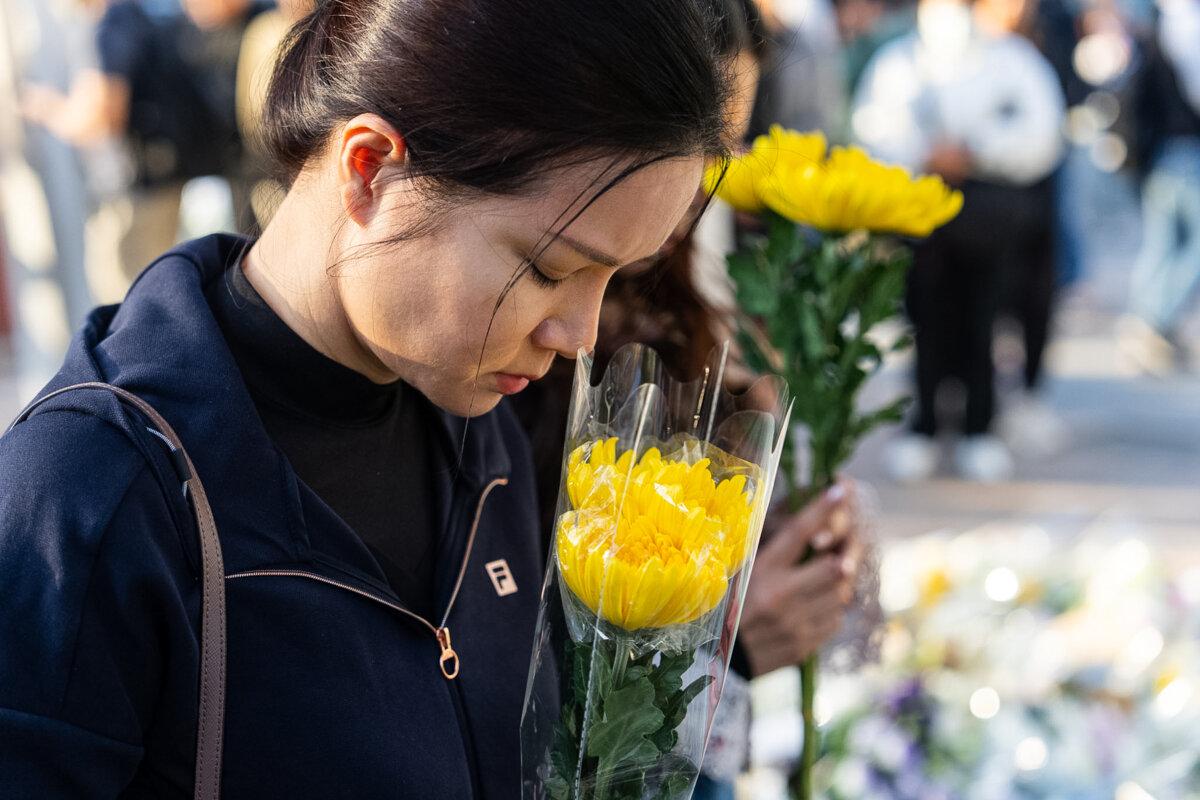
City Mourns Amid Political Tensions
Across Hong Kong, thousands of residents have visited makeshift memorials to pay their respects. Community centers have been filled with flowers, condolence books, and people quietly wiping away tears.Public grief is deep, but frustration is also simmering. Many mourners said they were devastated by the scale of the tragedy but hesitant to comment on the political fallout.
.
As Hong Kong struggles with the enormous human toll of the disaster, the arrest of a petition organizer has shifted the crisis into a new phase, one in which public mourning is increasingly entangled with fears about the boundaries of lawful expression under the National Security Law.
What's Your Reaction?
 Like
0
Like
0
 Dislike
0
Dislike
0
 Love
0
Love
0
 Funny
0
Funny
0
 Wow
0
Wow
0
 Sad
0
Sad
0
 Angry
0
Angry
0















Comments (0)