

Here’s How a New US-Led Mineral Alliance Could Sideline China

.
U.S. mining investment firm Cove Capital recently secured a major critical mineral project in Central Asia—a multibillion dollar deal to mine the world’s largest undeveloped tungsten deposit in Kazakhstan.
According to the company’s executive, the November 2025 deal, which involved a joint venture with a state run mining company, could serve as a blueprint for other agreements as Washington seeks to shore up critical mineral supply chains worldwide and reduce dependence on China.
The project was the result of “unprecedented” inter-agency cooperation, said Pini Althaus, managing partner of Cove Capital. That’s a key difference with the current administration, he added, even compared to President Donald Trump’s first term.
“In our project, you’ve had the president directly involved, Secretary Lutnick involved, Secretary Rubio involved. We’ve had special envoy Sergio Gor,” Althaus told The Epoch Times. “You’ve had people across the spectrum in terms of the different agencies engaged in this.”
The mining investment company received preliminary backing from two U.S. government financing agencies, totaling up to $1.6 billion. In return, Cove Capital agreed with the Department of Commerce to prioritize U.S. government and commercial needs.
Tungsten has the highest melting point of any metal. This critical mineral is essential in precision manufacturing for advanced industrial and defense use.
According to experts who spoke with The Epoch Times, the United States is likely to have more opportunities to secure strategic minerals as China’s price controls slip and Washington and Beijing compete more directly for mining access in other countries. Many such countries are imposing export controls and seeking to encourage in-country processing rather than shipping their raw materials to China for refining, as is the case today.
.
China’s Price Control Is Slipping
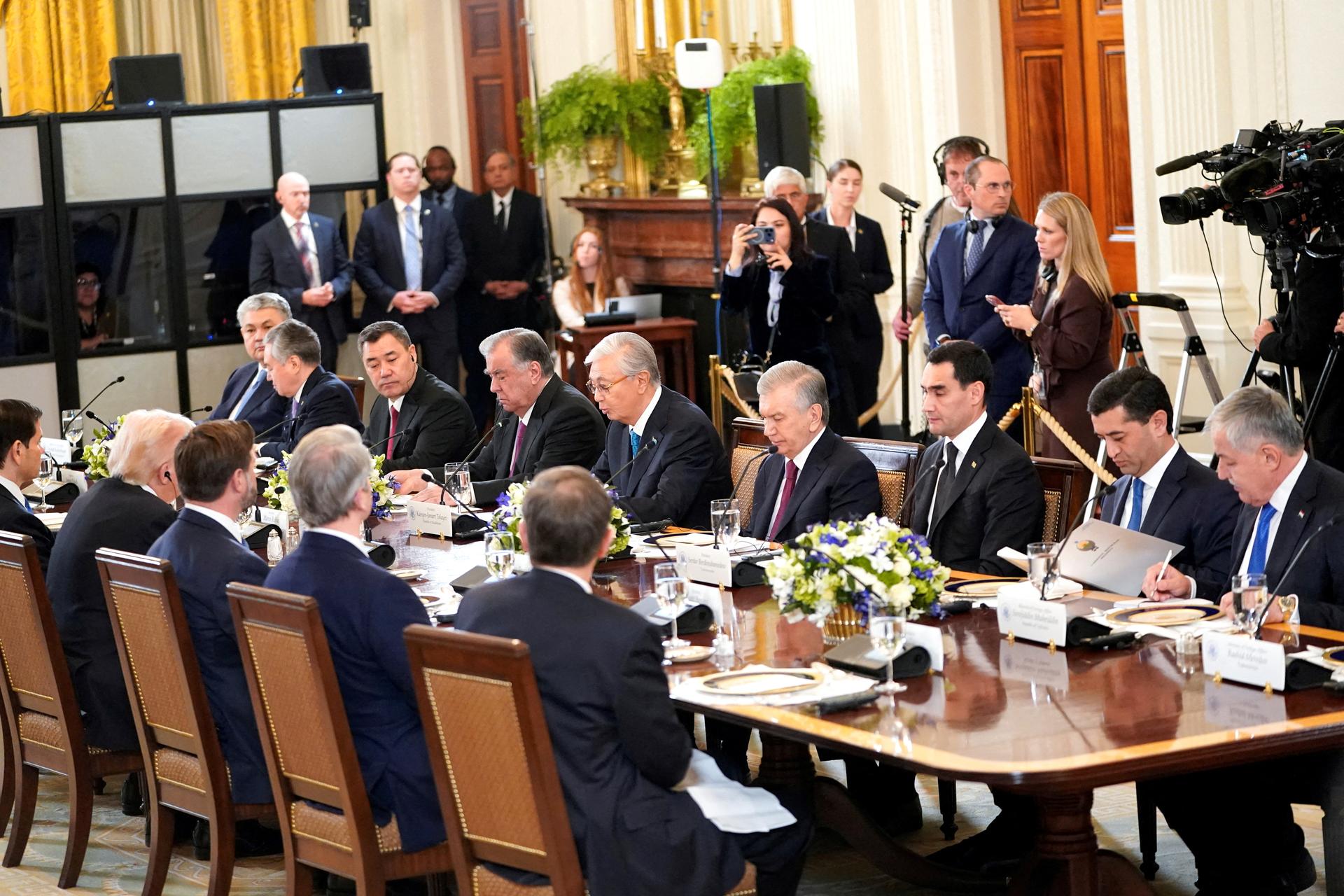
According to the United States International Trade Commission, China became a net importer of rare-earth ores and concentrates in 2019. Beijing has been using its Belt and Road Initiative—a massive global infrastructure investment project—to secure critical mineral supply chains worldwide, Althaus said.Its reliance on ore imports means that China may have “lost control of the mining process,” said Christopher Ecclestone, a mining strategist at financial advisory firm Hallgarten & Company. However, he added that China still dominates processing.
In Ecclestone’s view, China’s perceived control rests largely on its ability to influence prices—an advantage he describes as partly “smoke and mirrors.” In other words, Beijing heavily influences the information to which the industry has access.
Ecclestone recalled that two years ago, he had included in a presentation at an industrial conference in London that the Twinkling Star mine in China had seen a sharp decline in antimony output. Antimony is a strategic mineral essential for ammunition and energy storage.
The organizer, however, told Ecclestone that he couldn’t include the information. Ecclestone said that he was simply repeating what he had heard from the CEO of the Twinking Star mine at another public event.
“The Chinese are very good at maintaining pricing power by information and disinformation,” Ecclestone told The Epoch Times. “They send signals to the market, and their signals are listened to; not many other people’s signals are listened to.
“As long as the perception of dominance remains, dominance remains.”
To insulate against potential price shocks from China, the United States is exploring several mechanisms, including price guarantees, offtake agreements that commit purchases before production, equity stakes in mining projects, and coordinated tariffs on Chinese critical minerals with allied nations.
.
Stockpiling for Supply Chain Resilience
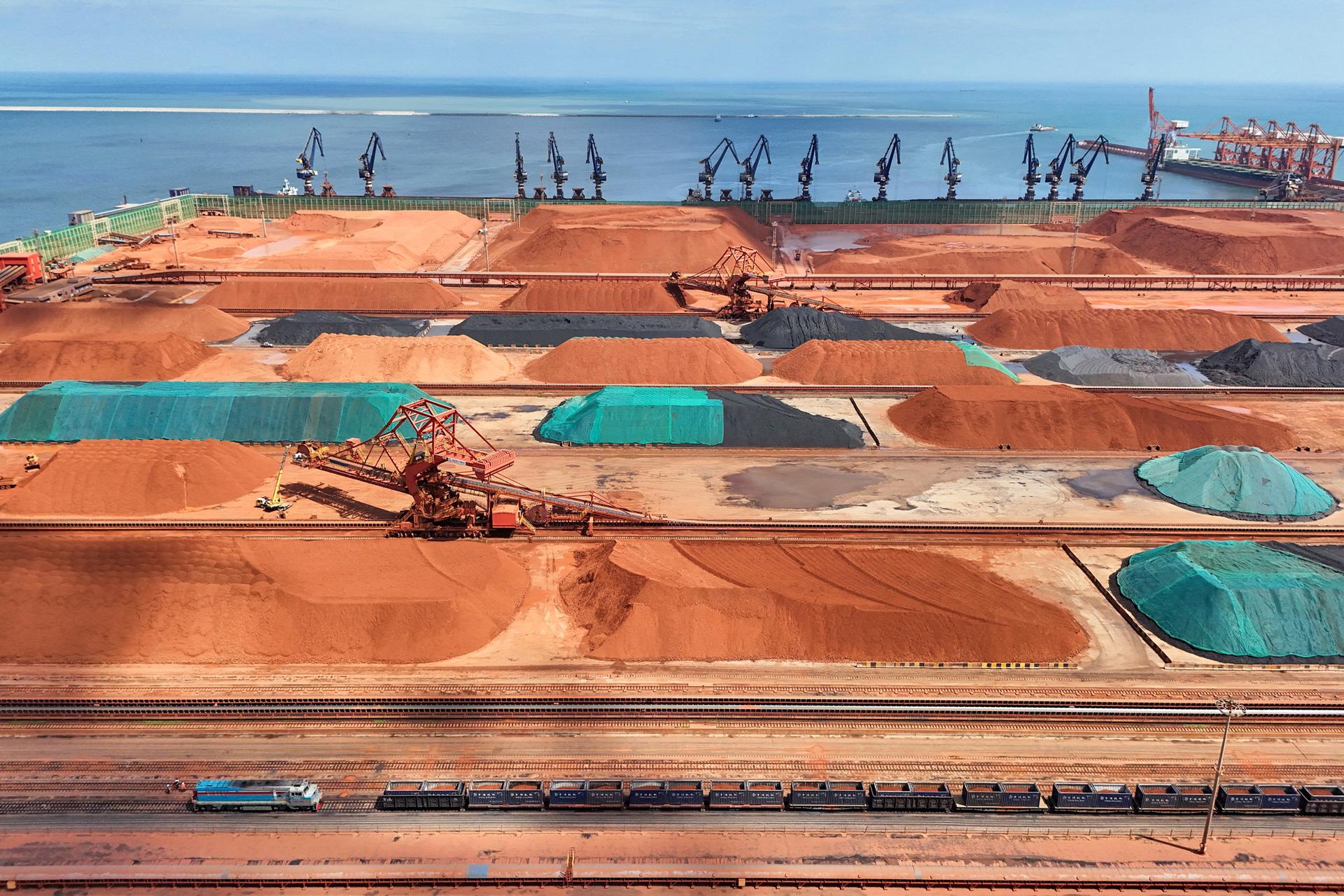
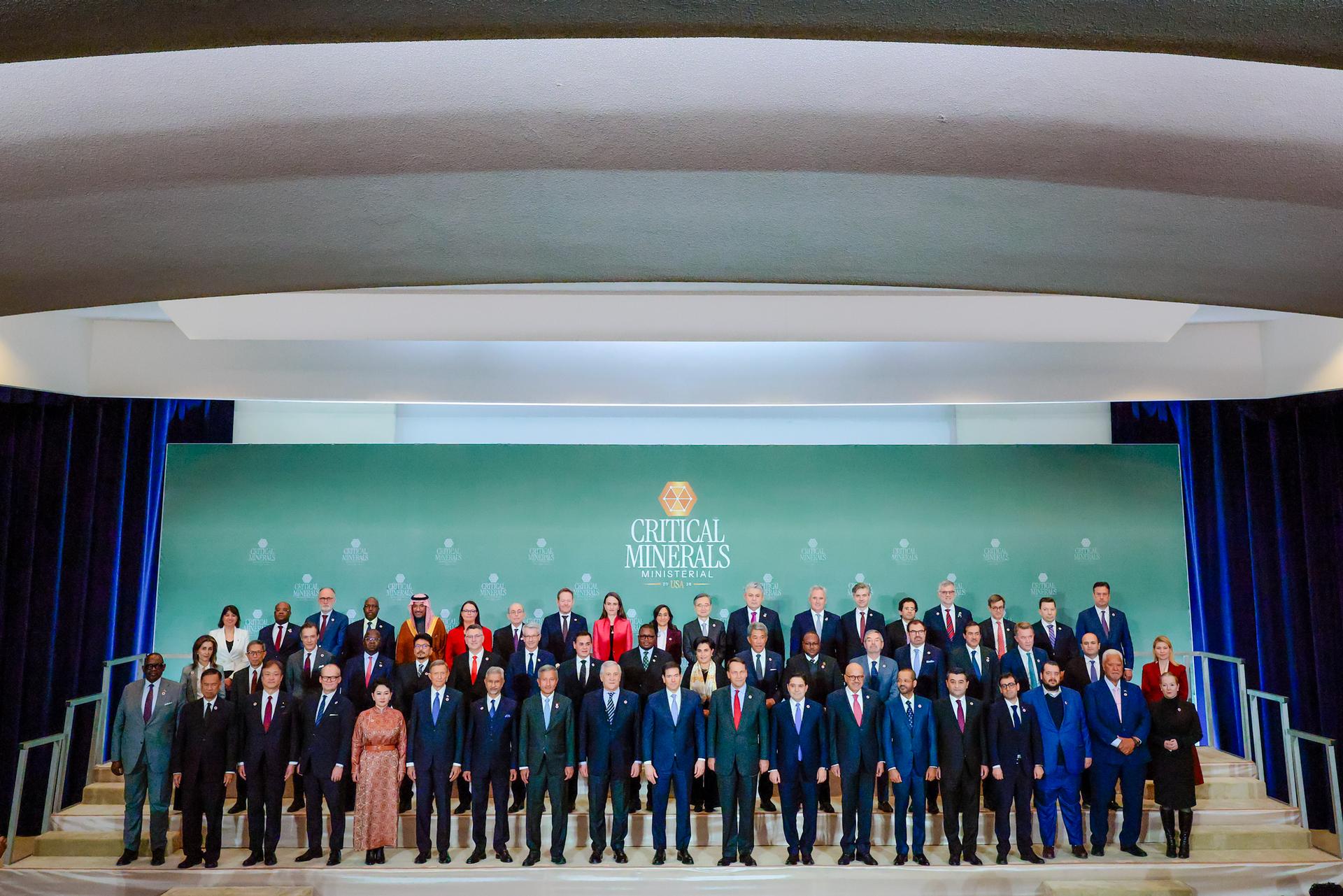
Cove Capital’s tungsten project was also highlighted as part of a group of landmark deals to secure strategic materials at the first-of-its-kind critical minerals ministerial hosted by the State Department on Feb. 4.Adam Webb, an analyst at London-based Benchmark Mineral Intelligence, described Project Vault as a “huge project.”
A $1 billion stockpile is enough to meet North American battery demand for 60 days, Webb said. Beyond battery minerals, 60 days’ worth of copper demand would add $3.7 billion and an additional $235 million for rare earths.
In a private client note, Benchmark also said that commodity trading houses—including Hartree Partners, Mercuria, and Traxys—had agreed to procure for Project Vault, indicating project readiness.
Webb told The Epoch Times that Project Vault could potentially “completely remove” China from the critical mineral supply chain for defense applications, which is “a fairly small sub-segment of demand.” Project Vault would also help reduce overall dependence on China, he added, but it is likely to take more than 10 years to achieve.
Project Vault gives the United States a lever to influence prices, said Chris Berry, president of House Mountain Partners, a Washington-based independent metals analysis consultancy.
.
US–China Competition
The world is also undergoing another shift as countries increasingly try to keep their natural resources within their borders.Mexico offers a pivotal example. In 2022, the country amended its mining law to nationalize its lithium resources. The following year, it revoked the concession held by the Chinese company Ganfeng Lithium, citing failure to meet minimum investment requirements.
Ganfeng subsequently initiated international arbitration through the World Bank’s dispute resolution platform, and the case is pending. As of now, Mexico’s lithium production is on hold.
Another natural resource-rich country is the Democratic Republic of Congo (DRC). An infrastructure-for-minerals deal in 2008 cemented China’s position as the DRC’s dominant mining partner.
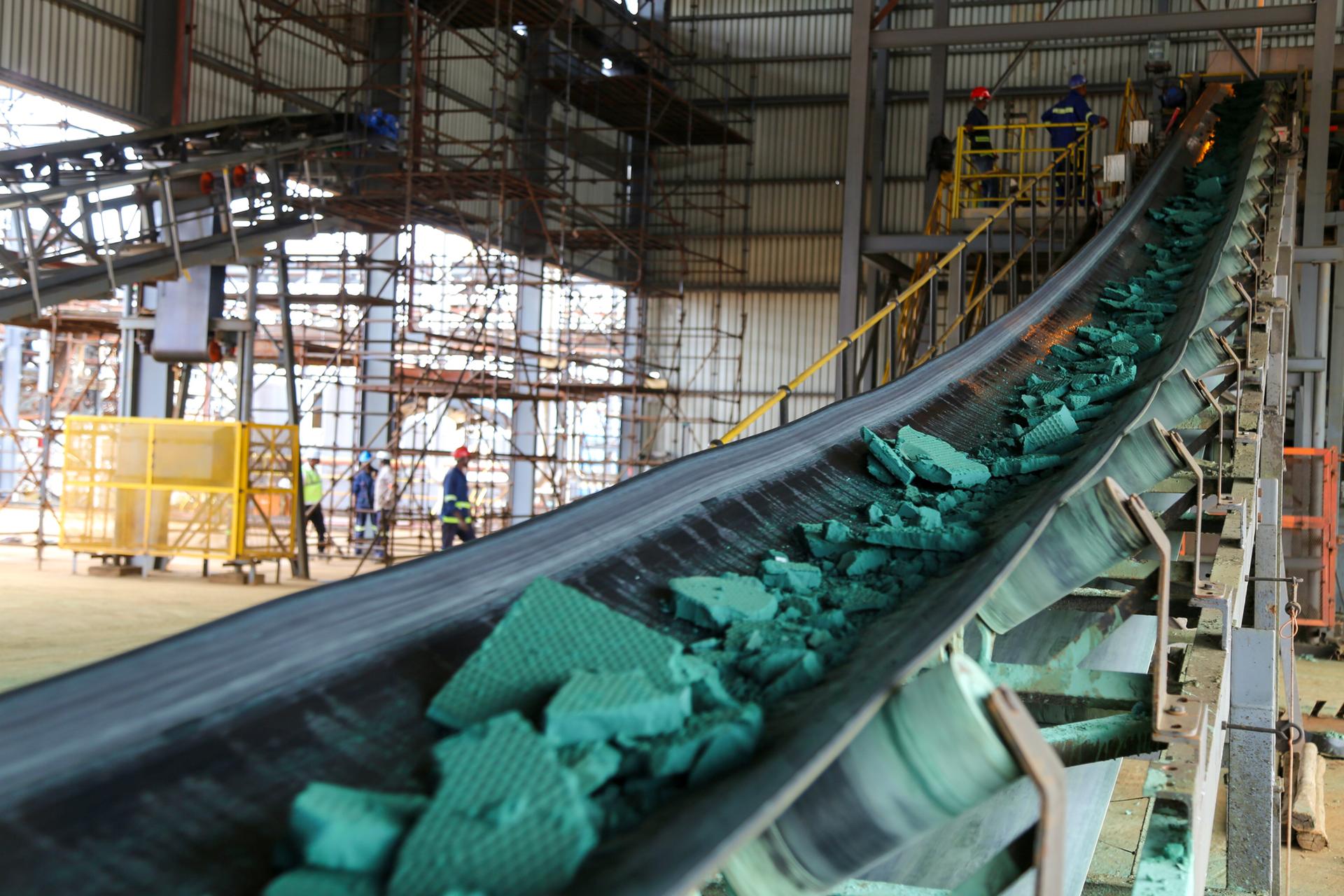
Short of nationalizing its cobalt, the DRC implemented a seven-month ban on cobalt exports last year, which was later replaced by a quota system. The DRC is the world’s leading source of mined cobalt.
Hours after the U.S. Export-Import Bank confirmed the budget for Project Vault, Orion CMC, a U.S. government-backed consortium, announced on Feb. 3 that it would take a 40 percent stake in copper and cobalt mines in the DRC owned by Glencore, a global mining giant headquartered in Switzerland.
Economic and Geopolitical Costs
Until November, China has paused for the United States its stringent export controls on products containing rare earths and related critical minerals produced in China, or that use its technology. China’s existing dual-use export control regime, including a 2024 prohibition on exporting certain dual-use items to U.S. military end users, remains in effect.Professor Ian Lange at the Colorado School of Mines said the implementation of the current U.S. strategy is crucial; therefore, it might be too early to declare victory.
“What would be needed to make it work is to really stick in terms of, we are actually going to raise the cost on ourselves in order to keep China out,” Lange told The Epoch Times, referring to creating a resilient global supply chain for critical minerals. “And we promise, we are not going to go back on this.”
Those costs could include paying higher prices for critical minerals and accepting the environmental impacts associated with domestic processing. Some or all of these increases may ultimately be passed on to consumers purchasing electronics, vehicles, and other products that rely on such materials.
“How do you persuade these manufacturers to at least temporarily delay those cost transfers—and even accept a slight sacrifice in profit—for national security?” Yeh Yao-yuan, a professor of international studies at the University of St. Thomas in Houston, told The Epoch Times. “At the current stage, I think it’s the biggest challenge facing the Trump administration.”
Competition for resource access presents another challenge.
Melissa Sanderson, who co-chairs the trade organization Critical Minerals Institute and served as a diplomat at the U.S. Embassy in the DRC, said China holds “substantial financial leverage” over some African countries.
.
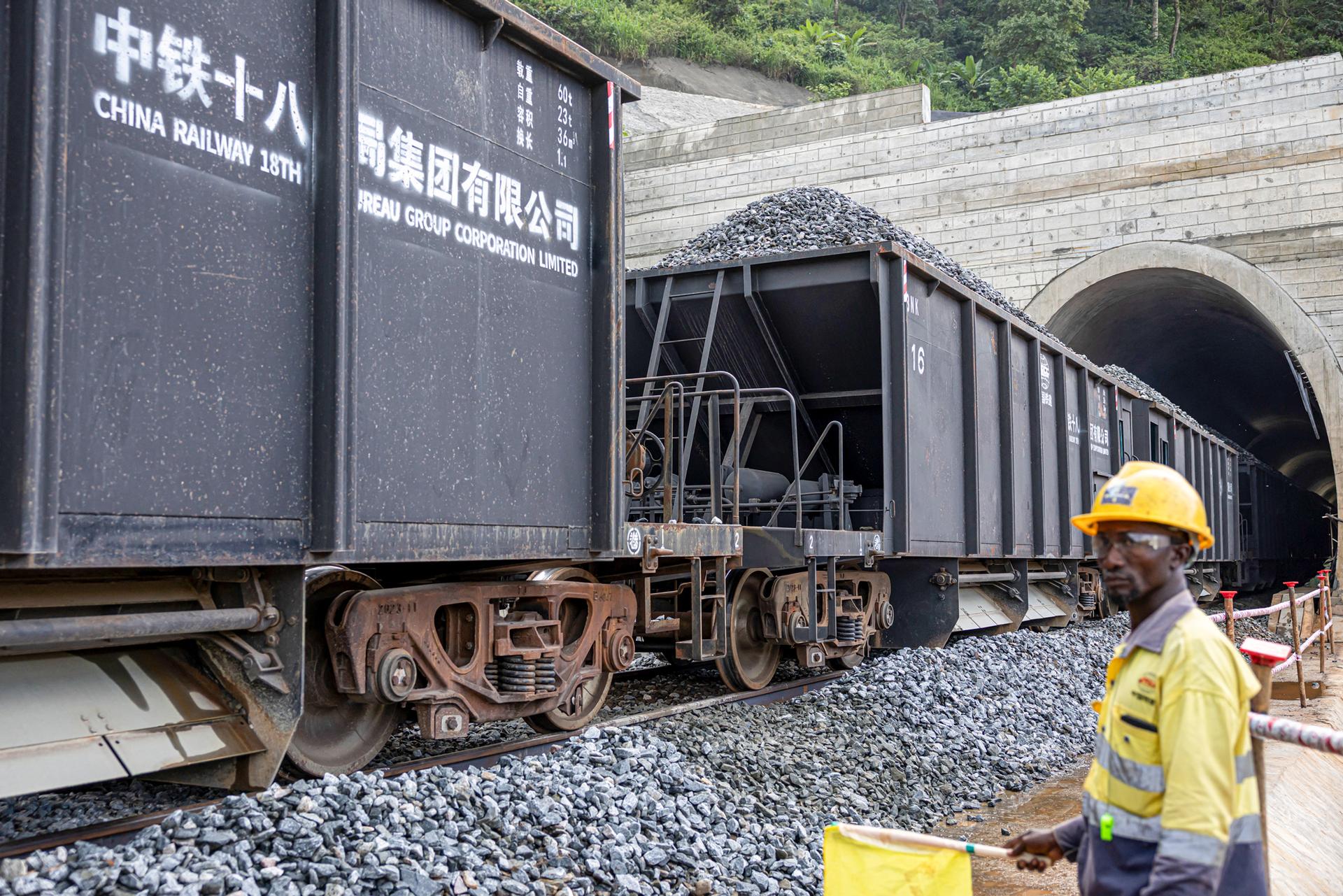
She said that in countries with limited infrastructure, mining projects often must include building a power plant, power transmission, or transportation infrastructure.
“You’ve never really repaid us for this big energy plant that we built for you. So you know what? We’re going to take it back,” Sanderson said, describing a potential scenario in which China uses its leverage. “We’re either going to operate it just for Chinese mines in the country, or we’re going to shut it down.”
While Beijing can exert its sharp power to force countries to take its side, Yeh said Washington has shown credible signs that it could do the same. Therefore, he said, medium and small countries would try to strike a balance to address both sides.
‘Here to Stay’
Analysts broadly agree that achieving independence from the critical mineral supply chain is a long-term process, likely spanning 10 to 20 years.
However, every critical mineral is different. Some, such as gallium, a key semiconductor material for defense applications, may take only a few years to reach full capacity, given the size of demand, according to Sanderson.
While the journey is long, so is the life span of Project Vault, Berry said, citing the planned 15 years of the U.S. Export-Import Bank’s lending authority.
“I don’t care if it’s another Republican or a Democrat in office. I can’t see them saying, ‘You know what? We’ve been through booms and busts, and we’ve been reliant on China, and everybody knows it, so we’re just going to shut the stockpile down,’” Berry told The Epoch Times.
“That would be a very politically unpopular move. So I think this infrastructure is here to stay.”
What's Your Reaction?
 Like
0
Like
0
 Dislike
0
Dislike
0
 Love
0
Love
0
 Funny
0
Funny
0
 Wow
0
Wow
0
 Sad
0
Sad
0
 Angry
0
Angry
0













Comments (0)