

China’s Shadow Empire: A Global Leader in Human Trafficking


.
In addition to its advances in artificial intelligence, robotics, and other technological achievements, China is a dominant force in that most ancient of depraved practices: human trafficking.
According to the U.S. State Department’s 2024 Trafficking in Persons Report, China remains on Tier 3—the lowest ranking—for failing to meet minimum standards to combat trafficking, with government complicity in widespread abuses.
China’s Trafficking Network
The CCP’s hand in human trafficking isn’t a new phenomenon in the world; other nations and civilizations have practiced human trafficking for centuries, if not millennia. That said, the CCP’s trafficking efforts aren’t done in half measures.Trafficking of Children for Forced Labor and Adoption
China’s internal migration crisis is a major source of trafficking. With more than tens of millions of rural migrants, children are “left-behind” by parents seeking urban jobs. By some estimates, millions of those children are abducted or sold into brick kilns, factories, and illegal adoptions each year. Of course, that amounts to modern slavery, which is separate from the figures on organ trafficking.Women Trafficked for Sexual Exploitation and Forced Marriage
There are powerful dynamics beyond the financial draw that drive some of the trafficking. As a result of the CCP’s one-child policy, there are 30 million to 40 million more men than women, creating a shortage of marriage-aged women. To address this self-inflicted demographic crisis, Chinese authorities turn a blind eye to perpetrators importing brides through deception and coercion.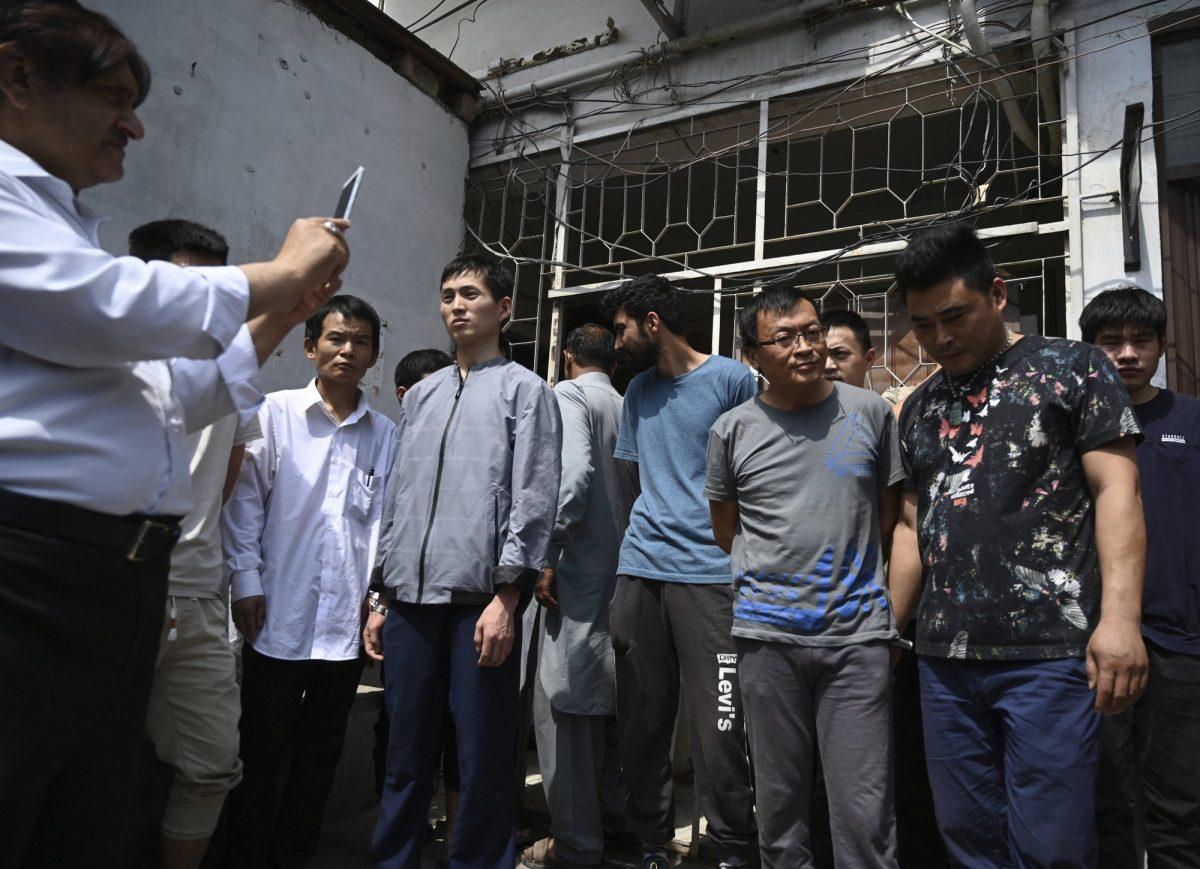
For example, women from Burma (Myanmar), Vietnam, North Korea, and Pakistan are lured to China with job promises, only to be sold for $3,000 to $13,000 into forced marriages, prostitution, or as concubines. The 2024 Trafficking In Persons Report notes traffickers use fraudulent brokers to subject these women to rape, forced childbearing, and domestic servitude, with North Korean refugees particularly vulnerable due to deportation fears. Human Rights Watch reports this “bride trafficking” generates billions, with victims from ethnic minorities facing compounded discrimination.
North Korean Trafficking Channels Border Smuggling and Forced Returns
China’s poorly guarded northern border with North Korea is a major channel for human trafficking between the two countries. Desperate North Korean defectors, mostly women fleeing famine and repression, are quick and easy targets for traffickers. As of 2023, up to 500,000 North Korean women and girls are trapped in China’s Jilin, Liaoning, and Heilongjiang provinces, sold into a $105 million annual sex and bride trade.Middle Eastern and South Asian Channels: Cross-Border Bride Scams
China’s demand for brides extends to Middle Eastern and South Asian routes, where traffickers exploit economic pacts and porous borders to supply women from Pakistan, Bangladesh, and beyond. These channels combine Beijing’s Belt and Road Initiative infrastructure with human trafficking, exporting China’s demographic crisis abroad, to the Middle East and South Asia.Organ Harvesting and Political Persecution of Dissidents, Falun Gong, and Christians
The Chinese Communist Party (CCP) began persecuting the spiritual practice Falun Gong in 1999, and since 2000, its practitioners have become prime targets of organ harvesting. China’s organ transplant industry is up to $1 billion annually—it relies on forced organ harvesting from prisoners of conscience, intertwined with political persecution that silences dissent through trafficking-like abuses. Estimates are that 60,000 to 100,000 unexplained transplants occur yearly from blood-tested detainees.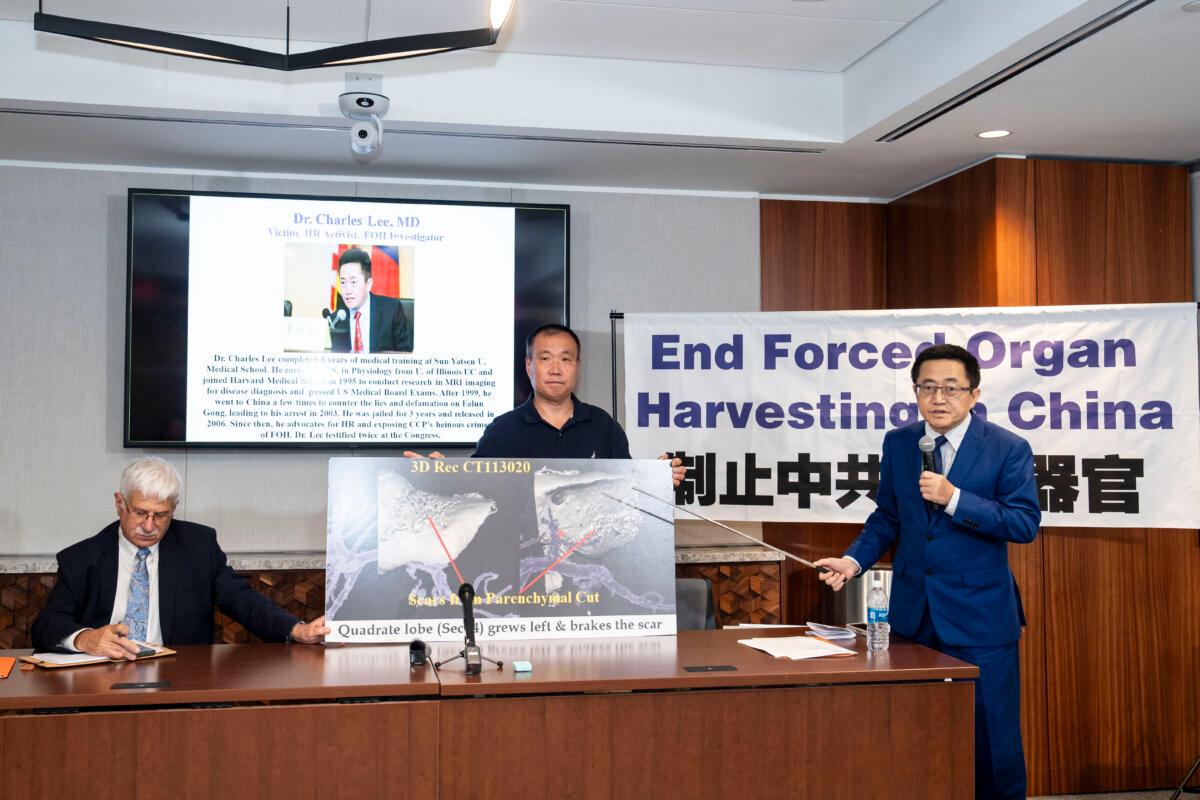
When Will It End?
Will the CCP’s wicked practices against its own people and others ever end?At some point, it will. It must. But the CCP will have to meet its end first.
In the meantime, as the world marvels at its scientific and technological progress, keep in mind that communist China is also the world’s largest surveillance state, persecutes minorities, political dissidents, and religious groups, and allows corrupt officials to profit from its global supply chains of human misery.
What's Your Reaction?
 Like
0
Like
0
 Dislike
0
Dislike
0
 Love
0
Love
0
 Funny
0
Funny
0
 Wow
0
Wow
0
 Sad
0
Sad
0
 Angry
0
Angry
0














Comments (0)