

China’s Declining Foreign Direct Investment: Why Global Capital Is Turning Away and Why Beijing Can’t Stop It


.
In the third quarter of 2025, foreign direct investment (FDI) inflows into China continued to decline, highlighting ongoing economic challenges and growing investor caution.
According to China’s State Administration of Foreign Exchange, FDI posted a net inflow of only $8.5 billion—a 51 percent decrease from the previous quarter and a 92 percent decrease from the peak in the first quarter of 2022. There was a brief rebound in early 2025, but it was quickly suppressed when the U.S. Trump administration imposed reciprocal tariffs.
Although inbound investment declined significantly, China’s outbound direct investment stayed strong during the 14th Five-Year Plan (2021–2025). As a result, the country’s direct investment balance, which had been recording net inflows in 2021 and 2022, shifted sharply to net outflows starting in 2023.
The 3 Factors
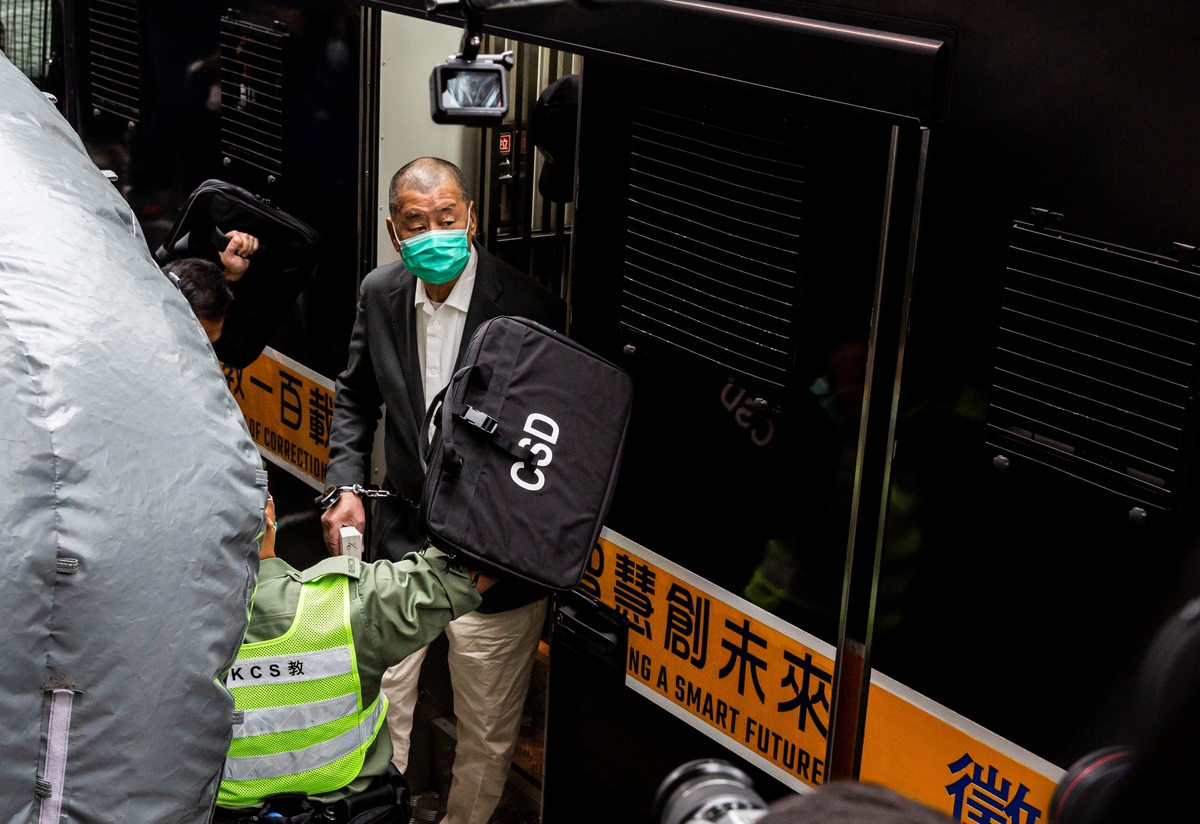
The economic downturn may have caught Beijing completely off guard. This dramatic shift can be attributed to three major factors under Xi Jinping’s rule.Second, as the Chinese Communist Party (CCP) tightened its grip over the markets, the business environment for foreign enterprises deteriorated sharply. From the Ministry of State Security’s public calls for “catching spies” to sudden raids and detentions targeting foreign companies and their staff, along with new laws tightening state control, foreign investors grew increasingly skeptical, pessimistic, and ultimately disillusioned with China’s political trajectory.
Third, the Russia–Ukraine war that erupted in February 2022 had profound consequences for China’s global standing. The CCP’s covert support for Russia heightened Western fears of a Beijing–Moscow alignment; meanwhile, speculation over whether Beijing might seize the moment to launch a war in the Taiwan Strait became a matter of global concern. The resulting escalation in China–West strategic confrontation reshaped global capital flows and scale.
No Longer a ‘Period of Important Strategic Opportunity’
The CCP is now fully aware of the economic crisis it faces. One notable shift in the 15th Five-Year Plan (2026–2030), compared with earlier plans, is its reassessment of the domestic and international environment. Beijing has discreetly dropped the phrase “period of important strategic opportunity,” a term that appeared in the past three five-year plans.A key reason is the sobering comparison of national power between China and the United States. The CCP has realized that its ambition to quickly surpass the United States—captured in the narrative of “the East is rising and the West is declining”—is unrealistic.
China’s GDP relative to that of the United States peaked at 77 percent in 2021 but has steadily declined since, falling to 64 percent in 2024. Since 2023, the notion that China’s economy has already peaked has gained traction globally. Former U.S. President Joe Biden even described China as a “ticking time bomb.”
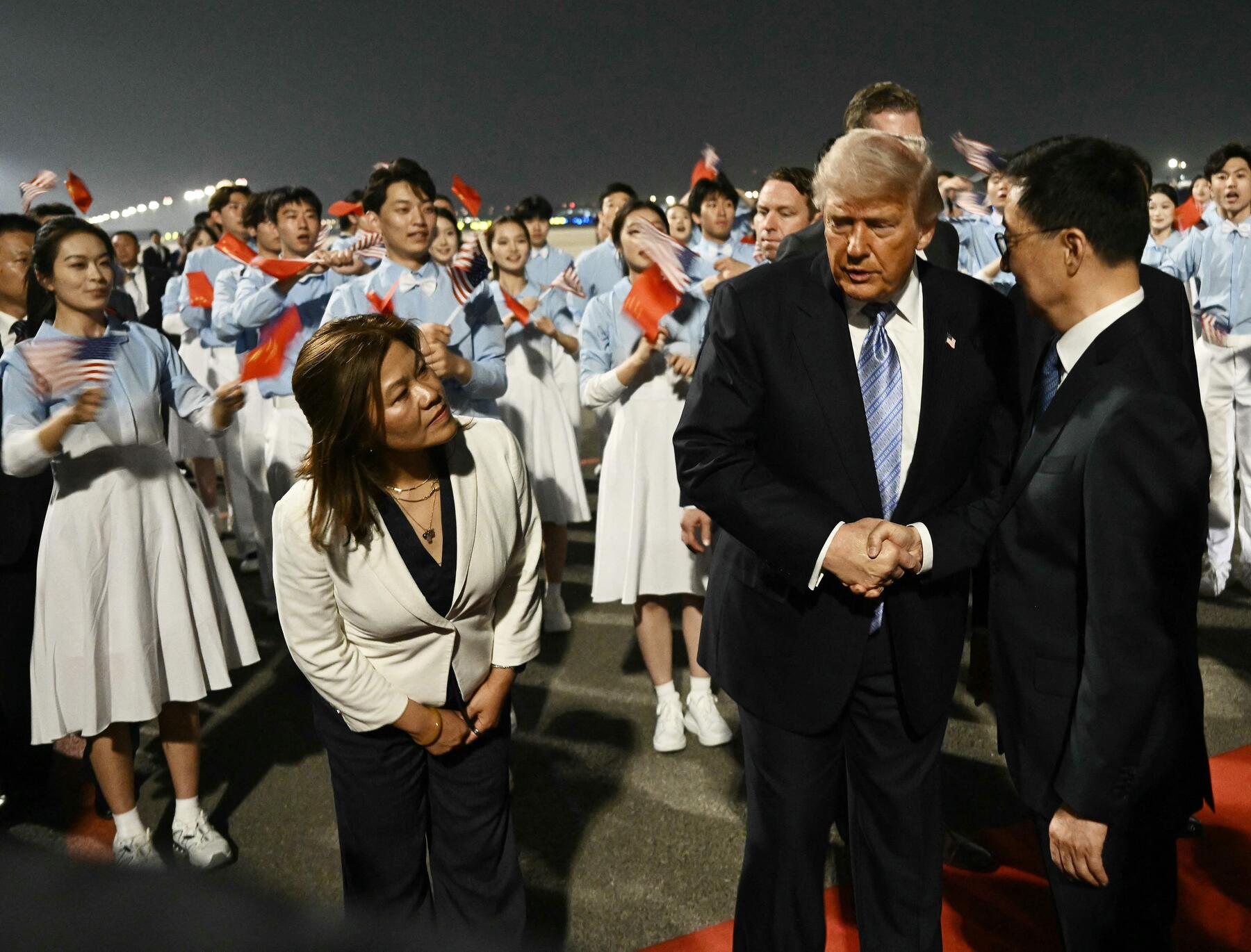
Adding to Beijing’s pressure is the second Trump administration’s reciprocal tariffs. During the first Trump administration, Washington and Beijing spent more than a year oscillating between conflict and negotiation before signing the “phase one” agreement, which China later largely failed to honor.
But this time, President Donald Trump’s strategy is different. Instead of rushing toward a formal deal, he is using temporary truces extended through successive negotiations, effectively keeping Beijing in a state of uncertainty. This move allows him to maintain pressure on Beijing and continuously monitor China’s compliance with the terms of the temporary truce.
The CCP can no longer exploit loopholes as it did last time.
What's Your Reaction?
 Like
0
Like
0
 Dislike
0
Dislike
0
 Love
0
Love
0
 Funny
0
Funny
0
 Wow
0
Wow
0
 Sad
0
Sad
0
 Angry
0
Angry
0














Comments (0)