

China Draws Hard Lines on Taiwan and Human Rights Just Days Before Trump Meets Xi
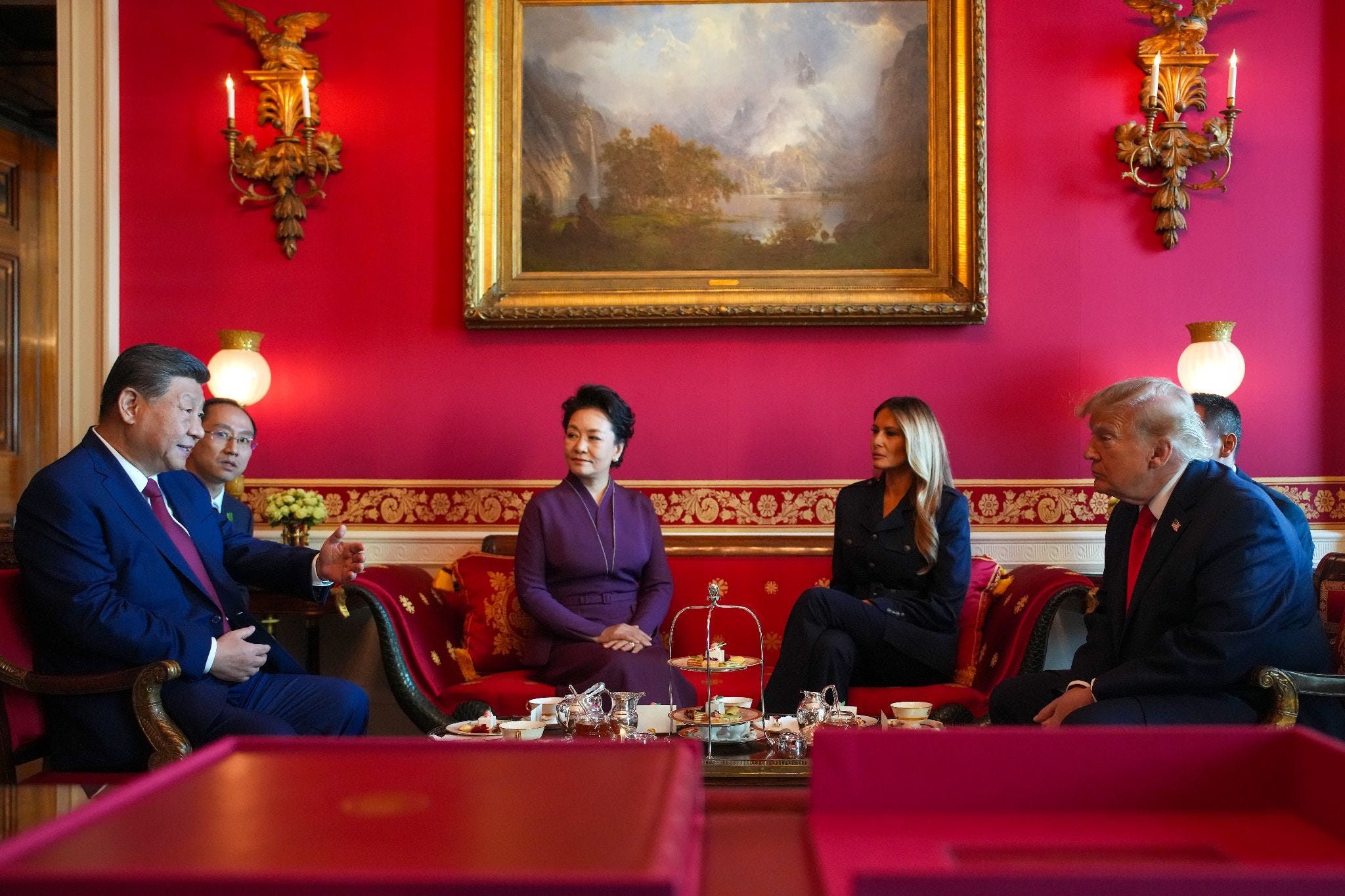
China's ambassador to Washington has publicly warned the United States against crossing four "red lines" — including Taiwan and human rights — just as President Trump prepares to host Xi Jinping. The timing signals Beijing wants to shape the agenda before the two leaders even sit down. Independent reporting suggests the Trump administration may already be avoiding the topics Beijing considers most sensitive.

.
A Pointed Message Before the Summit
China's ambassador to the United States, Xie Feng, published an op-ed in the Communist Party's official People's Daily newspaper on September 23, laying out four issues he called untouchable. The timing was no accident: Chinese President Xi Jinping is due in Washington this week for a summit with President Donald Trump.
Xie framed the warning as constructive, arguing that cooperation benefits both countries while confrontation harms both. But the substance of his message was a list of boundaries Washington should not cross.
.
The Four Red Lines
According to Xie, Beijing considers four areas non-negotiable: the status of Taiwan, human rights and democracy, China's political and economic system, and what it calls its "right to development." He argued the US has used concerns like national security and forced labor as excuses (pretexts) to limit China's growth, and he urged Washington to abandon that approach.
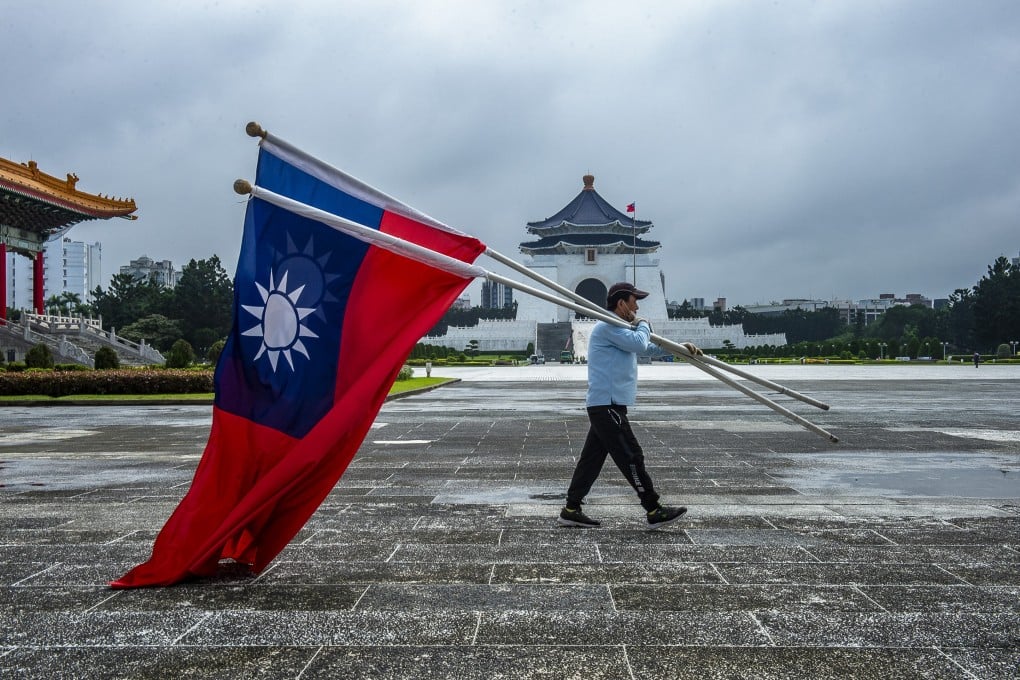
Taiwan remains the most explosive of the four. China's Communist Party claims the self-governing, democratic island as its own territory, even though it has never controlled it. The United States has no formal diplomatic ties with Taipei but remains its largest arms supplier and most important international backer.
A separate commentary in the same newspaper, published under the pen name "Zhong Sheng" (Voice of China), went further. It blamed Washington's "erroneous" view of China and its reluctance to drop the idea of strategic competition for the rocky state of the relationship — without offering specifics.
.
What Trump Is (and Isn't) Likely to Do
Beijing's warning arrives at a moment when the Trump administration appears to be treading carefully around exactly these issues. According to reporting from the South China Morning Post, people familiar with the planning say Trump is unlikely to call Taiwanese President Lai Ching-te before or during the summit, and no new Taiwan arms sales are expected to be announced in the near term — though some previously approved packages could still move forward afterward.
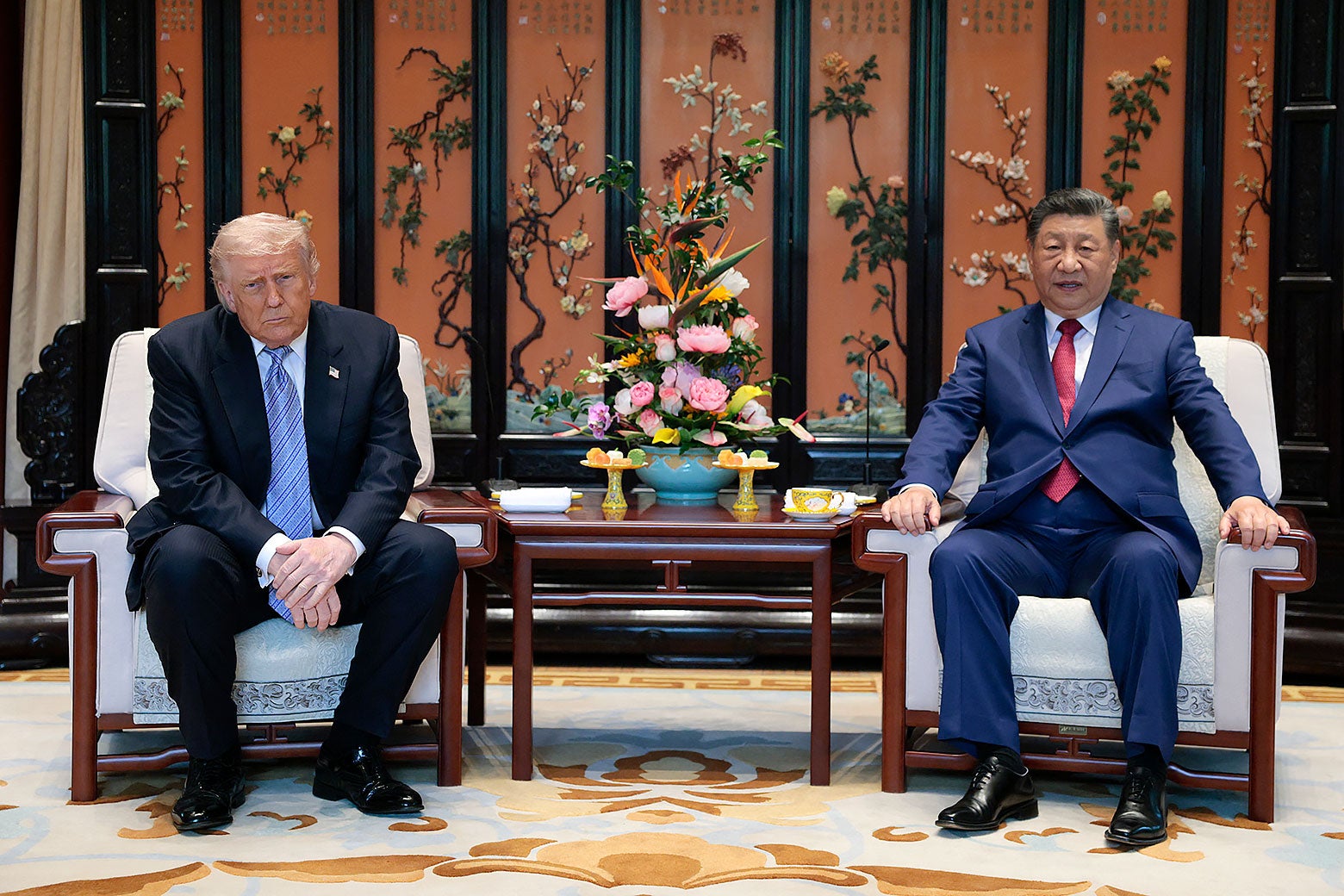
That caution reflects lessons from an earlier Trump-Xi summit in May 2026, where Taiwan dominated discussions after Xi warned of "clashes and even conflicts" if Washington didn't handle the island carefully. Xi has repeatedly pushed for the US to scale back or halt arms sales to Taiwan altogether — a longstanding US commitment dating back decades.
For Trump, striking a stable working relationship with Xi carries clear upside: continued Chinese purchases of American goods, cooperation on issues like fentanyl, and reduced trade friction. But conceding ground on Taiwan would likely draw sharp bipartisan criticism in Washington.
.
Why "Human Rights" Is a Loaded Term for Beijing
When Chinese officials invoke "human rights" as a red line, they are typically referring to international criticism of their treatment of religious and ethnic minorities. A United Nations Special Rapporteur report found it "reasonable to conclude" that forced labor has taken place among Uyghur, Kazakh, and other minority groups in China's Xinjiang region, with some practices potentially amounting to crimes against humanity.
Beijing's human rights record extends beyond Xinjiang. For over two decades, practitioners of Falun Dafa (also known as Falun Gong), a spiritual discipline based on the principles of Truthfulness, Compassion, and Forbearance, have faced systematic persecution in China, including detention and reported abuses documented by independent researchers and international observers. Framing these documented concerns as foreign "interference" is, in practice, an attempt to place China's internal conduct beyond outside scrutiny.
.
Outlook: A Fragile Truce Under Pressure
Xie's op-ed is best read as an opening move — an attempt to set the terms of debate before Xi and Trump meet face to face. It also fits a pattern: Chinese officials have used similar language ahead of previous high-level meetings, always naming Taiwan as the most sensitive of the four points.
Whether this week's summit produces genuine stability or merely another temporary truce will likely depend on how much room Trump is willing to give Beijing on Taiwan — the one issue where China has shown it is least willing to compromise, and where American commitments run deepest.
.
Sources:
- Reuters — https://www.reuters.com/world/china/chinas-us-ambassador-warns-red-lines-ahead-trump-xi-meeting-2026-09-23/
- South China Morning Post — https://www.scmp.com/news/china/diplomacy/article/3357586/no-call-taiwan-no-new-arms-sales-how-trump-preparing-welcome-xi
- UN Office of the High Commissioner for Human Rights (OHCHR) — https://www.business-humanrights.org/en/latest-news/china-un-experts-expresses-deep-concern-on-forced-labour-of-ethnic-minotiries/
.
What's Your Reaction?
 Like
0
Like
0
 Dislike
0
Dislike
0
 Love
0
Love
0
 Funny
0
Funny
0
 Wow
0
Wow
0
 Sad
0
Sad
0
 Angry
0
Angry
0














Comments (0)