Canada Walked Away From the AIIB Once. It Should Keep It That Way

Canada Walked Away From the AIIB Once. It Should Keep It That Way

.

Commentary

In 2023, Canada embarrassed China by dramatically suspending its membership in the scandal-plagued, CCP-controlled Asian Infrastructure Investment Bank (AIIB). Given Ottawa’s latest deal with China and its pursuit of a “strategic partnership,” there is reason to fear that Canada may unwisely return to the AIIB fold once again.

The AIIB, that gleaming Beijing-based multilateral lender, has been mired in controversy since its inception, accused of being little more than a velvet-gloved extension of Chinese Communist Party (CCP) influence.

Canada “halted all government-led activity” at the AIIB in 2023 when Bob Pickard, the AIIB’s former global communications director who happened to be a Canadian national, declared that the bank was “dominated by Communist Party members” and plagued by “one of the most toxic cultures imaginable.” Pickard, who fled China after making his accusation and resigning, accused CCP cadres of pulling strings behind the scenes, interfering with transparent communication, and steering the institution toward Beijing’s geopolitical agenda.
.
Although Pickard wasn’t a Canadian-government appointee, explosive news coverage in Canada of his bombshell resignation led the government to suspend its AIIB membership to avoid bad press.
.
Pickard also hit home in his claim that Canadian interests were ill-served by staying involved. A major rationale for Canada joining the AIIB back in 2018 was the promise of lucrative contracts that Canada would secure by financing development in Asia, which it did through a US$1 billion investment in the AIIB. That promise never materialized—Canadian companies fell woefully short in receiving contracts.

If Carney has Canada rejoin the AIIB, he will again face the prospect of bad press. Western suspicions remain that the bank, despite its multilateral veneer, functions as a sophisticated arm of China’s Belt and Road Initiative rather than development for the common good of Asian nations.

“Beijing has never been shy about using every tool in its toolkit to pursue its agenda, and global organizations play an important role in that objective,” stated Daniel Wagner, a former senior investment officer at the AIIB, in a 2021 article for Indo-Pacific Defense Forum.

“Beijing is in the process of creating an alternative world order based on its unique world view, which sees Chinese interest as paramount. The danger is that these institutions become hijacked without even understanding what Beijing is doing, based on gaps and inconsistencies in their operating regulations.”

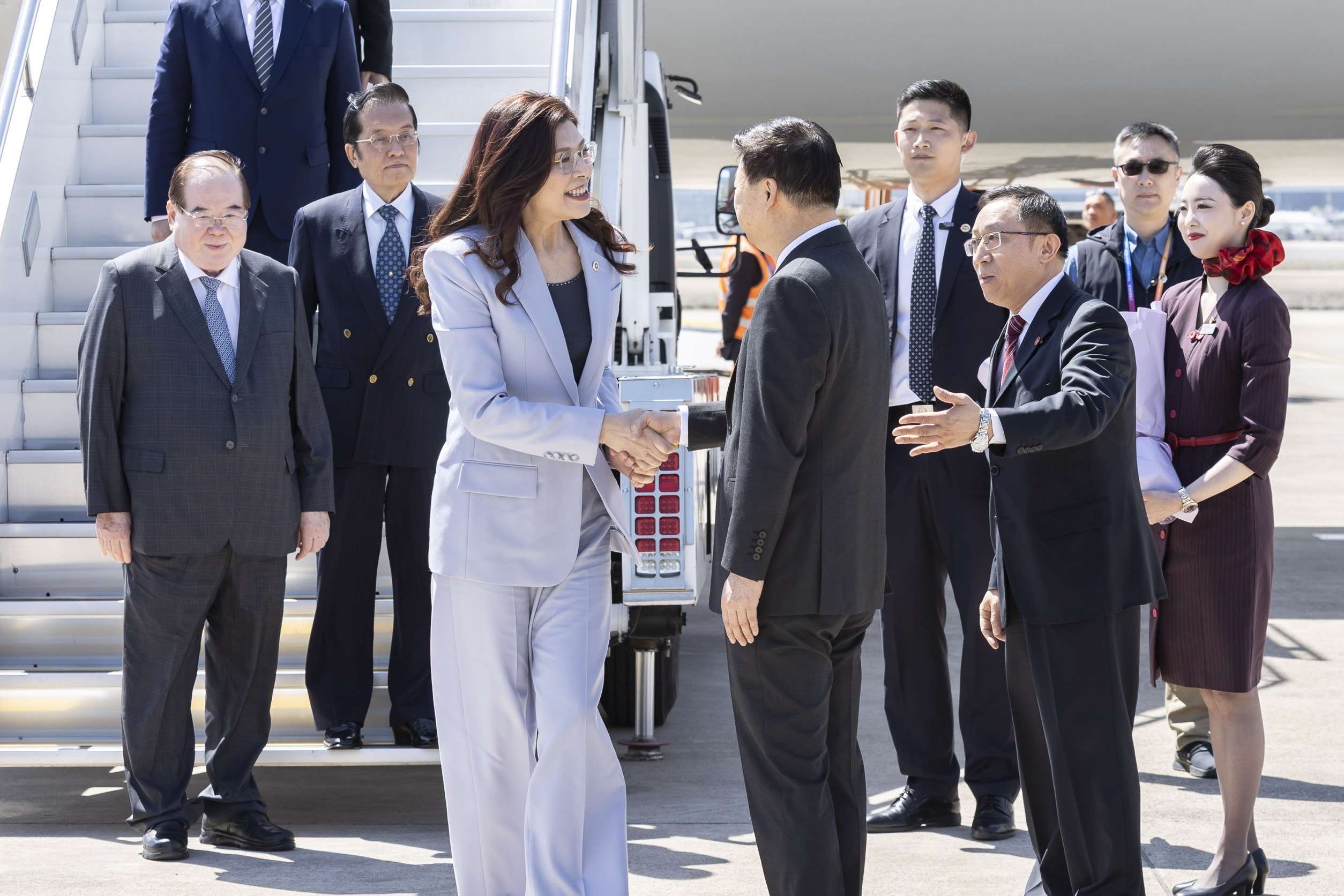
Most recently, Wagner said in an op-ed for The Sunday Guardian of India that China is tightening its grip on the bank, particularly with the 2026 appointment of Zou Jiayi as president—a figure with deep ties to the CCP, China’s finance ministry, and the Chinese People’s Political Consultative Conference, which Wagner said is “one of the CCP’s core instruments for enforcing ideological discipline and manufacturing consent.”

Rejoining the AIIB would signal goodwill to Beijing, and it may be tempting for Ottawa as it aims to diversify away from the United States, but doing so would further move Canada into the Chinese sphere of influence, to the detriment of Canadians.

Views expressed in this article are opinions of the author and do not necessarily reflect the views of The Epoch Times.
.