

Breaking China’s Hold on Critical Minerals: Canada’s Chances and Roadblocks
Breaking China’s Hold on Critical Minerals: Canada’s Chances and Roadblocks - As China uses its dominance of critical minerals as a geopolitical tool—limiting exports and imposing tariffs—and as demand for these elements in defence and the high-tech sectors grow, there’s a new sense of urgency in the West to break China’s hold.

.
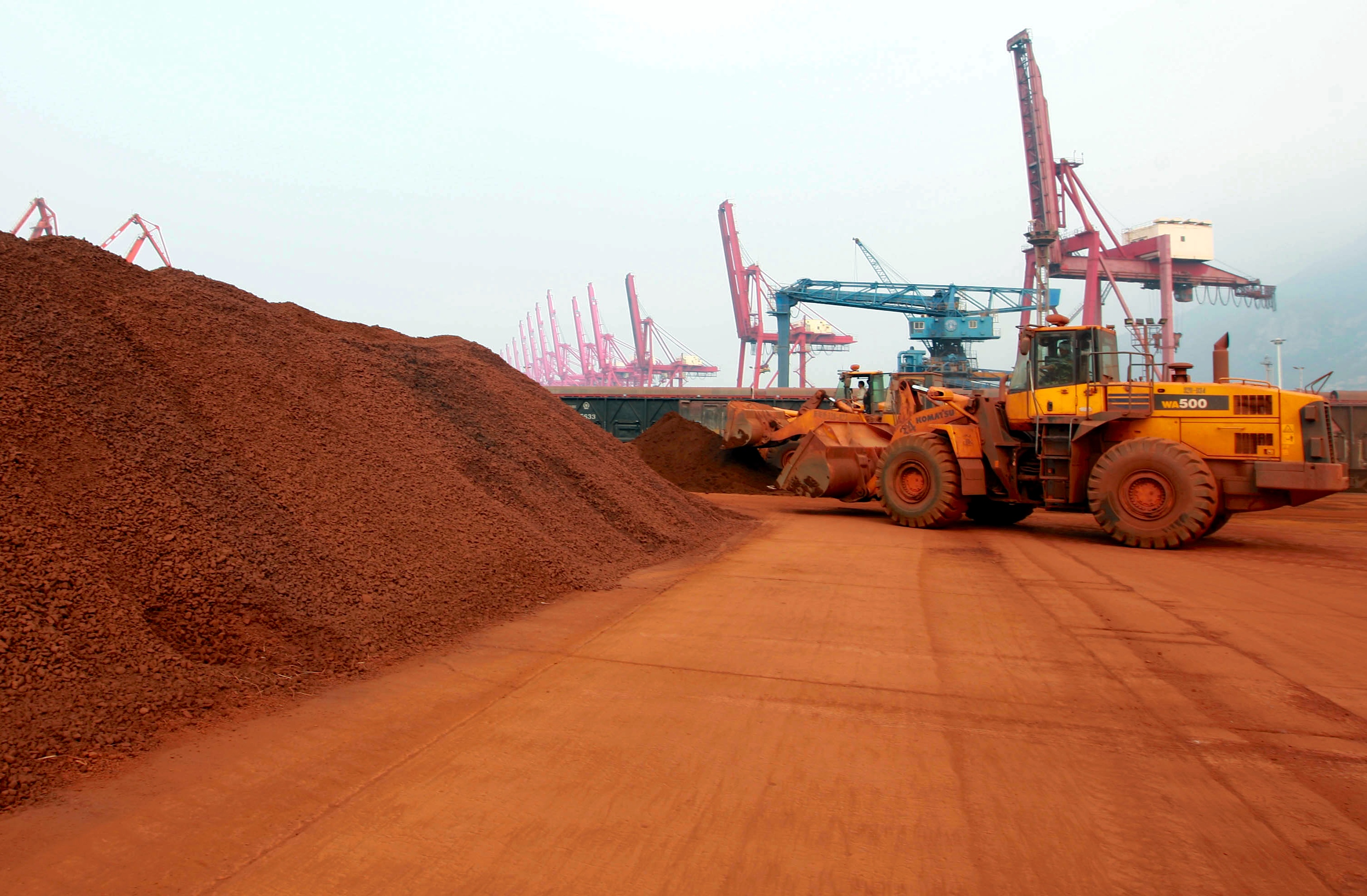
As China uses its dominance of critical minerals as a geopolitical tool—limiting exports and imposing tariffs—and as demand for these elements in defence and the high-tech sectors grow, there’s a new sense of urgency in the West to break China’s hold.
Ottawa recently joined other G7 leaders in launching a critical minerals action plan, and Prime Minister Mark Carney has noted the important role such minerals play in expanding the country’s defence plan.
Some also point to Canada’s regulatory processes for major projects, saying more streamlining is needed.
China’s Dominance
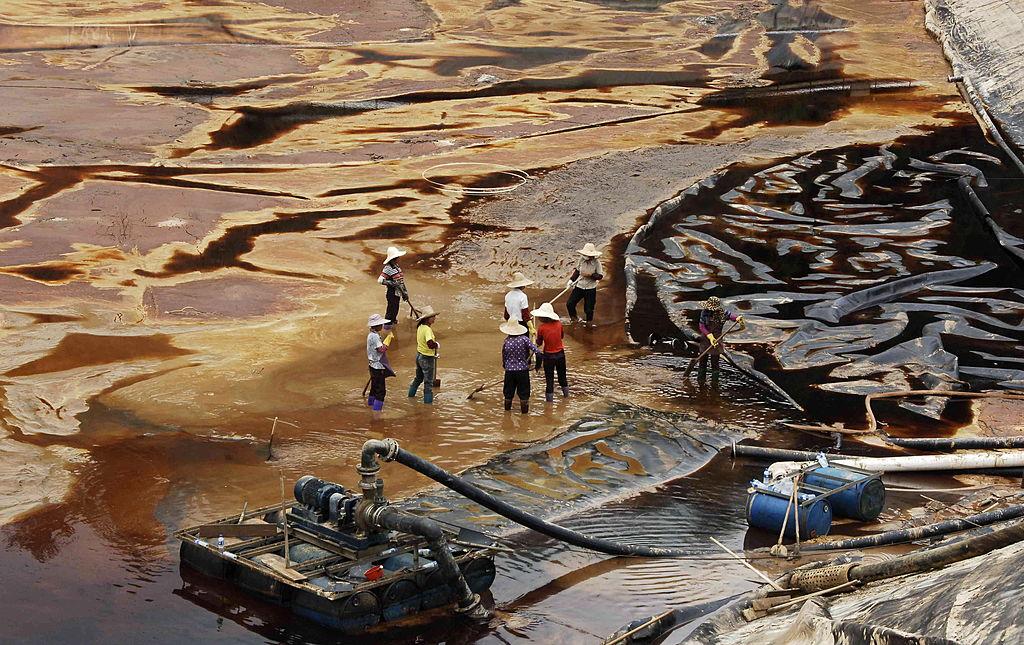
China has been able to gain dominance over the critical minerals industry, particularly in refining capacity, while a lack of significant action by the West has put it far behind Beijing, Adams told The Epoch Times.“China won and secured and now maintains its stranglehold on critical minerals with government control and massive government subsidies to corner the global market over the past 20 to 30 years,” Adams said.
New Focus for the West
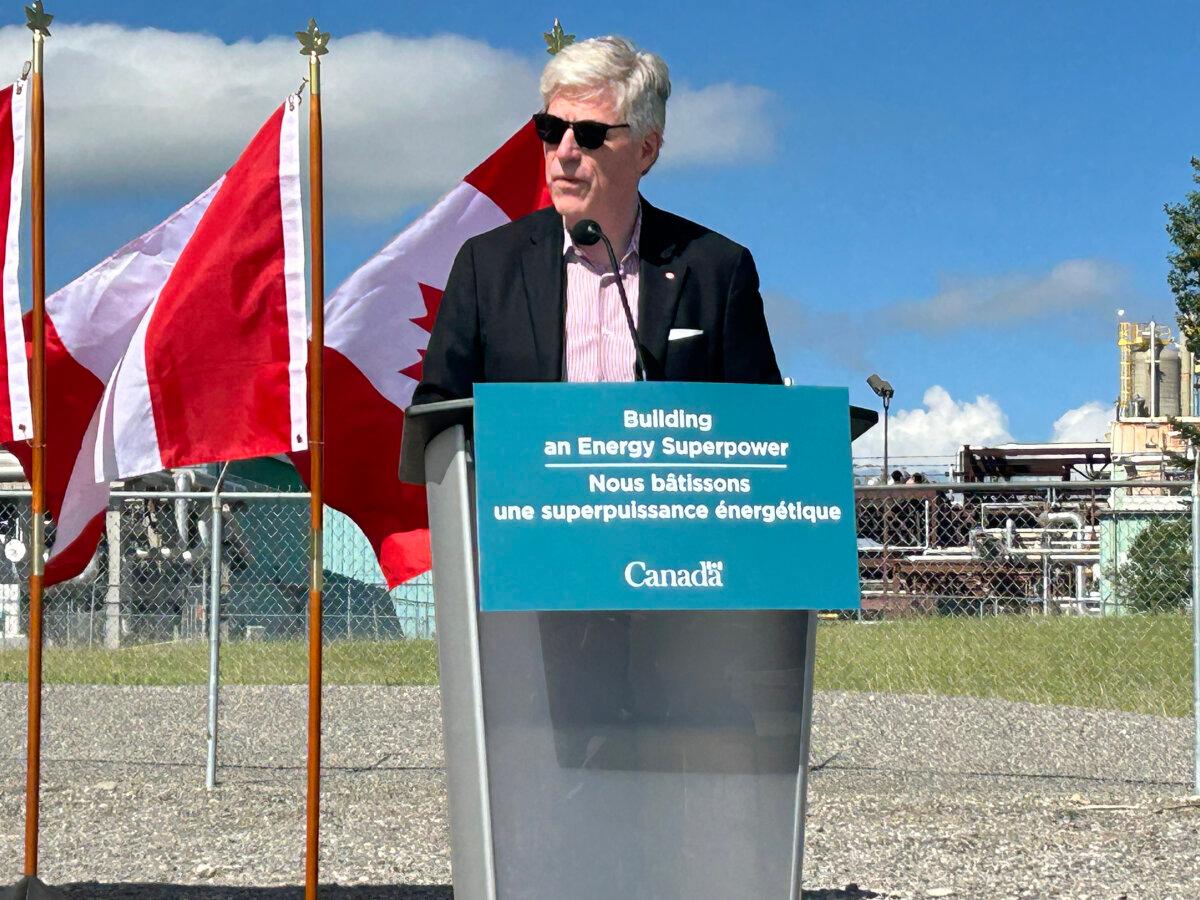
The G7 nations expressed their intention to establish partnerships and create “standards-based markets” to counter “non-market policies and practices” in their joint statement from June, but they did not specifically reference China.“While Canada continues to welcome foreign direct investment, we will act decisively when investments threaten our national security and our critical minerals supply chains, both at home and abroad,” Champagne said at the time.
Ontario’s Minister of Energy and Mines Stephen Lecce has also alluded to the risks China’s dominance of the market presents.
“Resource security is now national security, and the race for critical minerals is on,” Lecce said on July 3 in Thunder Bay, Ont.
“Too much of today’s global supply is controlled by regimes that just don’t share our values as Canadians. China, for example, dominates much of the world’s critical mineral market using forced and child labour, unsafe conditions, and destructive environmental practices.”
.
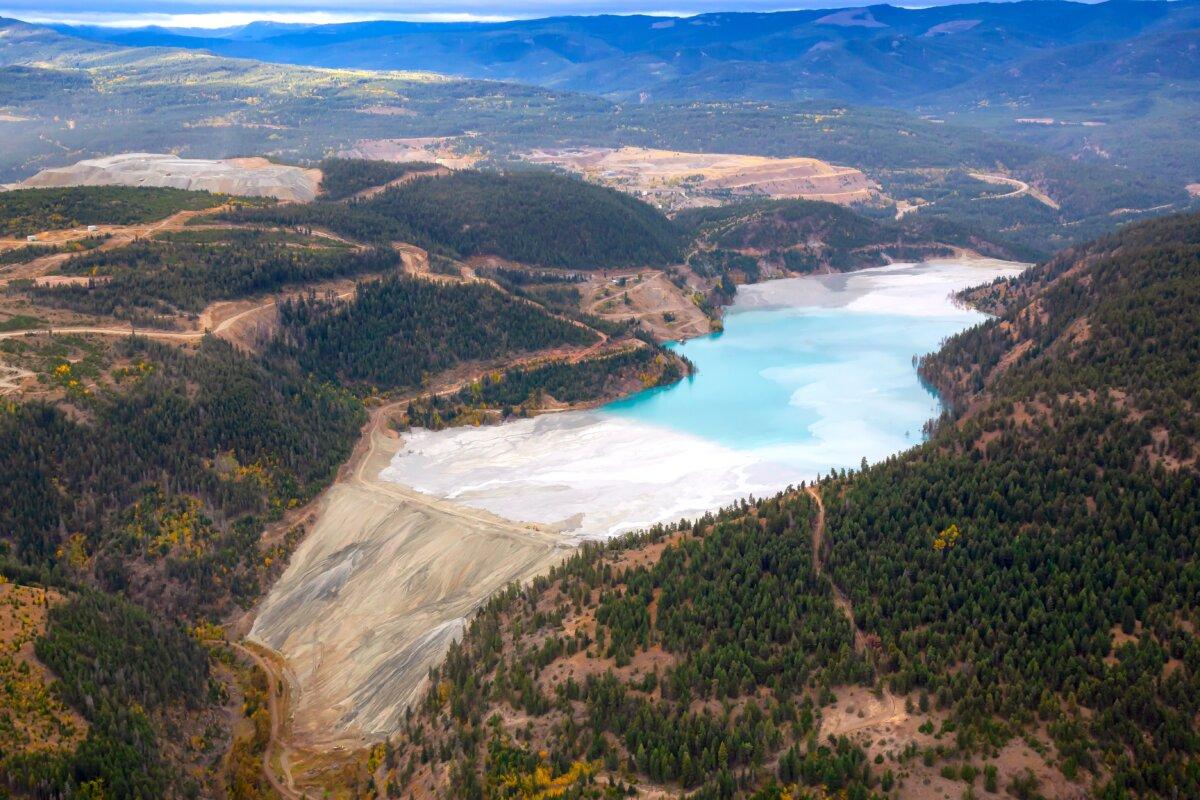
Natural Resources Canada (NRCan) has described critical minerals as essential for defence applications, including in aerospace alloys and permanent magnets employed in military systems.
“By scaling up domestic production and processing, Canada is reinforcing its defence industrial base and strengthening its contributions to NATO,” NRCan spokesperson Christian Tessier said in a July 23 email to The Epoch Times.
Many American companies have recently announced plans to expand their critical minerals production.
Canada’s Reserves
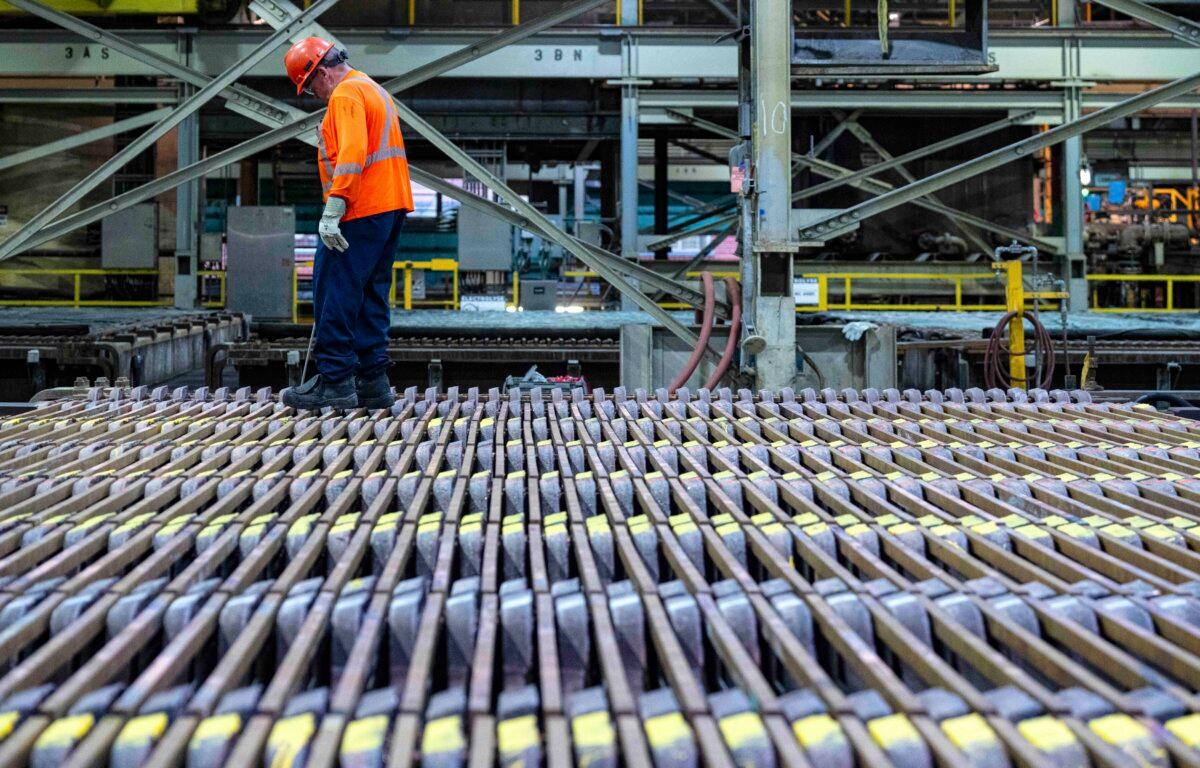
Canada has the world’s sixth-largest reserve of critical mineral lithium, along with significant deposits of graphite, nickel, cobalt, copper, and various rare earth elements. Canada is also the world’s leading supplier of key fertilizer ingredient potash, at 32 percent of global supply. It’s among the top five worldwide producers of critical minerals indium, niobium, platinum group metals, titanium concentrate, uranium, and primary aluminum.
Canada’s Plans
Canada introduced a Critical Mineral Strategy in 2022, presenting it as a “comprehensive initiative” to grow the economy and cut down on Canada’s “dependency on other countries for inputs and manufactured goods.”Natural Resources Canada’s Tessier said the federal government intends to allocate more funds in research and work with partners to better develop the country’s critical minerals sector.
.

“Canada will also work with G7 allies and partners across industry, international organizations, Indigenous Peoples, and civil society to build a roadmap for a standards-based markets critical mineral market. This roadmap will be completed this year,” Tessier’s statement said.
The government of Ontario, which has large deposits of critical minerals, has also put in place new initiatives to develop the sector.
Canada’s Infrastructure Challenge
Canada lacks infrastructure in its remote and northern regions to access the mineral resources, and the mining sector faces economic challenges including barriers to investment in large-scale critical mineral extraction projects, as noted in a 2021 House of Commons committee report.Lifton, of the Critical Minerals Institute, said Canada is in need of a national infrastructure program so it can ramp up its production of critical minerals.
“Roads and electric power are the missing link,” Lifton said.
However, “all that is a smoke screen,” Lifton said. “Without infrastructure, there’s no point to that.”
If more infrastructure is built and there is government support, investments will flow in, Lifton noted. He said when he and his partner surveyed Canada in 2012, they found that approximately half of the global discoveries of critical minerals had been made in Canada.
.
“Now fast forward 13 years, not a single one of those deposits has been moved into production,” he said. “Not one.”
Lifton also said that Canada needs to focus its capital because it doesn’t have the level of capital resources that the United States has, with just one-tenth of the population.
Regulations and Production
A Scotiabank report in June noted that beyond current production, there are roughly 67 critical mineral mining projects planned or under construction in the next decade in Canada, totalling $72.4 billion in potential investment. But it emphasized the importance of streamlining government regulations to ramp up projects.Citing Rebekah Young, a vice-president at the bank, the report noted that “if the federal and provincial governments are smart about policy and the onerous regulatory process is streamlined, we could see far more projects enter development given the demand for critical minerals.”
Probe International’s Adams said the Carney government would be wise to “streamline project approval processes” and let markets work to attract investments in the sector. She said the government should also support the sector to counter China’s centrally controlled dominance, but not fall into the trap of over-regulation and control.
“[Canada] should break China’s monopoly, but by reinstating market rules and with tariffs to correct for China’s subsidization of their mining industry, not by government’s recklessly controlling the industry,” Adams said.
.
Canada also faces challenges with processing capacity, an area that China has dominated.
The report noted that Canada would be well advised to build strategic reserves of critical minerals to make its supply chain more resilient.
“Japan, for example, created a rare metals stockpiling program in the 1980s and, after China’s rare earth embargo in 2010, significantly expanded its stockpiles and diversified supply — cutting its dependence on Chinese rare earth imports from 90 percent to about 60 percent within a decade. Canada should similarly evaluate building strategic reserves of critical minerals (possibly in coordination with allies) to guard against both physical shortages and wild price swings,” the report said.
What's Your Reaction?
 Like
0
Like
0
 Dislike
0
Dislike
0
 Love
0
Love
0
 Funny
0
Funny
0
 Wow
0
Wow
0
 Sad
0
Sad
0
 Angry
0
Angry
0














Comments (0)