

Black Sesame Seeds–A Multitude of Health Benefits

.
Since ancient times, black sesame seeds have been used for kidney support, hair vitality, and prevention of osteoporosis.
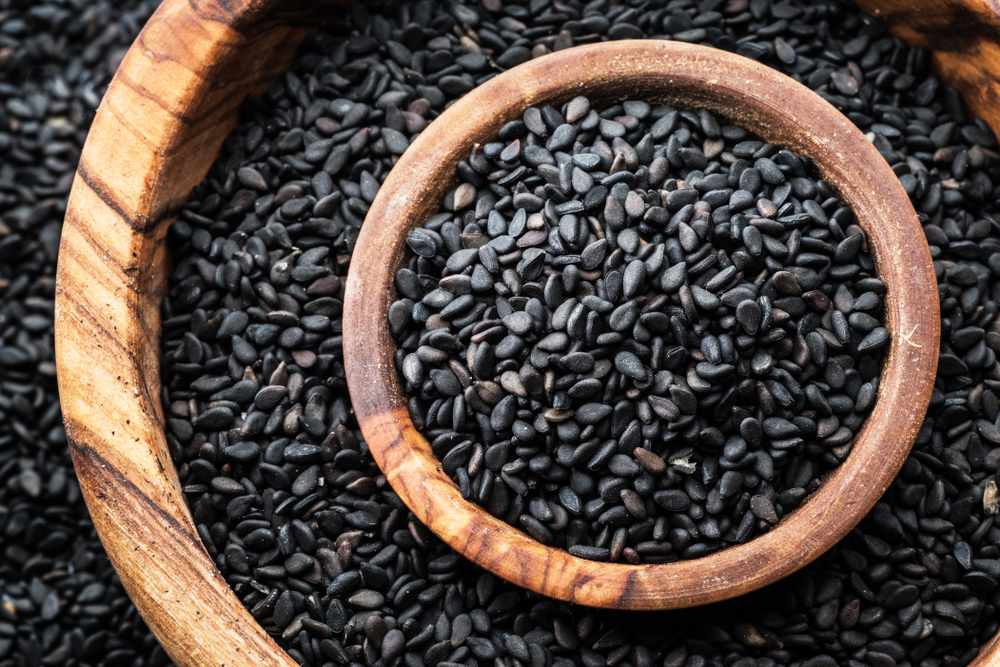
Black sesame seeds are an ancient and healthful food, celebrated as the king of seeds and even revered as the “food of the immortals.” Black sesame seeds offer numerous health benefits, such as nourishing the kidneys, promoting bone health, darkening hair, preventing premature aging, and even boosting memory and hearing. However, they may not be suitable for everyone.
Benefits of Black Sesame Seeds
The health benefits of black sesame seeds have been discovered and utilized since ancient times. In traditional Chinese medicine (TCM), black sesame is often used to address various conditions, including premature graying and hair loss, weakness and soreness in the lower back and knees, fatigue in the limbs, internal organ deficiencies, dry skin and hair, and constipation.1. Nourishes Kidneys, Strengthens Bones, Enhances Memory
Black sesame seeds are rich in minerals such as calcium, magnesium, and zinc, playing a crucial role in increasing bone density and preventing osteoporosis. Incorporating black sesame seeds into the diet is particularly beneficial for the growth and development of children and the bone health of the elderly.In TCM, black sesame seeds are considered to have a neutral and sweet taste, which can promote spleen and stomach health. TCM also associates the color black with the kidneys. Therefore, black sesame is believed to benefit kidney health, helping to prevent and alleviate various issues caused by insufficient kidney qi, including osteoporosis, hearing loss, tinnitus, mental fog, and memory decline.
2. Darkens Hair, Delays Aging, Promotes Bowel Movement
The vitamin E in black sesame seeds offers antioxidant properties, delaying the aging process. It also helps maintain skin elasticity.In TCM, there is a belief that “hair is the surplus of blood,” suggesting that when the blood is abundant, there is extra energy available to nourish the hair. Black sesame seeds, being rich in iron, help replenish blood, thus promoting hair growth, maintaining its color and shine, and potentially preventing the occurrence of white hair.
Additionally, black sesame seeds have a high oil content, which promotes gastrointestinal peristalsis and aids in digestion. The abundant fiber in black sesame seeds also contributes to smooth bowel movements.
3. Treats Acne and Wounds
Black sesame seeds are not only beneficial when eaten but also serve as an external remedy for certain skin conditions. In ancient times, they were often used to treat acne, scabies, rashes, and other skin ailments.The method involves chewing raw sesame seeds and applying the chewed mixture to the affected area. Saliva, with its natural antimicrobial properties, helps reduce inflammation and relieve itching. For burns, one can grind sesame seeds into a paste using tools like a mortar and pestle or a grinder, then apply the resulting paste to the affected area for similar therapeutic effects.
.
Kidney ‘Replenishment’ and Health Preservation Recipes for Winter
The classic Chinese medical text, “The Yellow Emperor's Classic of Internal Medicine,” advocates seasonal health preservation, suggesting nourishing the liver in spring, protecting the heart in summer, nurturing the lungs in autumn, and replenishing the kidneys in winter. As we enter the winter season, it is an opportune time for kidney replenishment. Below are some excellent ways to replenish the kidneys and promote overall well-being using black sesame seeds:Fu Sang Wan (Black Sesame Seeds + Mulberry Leaf)
Sesame seeds have been used by people to create health supplements since ancient times. One wellness recipe involved grinding black sesame seeds and mulberry leaves into a fine powder, then mixing it with honey to form pills known as Fu Sang Wan.Fu Sang Wan is said to alleviate rheumatism, enhance beauty, darken hair, and promote overall health and wellness. Today, we can either make the pills ourselves or have them prepared by a traditional Chinese medicine practitioner. Eating black sesame seeds directly can also yield similar effects.
Black Sesame Chestnut Soy Milk
Ingredients:16.9 fluid ounces (500 milliliters) soy milk
0.35 ounces (10 grams) cooked chestnuts
0.18 ounces (5 grams) black sesame powder (ground at home or purchased ground)
To prepare:
Remove chestnut shells and cut the nuts into small pieces.
Place chestnuts, soy milk, and black sesame powder into a pot, and bring to a boil for 5 mins, blend until smooth and and it's ready to drink.
Chestnuts can nourish the kidneys, invigorate the stomach, and strengthen muscles and bones. Paired with black sesame seeds and soy milk, they not only replenish kidney qi but also provide a protein boost. Sufficient kidney qi can promote mental clarity, improve hearing, and alleviate tinnitus.
Black Sesame Milk
A simpler method is to add a spoonful of black sesame powder to your fresh milk or soy milk and drink it in the morning. Simply mix it well, and it is ready to drink. This beverage can boost energy, improve work efficiency, and even alleviate constipation.Precautions for Consuming Black Sesame Seeds
While black sesame seeds offer numerous health benefits, it's important to eat them in moderation due to their high oil content. A recommended daily intake is around 0.35 ounces (10 grams).1. Skin Inflammation
Black sesame seeds are considered stimulating food, and their consumption may exacerbate existing inflammatory symptoms. Individuals with skin conditions such as acne, scabies, rashes, or inflamed wounds should limit their intake of black sesame seeds, as it may worsen inflammation.2. Sesame Allergy
Despite being listed as one of the top nine major food allergens in the United States, sesame is widely used in the food processing industry.If symptoms such as rash, facial or lip swelling, vomiting, diarrhea, abdominal pain, dizziness, or difficulty breathing arise after eating black sesame, consumption should be immediately stopped. It is essential to assess whether medical assistance is required. Additionally, seeking a diagnosis from a medical professional is advised to confirm if the mentioned adverse reactions are caused by a food allergen.
Note: Some herbs mentioned in this article may be unfamiliar, but they are generally available in health food stores and Asian grocery stores. It is important to note that treatment methods may vary depending on the individual. Please consult with a health care professional for a specific treatment plan.
What's Your Reaction?
 Like
0
Like
0
 Dislike
0
Dislike
0
 Love
0
Love
0
 Funny
0
Funny
0
 Wow
0
Wow
0
 Sad
0
Sad
0
 Angry
0
Angry
0















Comments (0)