

US to End Tariff Exemption for All Low-Cost Imports in Major Trade Shift
US to End Tariff Exemption for All Low-Cost Imports in Major Trade Shift - American manufacturing associations cheered the news but international shippers are concerned about its potential impact on global logistics.

.
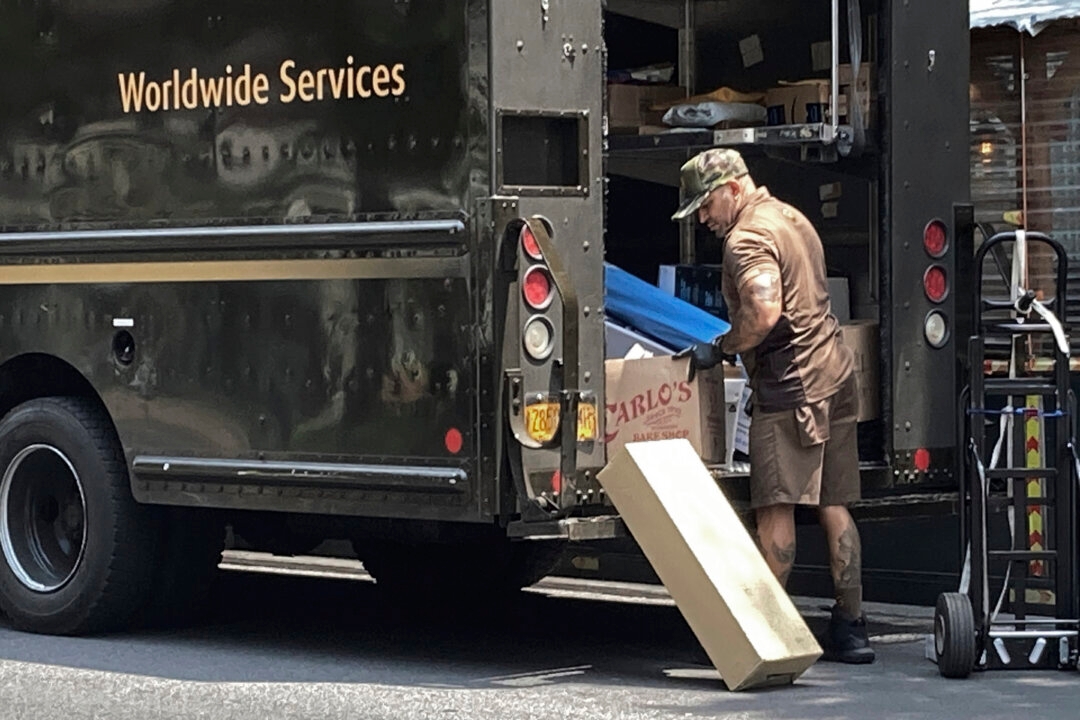
The United States is expanding the revocation of a tariff exemption that facilitated the flow of cheap goods into the country.
President Donald Trump on July 30 signed an executive order ending the de minimis treatment of imports worth less than $800 for all goods entering the country. Accordingly, by Aug. 29, the United States will begin to collect duties on packages that were previously exempt from the payments.
The move expanded on a May decision to end the de minimis exemption for goods originating from China and Hong Kong.
In a statement, the White House said the order simply carried out a plank of the 2025 One Big Beautiful Bill Act ahead of schedule. That law ends the statutory basis of the de minimis treatment worldwide in July 2027.
Targeting Transshipment
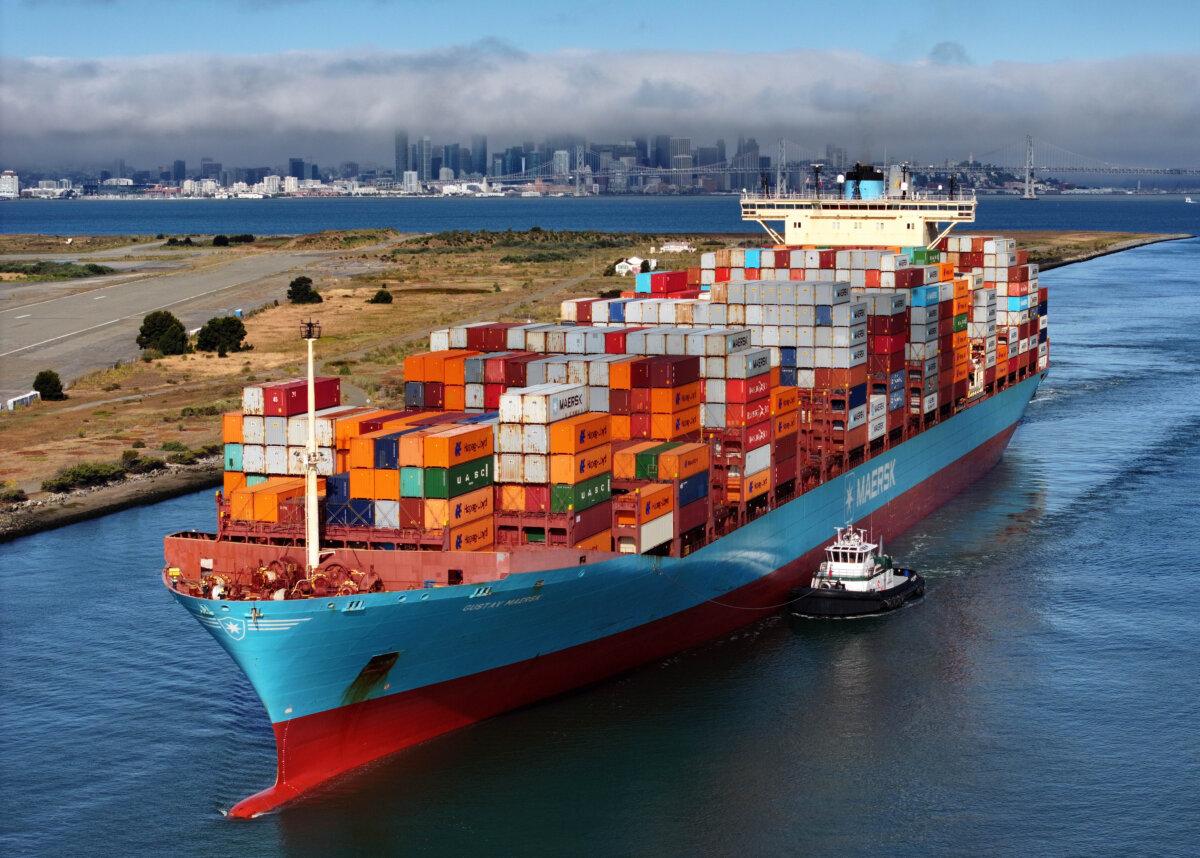
The decision follows up on the Trump administration’s focus on closing the door on transshipment.As the country is drawing up new bilateral trade agreements with global trading partners, it is emphasizing closing routes commonly used by Chinese shippers to avoid tariffs. Recent deals with Indonesia and Vietnam, along with an order calling for higher tariffs on Canadian goods, all highlighted Washington’s mission to cease this end-around practice.
The de minimis exemption was authorized by Congress in Section 321 of the Tariff Act of 1930. The intent was to avoid the expense of employing customs agents to collect an insignificant amount of revenue from small-value imports.
However, Congress authorized raising the de minimis threshold several times. In 2016, the threshold was raised to $800 from $200.
According to multiple Congressional Research Service studies of Customs and Border Patrol data, the number of de minimis imports rose by 470 percent between fiscal year 2013 and fiscal year 2022. Between fiscal year 2018 and fiscal year 2021, about 67 percent of all de minimis imports came from either China or Hong Kong. On average, U.S. customs officials are processing more than 4 million de minimis shipments per day.
.
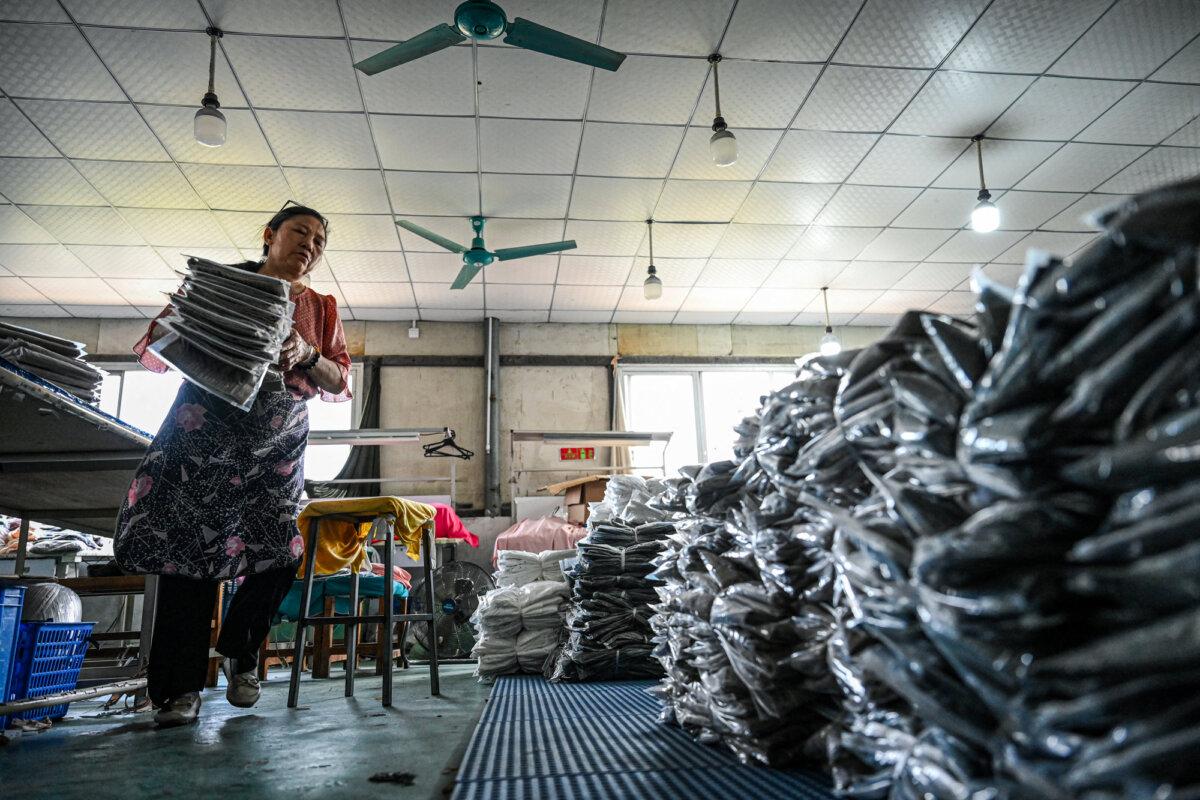
New Customs and Border Patrol (CBP) data shared by the White House indicated that more than 309 million de minimis shipments have entered the United States in the first half of 2025. That is more than twice the 115 million de minimis packages that entered the country in the entirety of 2024.
“CBP is increasingly interdicting de minimis shipments where the certificate of origin is misrepresented in an attempt to circumvent duties,” the White House said in a July 30 statement.
Both Democrats and Republicans recognize the risk posed by millions of minimally screened packages entering the country daily. Before Trump was reelected in 2024, President Joe Biden’s administration acknowledged the adverse effects of the ever-increasing tide of small packages and in September 2024 promised to take action on the matter.
Nevertheless, skeptics such as Clark Packard, a research fellow in the Herbert A. Stiefel Center for Trade Policy Studies at the Cato Institute, said that the original problem the de minimis exemption attempted to solve—outsized use of government resources on small packages—is just going to reappear nearly 100 years later.
“Eliminating de minimis would disrupt direct-to-consumer international trade sales,” Packard said in a February article. “It would force costly restructuring of supply chains, reduced competition, and consumer choices.”
Industry Reactions
American retailers selling everything from toys to towels have fallen on hard times as online shopping has turned shopping at a physical storefront into a rarity for many. In its March bankruptcy filings, retailer Forever 21 specifically cited competition with companies that use the de minimis loophole as a reason for its struggles.Various American trade organizations cheered the death of the de minimis exemption.
“Bad actors have long abused America’s own policy to gain an outrageous advantage over American manufacturers,” Alliance for American Manufacturing President Scott Paul said in a July 31 statement.“The de minimis exemption invites importers and shippers to cheat the system and exploit workers.”
In a statement, National Council of Textile Organizations President and CEO Kim Glas called the de minimis exemption a “backdoor pipeline for cheap, subsidized, and often illegal, toxic and unethical imports.”
“Today’s executive order is a game changer. It restores fairness for U.S. manufacturers ... and lays the groundwork for reinvestment and job creation here at home,” Glas said in a statement.
“This action when implemented will slam the door shut on one of the most damaging trade loopholes in U.S. history.”
Representatives of the Alliance for American Manufacturing and the National Council of Textile Organizations did not respond to a request for comment from The Epoch Times by publication time.
.
International Implications
The May change led to immediate consequences for two of the largest companies that have profited massively on the de minimis exemption: Shein and Temu. The day after the original action, Temu shut down its shipments from the United States to China.In a statement provided to the Epoch Times in May, Temu, which is run by a U.S.-based subsidiary of Chinese e-commerce giant PDD Holdings, said the online marketplace is transitioning “to a local fulfillment model.”
Publicly, Shein has not acknowledged the impacts of the tariffs aside from a small article on its website that says it remains “committed to simple, affordable, all-in pricing.”
Shein, a retailer founded in China in 2012, is officially based in Singapore.
Neither Temu nor Shein responded to a request for comment from The Epoch Times by publication time.
While the removal of the de minimis exemption is designed to target overseas companies, a handful of American shippers and e-commerce companies are likely to feel a pinch as the world readjusts its supply chains.
In recent earnings calls, executives at both United Parcel Service (UPS) and eBay said the broad changes to the global trade order are likely to affect their business negatively.
In a July 29 earnings call, UPS CEO Carol Tome called its current business environment “very volatile.”
On the same call, Tome said the shipping company’s daily average delivery volume dropped by 34.8 percent during May and July. Those declines were likely linked to less parcel traffic between China and the United States immediately following the implementation of the May de minimis order.
In a statement provided to the Epoch Times, UPS said it is “well-positioned to help our customers navigate shifts in global trade.”
“As a result of changes in U.S. customs regulations, starting on August 29, 2025, shippers or recipients must pay duties on all U.S. imports, regardless of their value or how they are routed into the U.S.,” the statement reads. “UPS has systems and processes in place to facilitate payment of applicable duties.”
During an earnings call with investors on July 30, eBay CEO Jamie Iannone specifically warned that the global elimination of the de minimis exemption may impact the online marketplace’s revenue.
In a statement provided to The Epoch Times, eBay said it is focused on helping its buyers and sellers “navigate the fluid trade policy environment.”
“Our investments in shipping initiatives, combined with our global supply and extensive selection of pre-loved goods across a variety of categories, continue to be a strategic advantage,” the eBay statement reads.
“We are confident in our ability to deliver great value to consumers and support our community as they manage through these changes with as little disruption as possible.”
.
What's Your Reaction?
 Like
0
Like
0
 Dislike
0
Dislike
0
 Love
0
Love
0
 Funny
0
Funny
0
 Wow
0
Wow
0
 Sad
0
Sad
0
 Angry
0
Angry
0















Comments (0)