

US Accuses China of Conducting Secretive Nuclear Arms Tests


.
A top U.S. arms control diplomat on Feb. 6 accused China of carrying out secret nuclear weapons tests and called for the adoption of new measures to constrain nuclear arms.
“Today, I can reveal that the U.S. Government is aware that China has conducted nuclear explosive tests, including preparing for tests with designated yields in the hundreds of tons,” Under Secretary of State for Arms Control Thomas DiNanno said at an international arms control conference in Geneva on Friday.
DiNanno said China has tried to minimize the seismic evidence of these tests, using a method known as “decoupling.”
“China conducted one such yield producing nuclear test on June 22 of 2020,” DiNanno added.
DiNanno raised these allegations of secretive Chinese nuclear tests as part of a broader push for new nuclear arms control frameworks after the New Strategic Arms Reduction Treaty (New START) expired on Thursday.
DiNanno noted China was never constrained by New START. He presented this fact as one of several examples demonstrating the shortcomings of the now-defunct arms control agreement.
“This confluence of factors—serial Russian violations, growth of worldwide stockpiles, and flaws in New START’s design and implementation—gives the United States a clear imperative to call for a new architecture that addresses the threats of today, not those of a bygone era,” DiNanno said.
“This means taking into account all Russian nuclear weapons, both novel and existing strategic systems, and addressing the breakout growth of Chinese nuclear weapons stockpiles.”
Under New START, Russia and the United States agreed to cap their number of deployed nuclear warheads at 1,550. Furthermore, the two participating parties agreed to limit their deployed nuclear-armed missiles and bombers to 700, and 800 total nuclear-capable missile launchers or bombers.
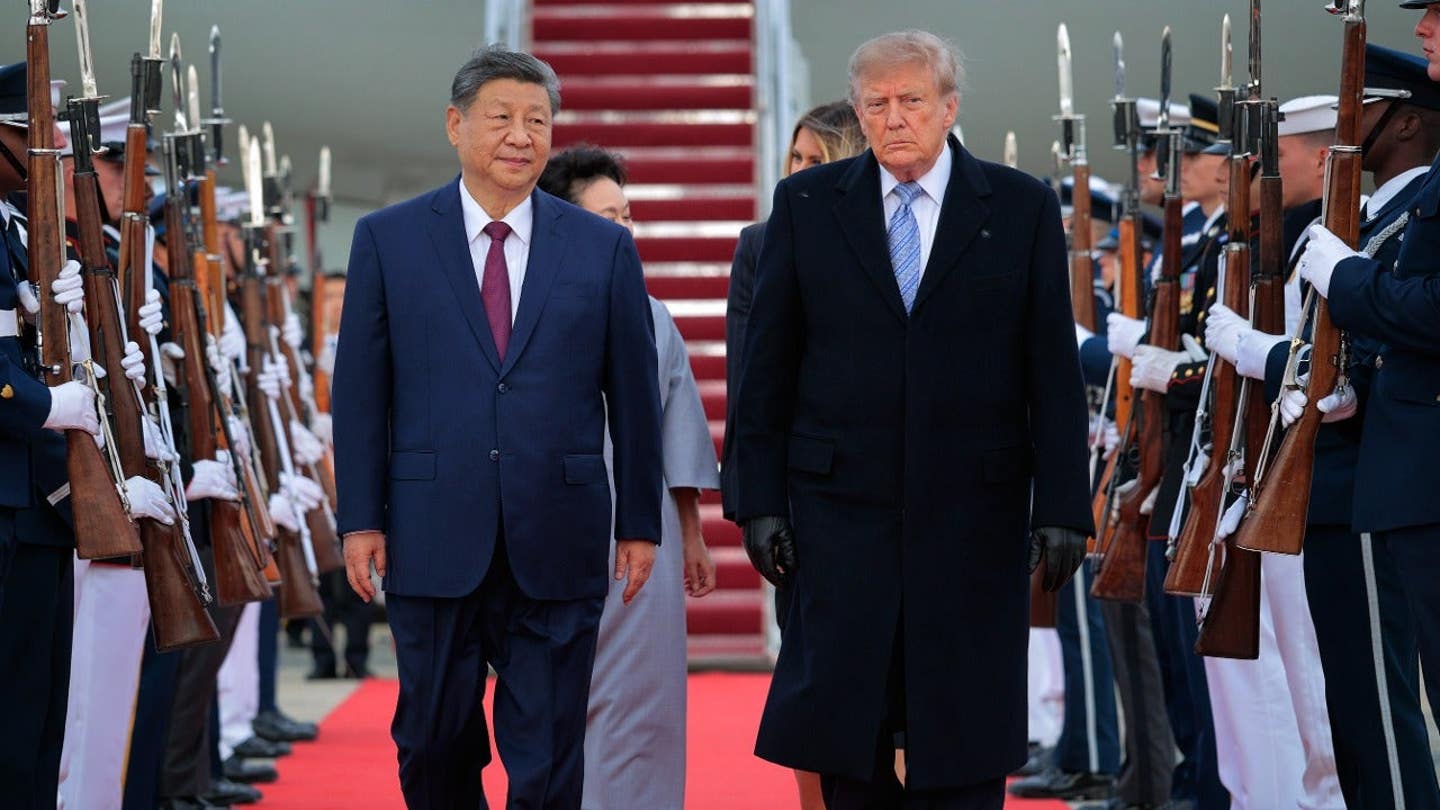
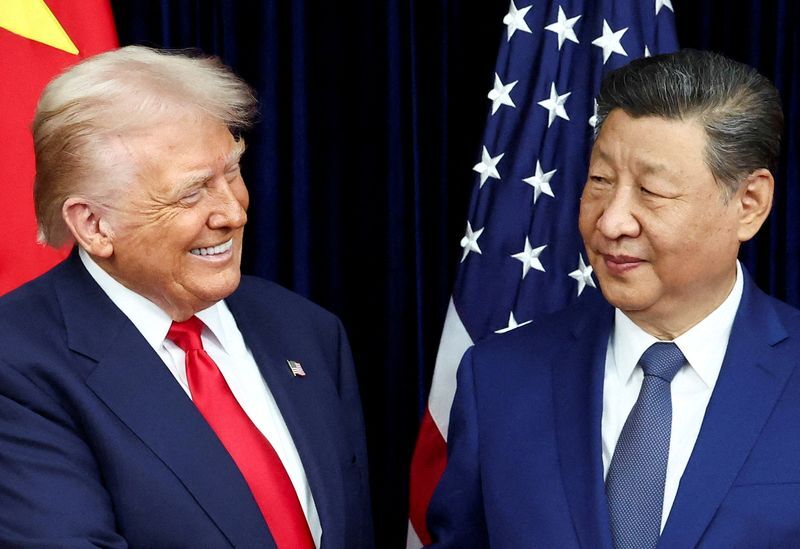
In September 2025, Russian President Vladimir Putin expressed willingness to extend New START by a year. President Donald Trump voiced some initial support for Putin’s proposal, but said in an interview with The New York Times in January: “If it expires, it expires. We’ll do a better agreement.”
On Thursday, Trump reiterated his intent to negotiate a new arms control framework.
“Rather than extend ‘NEW START’ (A badly negotiated deal by the United States that, aside from everything else, is being grossly violated), we should have our Nuclear Experts work on a new, improved, and modernized Treaty that can last long into the future,” Trump wrote in a post on Truth Social.
Speaking to reporters on Feb. 5, Kremlin spokesman Dmitry Peskov expressed regret that New START could not be extended.
“In any case, Russia maintains a responsible and careful approach to the issue of strategic stability in the field of nuclear weapons and will, as always, be guided primarily by its own national interests,” Peskov said in comments published by the Russian state-run TASS news agency.
Responding to New START’s expiration and calls for a new arms control framework on Thursday, the Chinese foreign ministry said Beijing “will not take part in nuclear disarmament negotiations for the time being,” noting that China’s nuclear arsenal is not on par with those of the United States and Russia.
In a 2025 report, the Federation of American Scientists assessed that the United States and Russia together possess about 86 percent of the world’s nuclear weapons.
What's Your Reaction?
 Like
0
Like
0
 Dislike
0
Dislike
0
 Love
0
Love
0
 Funny
0
Funny
0
 Wow
0
Wow
0
 Sad
0
Sad
0
 Angry
0
Angry
0














Comments (0)