

Trade Rep Says Trump May Fast-Track 100 Percent Tariff If China Escalates Rare Earth Fight


.
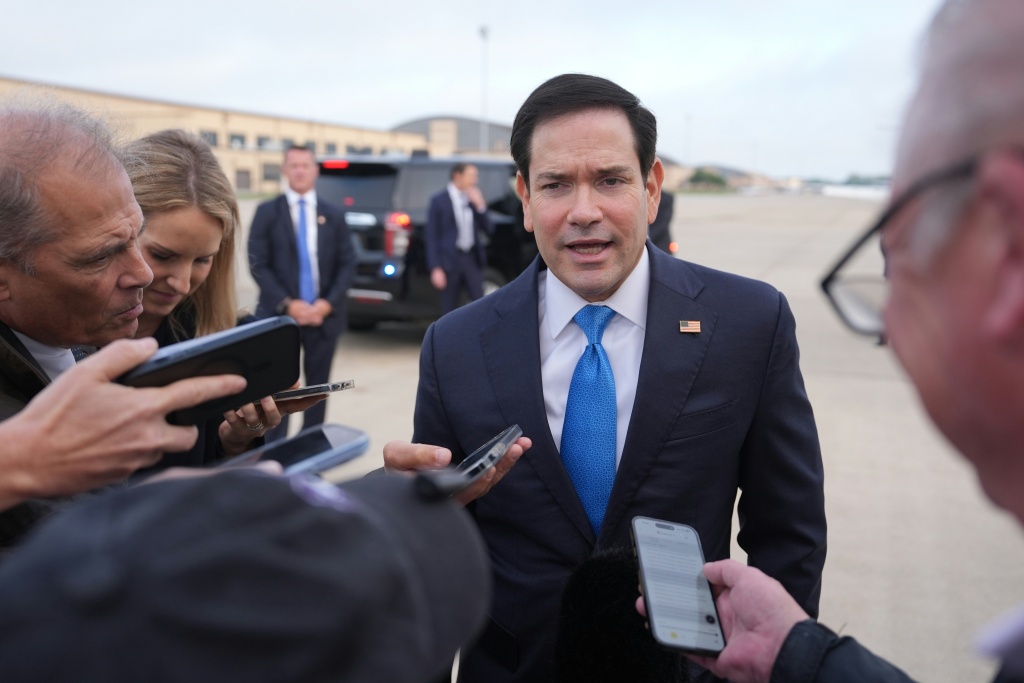
U.S. Trade Representative Jamieson Greer said President Donald Trump may still follow through with a threatened new 100 percent tariff on Chinese goods on Nov. 1—or even sooner—depending on Beijing’s next move in an escalating trade dispute over rare earth mineral supplies.
Greer’s remarks came amid elevated tensions after China expanded export controls on Oct. 9, adding five new rare earth elements and dozens of processing technologies to its restricted list. The move triggered alarm in Washington, where officials view Chinese control over the supply of critical minerals as a strategic vulnerability.
Greer echoed that warning in his CNBC appearance, saying China must not be allowed to wield veto power over strategic materials.
“We can’t have a situation where the Chinese keep this regime in place where they want to have veto power over the world’s high-tech supply chains,” he said, adding that whether Trump proceeds with 100 percent tariffs depends on what China does.
Greer confirmed that Trump and Xi remain scheduled to meet but emphasized that those plans could change if Beijing presses ahead with export restrictions.
“Whether it will go through or not, I don’t want to precommit either ourselves or the Chinese,” he said. “But I think it makes sense for people to talk when they can.”
Despite the sharp rhetoric, Greer said communications remain open. Senior U.S. and Chinese officials held staff-level talks on the rare earth issue in Washington as recently as Monday, he said.
“We think we’ll be able to work through it,” Greer said, praising Trump’s deal-making approach and saying Beijing appeared to recognize it had “overstepped.”
Rare earth minerals are essential for high-strength magnets used in U.S. weapons systems, electric vehicles, semiconductors, and renewable energy technologies. China controls around 60 percent of global mining and more than 90 percent of refining capacity, with the United States reliant on China for roughly 70 percent of its rare earth imports.
China’s Oct. 9 move tightened export permit requirements not only on rare earth elements but also on alloys, magnets, and battery components that contain trace Chinese-origin minerals. Chinese state media commentators have long called for weaponizing rare earths in response to U.S. export controls on advanced chips.
The rare earth battle is unfolding alongside broader strategic tensions. Washington has curbed China’s access to advanced chips and chipmaking tools—partly in response to Beijing’s increasingly aggressive posture in the South China Sea and toward Taiwan.
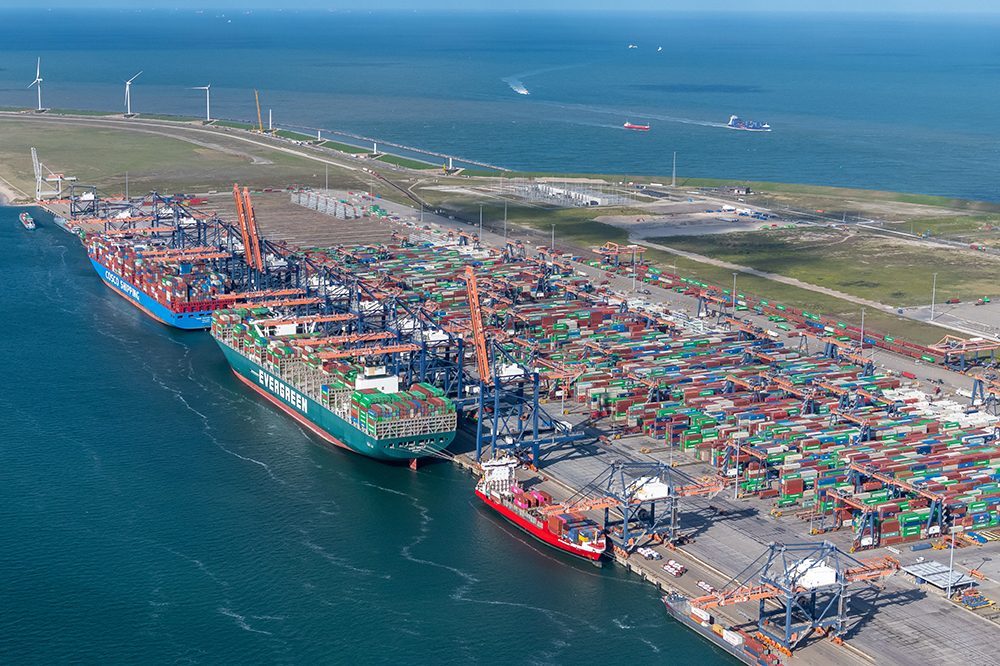
Beijing has curbed U.S. soybean purchases and imposed reciprocal port fees, while signaling that it could tighten other commodity flows if tensions escalate.
.
What's Your Reaction?
 Like
0
Like
0
 Dislike
0
Dislike
0
 Love
0
Love
0
 Funny
0
Funny
0
 Wow
0
Wow
0
 Sad
0
Sad
0
 Angry
0
Angry
0













Comments (0)