

The Strategy That Could Help US Decouple From China’s Rare Earths

.
Boarded-up mines across the world are rusting symbols of how China seized the world’s critical minerals supply chain.
Now, some of these mines—closed not because they ran dry, but by Beijing’s oversupply and price dumping—could be reopened as the Trump administration rallies nations to overthrow China’s supply chain dominance.
Getting a new mine up and running can take up to 15 years. So mothballed mines could provide a timely stopgap, according to industry experts.
Digging out the minerals, however, is only half the challenge. When the United States and the broader Western world abandoned their mines, they also abandoned the race for the all-important extraction process.
Arizona-based mining automation consultant Avadh Nagaralawala said that reopening mines is “a tempting shortcut.”
“The ore bodies are proven, some infrastructure remains, and timelines can be shorter than starting from scratch,” he told the Epoch Times via email.
Such projects also “carry powerful symbolism,” Nagaralawala said.
He noted that many sites closed because of declining grades, high operating costs, and local resistance to pollution.
“The hard truth remains: the West wants more minerals but fewer mines in its own backyard,” he said.
Rare earth elements, a group of 17 metals crucial to everything from permanent magnets in wind turbines to electric vehicle motors, are hard to extract and even tougher to process.
Much of the essential refining technology and know-how now lies in China’s hands, along with the all-important supply chains.
The same pressures apply to other critical minerals, such as lithium, cobalt, nickel, graphite, and copper, which underpin battery production and much of the modern electricity system.
Over the last few months, the trade war between the United States and China brought the issue of Beijing’s control of critical minerals to a head.
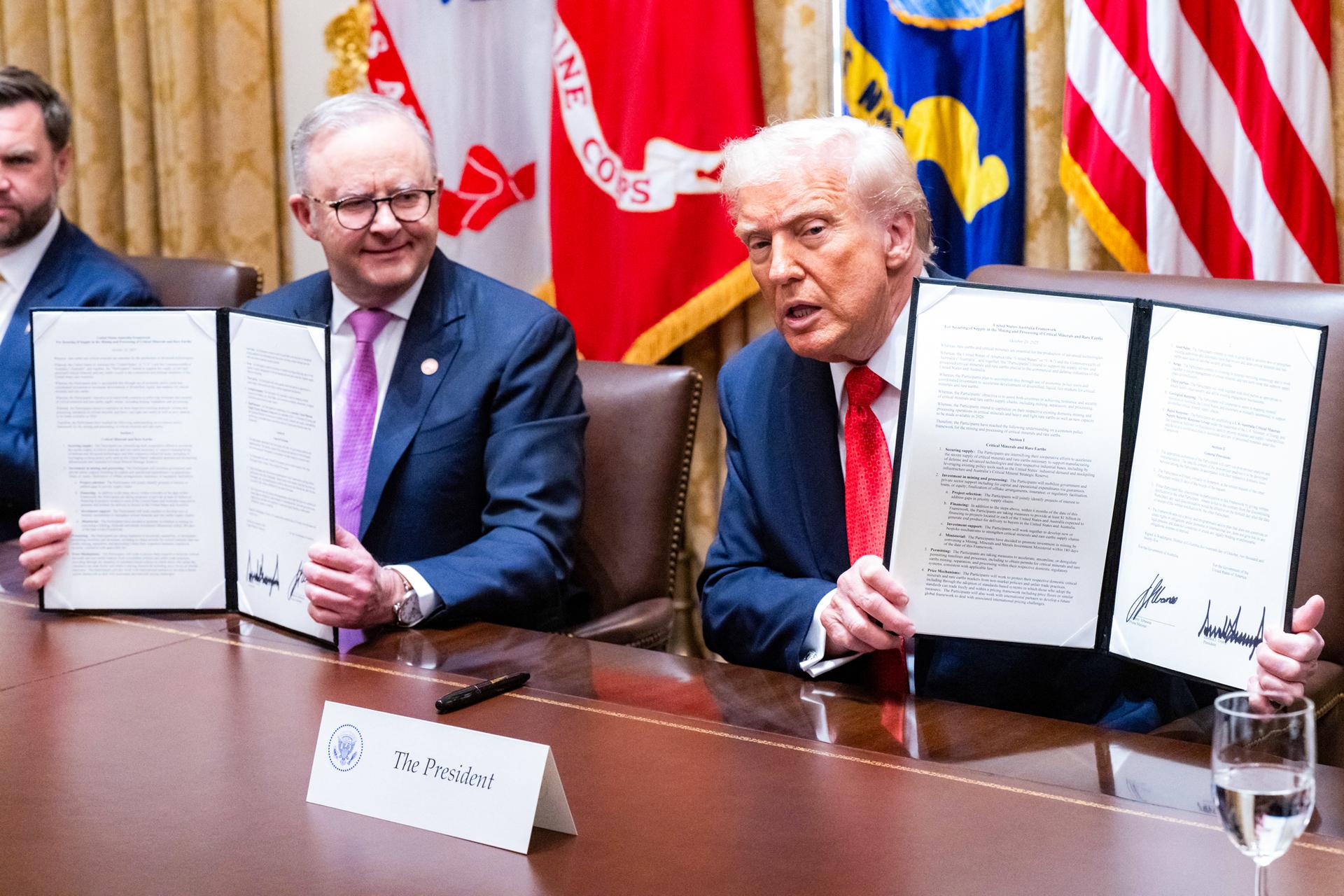
Brussels is not sitting idly by, either. European Commission President Ursula von der Leyen said on Oct. 25 that the bloc will unveil a new plan by year-end to diversify Europe’s mineral supply away from China.
The challenge is vast. The world needs around 300 new mines over the next 25 years just to meet current demand, according to Troy Hey, executive general manager at global miner MMG, which is majority-owned by China Minmetals.
Dormant or Suspended Projects
Across the United States, Australia, Canada, and Europe, dozens of long-dormant or suspended mining projects are now slated to reopen or are under active review, according to analysis by The Epoch Times.These projects include sites where companies are conducting feasibility studies, securing permits, or arranging financing to restart production.
The United States also still maintains a major foothold with the Mountain Pass mine in California, the only fully integrated rare earth mining and processing site in North America, which by 2022 supplied about 15 percent of global output.
.
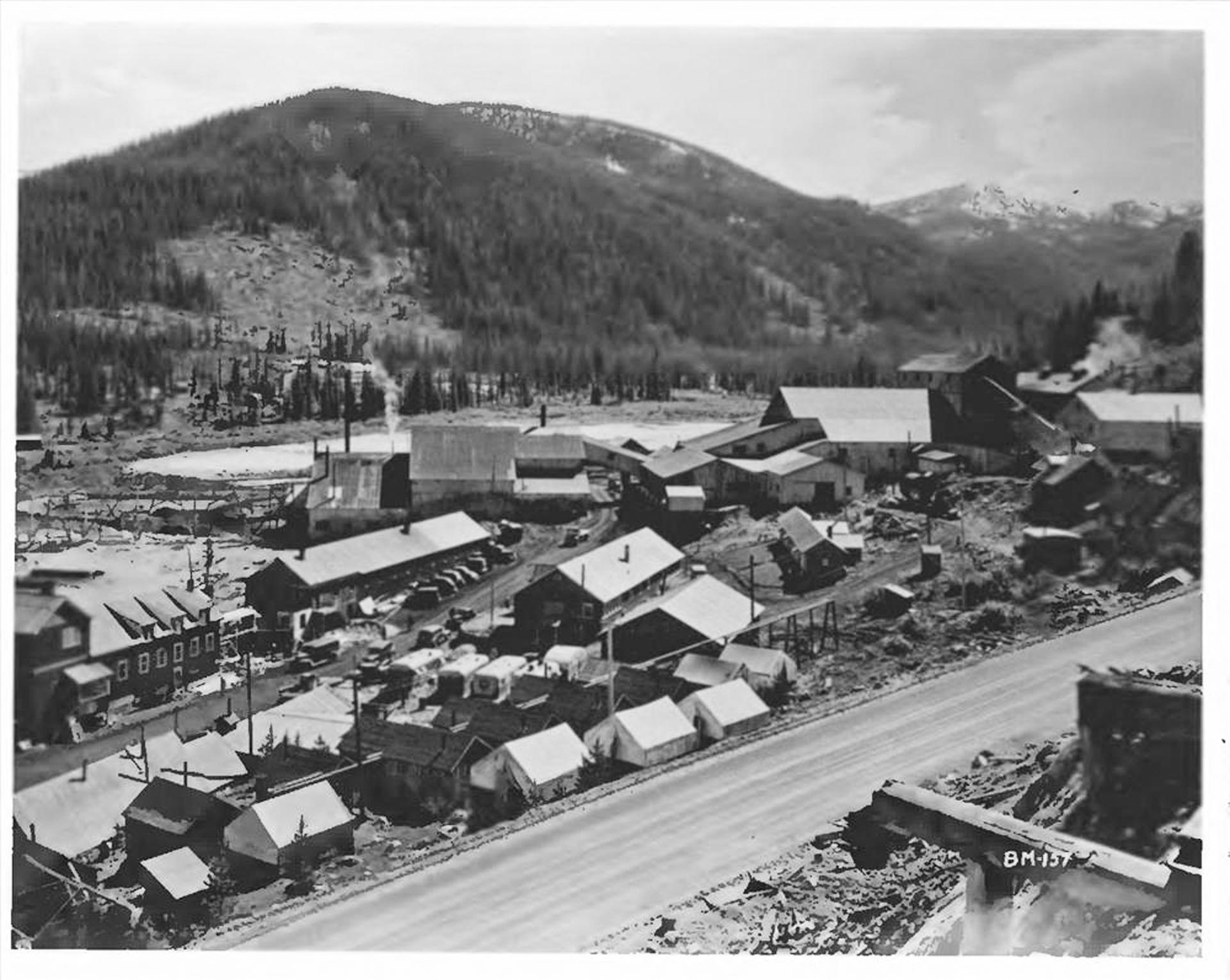
In Australia, the historic Mount Morgan Gold Mine, which has been closed since 1981, is now undergoing rehabilitation and is slated for reopening. New investment was announced in 2025 to restore production at one of the country’s oldest gold sites, according to The Courier Mail.
Last year, BHP Group suspended its Western Australia nickel operations, citing a price collapse triggered by Chinese dominated oversupply from Indonesia.
In Sweden, the Woxna graphite mine remains on standby, but would require major investment to restart. Graphite is the largest raw material component in electric vehicle batteries, and China currently refines nearly all of the world’s battery-grade supply.
Understanding Reopening
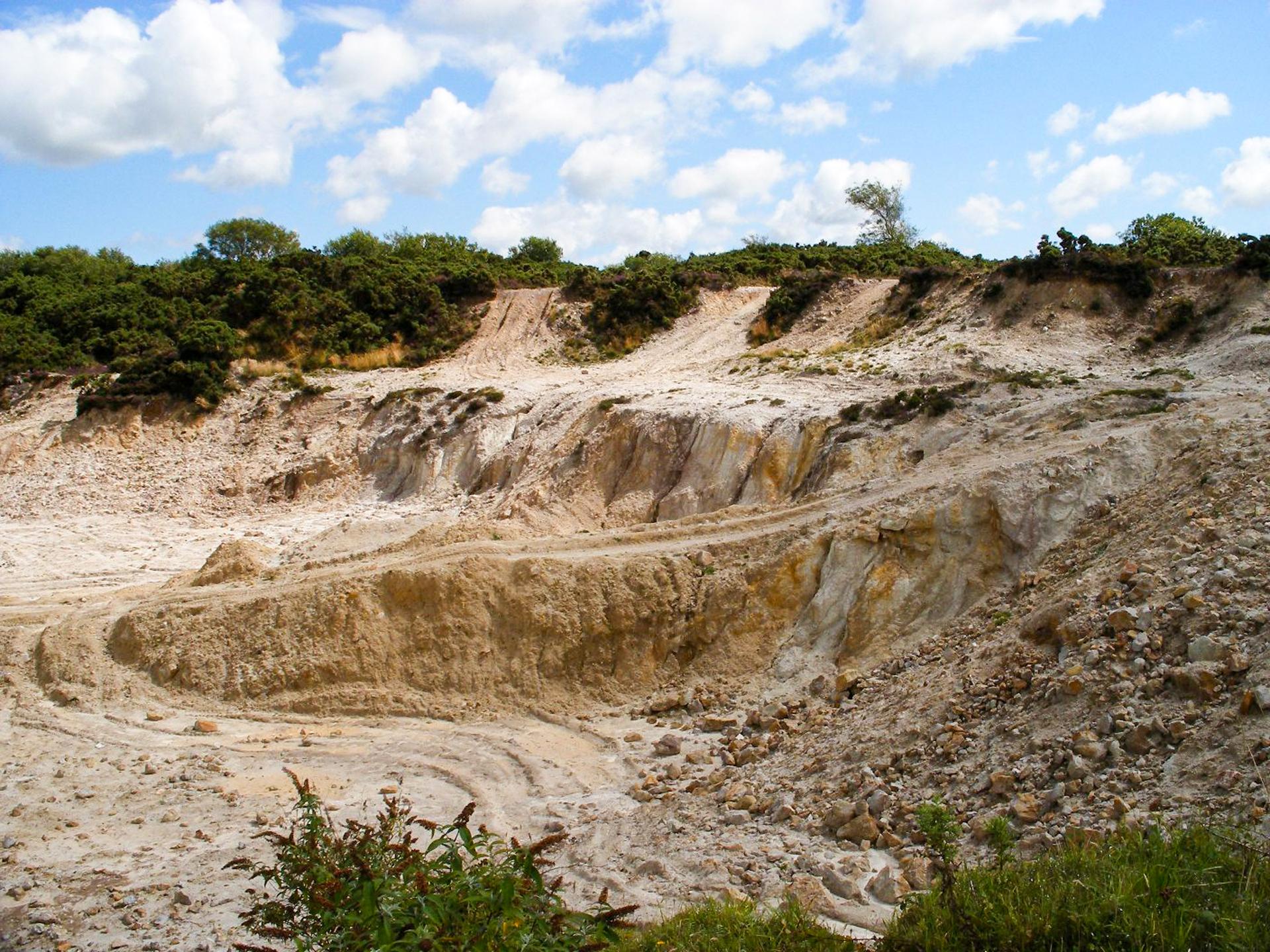
Reopening old mines has its limits, says veteran geologist Darren Bahrey, founder, president, and CEO at StrategX Elements Corp, with over 30 years of experience in mining development.“Opening old mines makes sense where there’s clear economic potential or cleanup value, but the real contribution will come from new exploration in regions that can fast-track development into the supply chain,” Bahrey told The Epoch Times.
He noted that Canada is a “standout example,” following the federal government’s recent $2 billion investment.
“New mine development and processing capacity will be essential, and governments need to make permitting a priority rather than a bottleneck,” he said.
“The real shortage lies in our basket of critical minerals (nickel, vanadium, copper, cobalt, and graphite).”
Bahrey said there’s “definitely rising demand,” and the region to watch is the Americas.
There is also an environmental case for reopening mines, which, once abandoned, can discharge increasing amounts of pollutants into rivers and aquifers over time.
“Water can accumulate and turn acidic, tailings can oxidize, and infrastructure like liners or containment systems can fail over time without maintenance,” Bahrey said.
“Limited, well-managed operations often reintroduce active water treatment, monitoring, and containment, which can make the overall footprint cleaner and more sustainable over time than leaving the site to deteriorate unmanaged.”
.

Mining Alone Won’t Thwart China
Steve Christensen, co-founder and chief executive of the Responsible Battery Coalition, told The Epoch Times the mining industry is grateful for Trump’s leadership so far. But he said mining more material doesn’t solve the issues of China’s market manipulation.“They’ll dump their cheap materials into a market, they’ll lower the price so far down, they’ll take a loss on it,” he said.
“When your competitor doesn’t care about profits, it’s very hard to compete.”
Bob Bilbruck, founder and CEO of the strategic consulting firm Captjur and an expert in the mining sector, told The Epoch Times via email that the Biden administration, through the Environmental Protection Agency, “made it almost impossible to expand mining at these existing or mothballed mines.”
The Value in Waste
Much of the metal that could ease shortages is trapped in low-grade ore, tailings, and waste rock, beyond the reach of current extraction techniques.Scientist and inventor Eric Herrera is the CEO of Maverick X, a company that is developing methods to recover more metal from existing ore and waste.
He told The Epoch Times that the invention of the extraction technology was driven by the collapse of lithium prices.
.

“Now we’re starting with uranium, radium, and rare earth elements as well.”
All kinds of metals are mixed together in various states within mineral rocks, he said.
His approach is to “take everything out.”
“Let’s juice that rock for all it’s worth—that’s basically what we’re doing,” Herrera said.
He said that recovering rare earths from discarded electronics and other industrial waste is one of the “lowest hanging fruit.”
He also pointed to gallium, used in semiconductor applications such as integrated circuits and LEDS, as proof of concept. There are no gallium mines; it is a byproduct of processing other ores, a process China perfected and now controls 80 percent of globally.
“Emulating that process is going to be absolutely essential,” Herrera said.
“The problem there is that technology—the gallium technology, the rare earth and separation technology—all developed in the United States. It was abandoned.”
What's Your Reaction?
 Like
1
Like
1
 Dislike
0
Dislike
0
 Love
1
Love
1
 Funny
0
Funny
0
 Wow
1
Wow
1
 Sad
0
Sad
0
 Angry
0
Angry
0













Comments (0)