

The Real Causes of Under-Eye Bags — And What Actually Helps
Under-eye bags are one of the most common cosmetic complaints, but the reasons behind them go far beyond "bad sleep." From genetics and allergies to age-related tissue changes and, in traditional Chinese medicine, internal organ imbalances, the causes are more varied — and more manageable — than most people realize.

.
A Problem Almost Everyone Notices Eventually
Puffy under-eyes are so common that most people experience them at some point, whether after a late night or simply as they get older. The instinct is usually to blame poor sleep. But according to medical experts, sleep is only one piece of a much bigger puzzle.
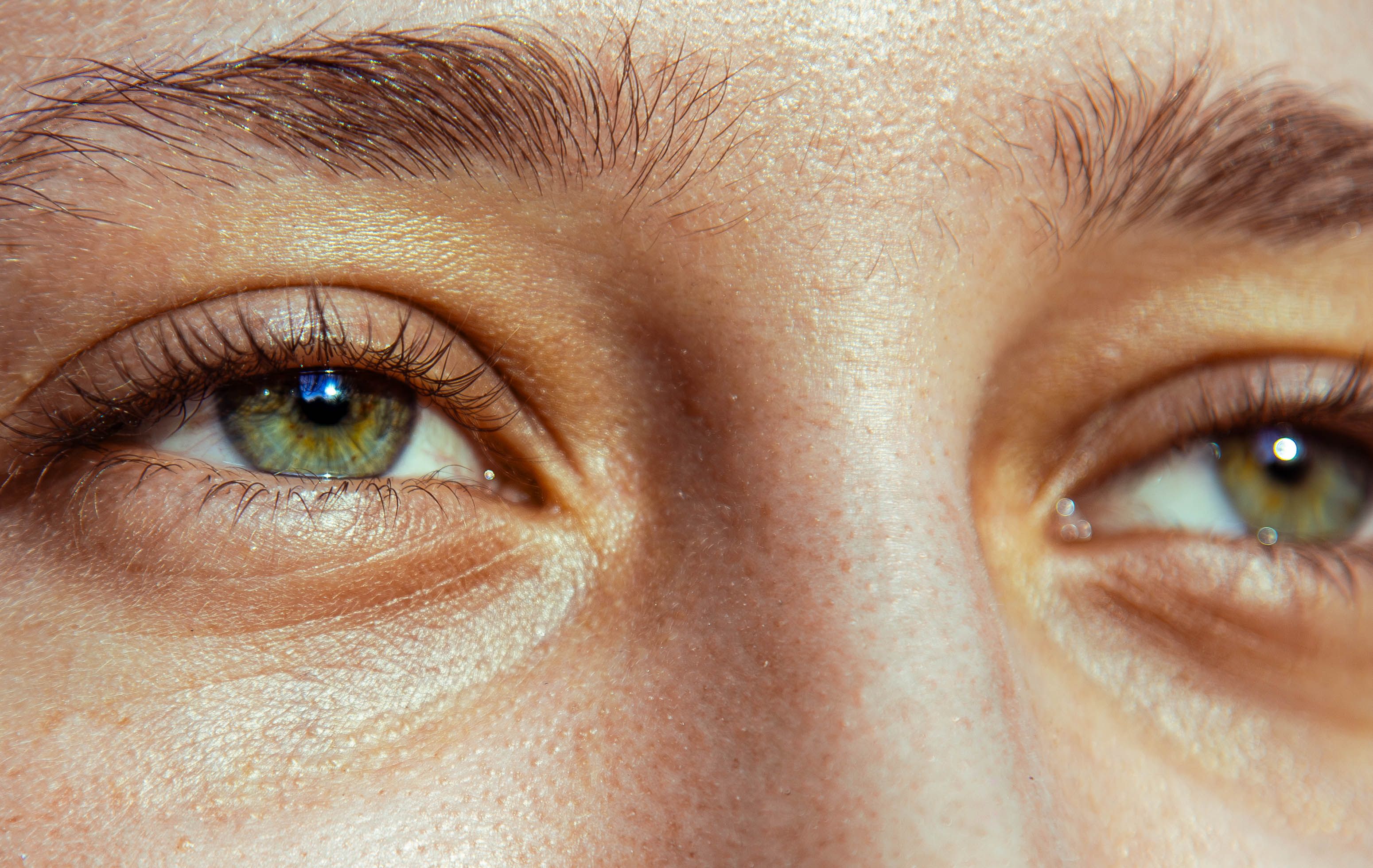
The skin under the eyes is thinner and has less supporting fat than skin elsewhere on the face. That makes it especially sensitive to fluid shifts, aging, and inflammation — which is why bags form there before almost anywhere else on the body.
.
What Western Medicine Says Causes Eye Bags
Doctors at Johns Hopkins Medicine point out that under-eye puffiness can stem from several overlapping factors: aging, genetics, fluid retention, allergies, and lifestyle habits such as high salt intake can all contribute to puffiness, and home remedies like cold compresses and caffeine-based creams may only help temporarily. For bags that don't go away, doctors note that cosmetic treatments such as fillers or eyelid surgery are sometimes the only lasting fix.
Age plays an outsized role. As the tissue and muscles that hold the eyelids in place weaken over time, fat that normally cushions the eye can shift downward into the lower eyelid, creating a puffy appearance, while fluid buildup adds to the swelling. This is a normal part of aging and, in most cases, is not a sign of a health problem.
That said, doctors caution that persistent or unusual swelling can occasionally point to something else. Under-eye puffiness has also been linked to thyroid disorders, sinus problems, and issues involving fluid regulation in the body, so cases that don't respond to lifestyle changes are worth mentioning to a doctor.
Allergies are another frequent trigger. Reactions to pollen, pet dander, or irritants can inflame the tissue around the eyes, often alongside other allergy symptoms such as a stuffy nose or itchy eyes. Rubbing the eyes — a common response to fatigue or irritation — can make the swelling worse.
.
The Traditional Chinese Medicine View
Traditional Chinese medicine (TCM) approaches the issue very differently, framing eye bags as an outward sign of internal imbalance rather than a purely cosmetic or structural issue. Practitioners describe the eyes as a kind of mirror for the body's organs. According to TCM texts, the eyes draw on the vital essence of the body's five main organ systems — including the liver, kidneys, and spleen — and any weakness in these systems can show up around the eyes.
In this framework, three organ systems are considered especially relevant:
Spleen imbalance is associated with soft, puffy bags caused by poor fluid processing in the body, often linked to diet and digestion. Liver imbalance — frequently tied to late nights and irregular sleep — is thought to disrupt the smooth flow of energy and blood, dulling the complexion and worsening puffiness over time. Kidney deficiency, associated with the natural aging process, is linked to weakening tissue support and looser, more persistent bags.
TCM practitioners typically address these imbalances through herbal remedies, dietary adjustments, and targeted acupressure — including gentle massage around specific points near the eyes and brow, said to improve local circulation.
.
Where the Two Approaches Overlap
Despite their different explanations, Western medicine and TCM arrive at some strikingly similar advice. Both traditions point to sleep quality, diet, and circulation as key factors in how puffy the under-eye area looks. Both also treat eye bags primarily as a cosmetic concern rather than a medical emergency in most cases, while agreeing that sudden, severe, or one-sided swelling deserves a doctor's attention.
Lifestyle changes recommended across both systems include cutting back on salt and alcohol, managing allergies, sleeping with the head slightly elevated, and staying hydrated — simple steps that can reduce puffiness without medical intervention.
.
Outlook: Manage, Don't Panic
For most people, under-eye bags are a cosmetic nuisance rather than a health warning sign. Whether someone prefers a lifestyle-based approach, TCM remedies, or dermatological treatments, experts on both sides agree that consistency — good sleep, balanced diet, and stress management — matters more than any single quick fix. Persistent, worsening, or one-sided swelling, however, is the clearest signal to see a physician rather than reach for a home remedy.
.
Sources
- Johns Hopkins Medicine – "How to Get Rid of Bags Under Your Eyes": https://www.hopkinsmedicine.org/health/expert-qa/how-to-get-rid-of-bags-under-your-eyes
- Medical News Today (citing the American Academy of Ophthalmology) – "Under-eye swelling (puffy eyes): Causes, treatment, and more": https://www.medicalnewstoday.com/articles/swollen-under-eye
- UM Health-Sparrow – "Bags under eyes": https://www.uofmhealthsparrow.org/departments-conditions/conditions/bags-under-eyes
- Herbal Reality – "Eye health: A traditional Chinese medicine perspective": https://www.herbalreality.com/condition/eye-health-chinese-medicine-perspective/
.
What's Your Reaction?
 Like
0
Like
0
 Dislike
0
Dislike
0
 Love
0
Love
0
 Funny
0
Funny
0
 Wow
0
Wow
0
 Sad
0
Sad
0
 Angry
0
Angry
0











Comments (0)