

The Hidden Price of High Heels: What Years of Elevated Footwear Really Do to Your Body
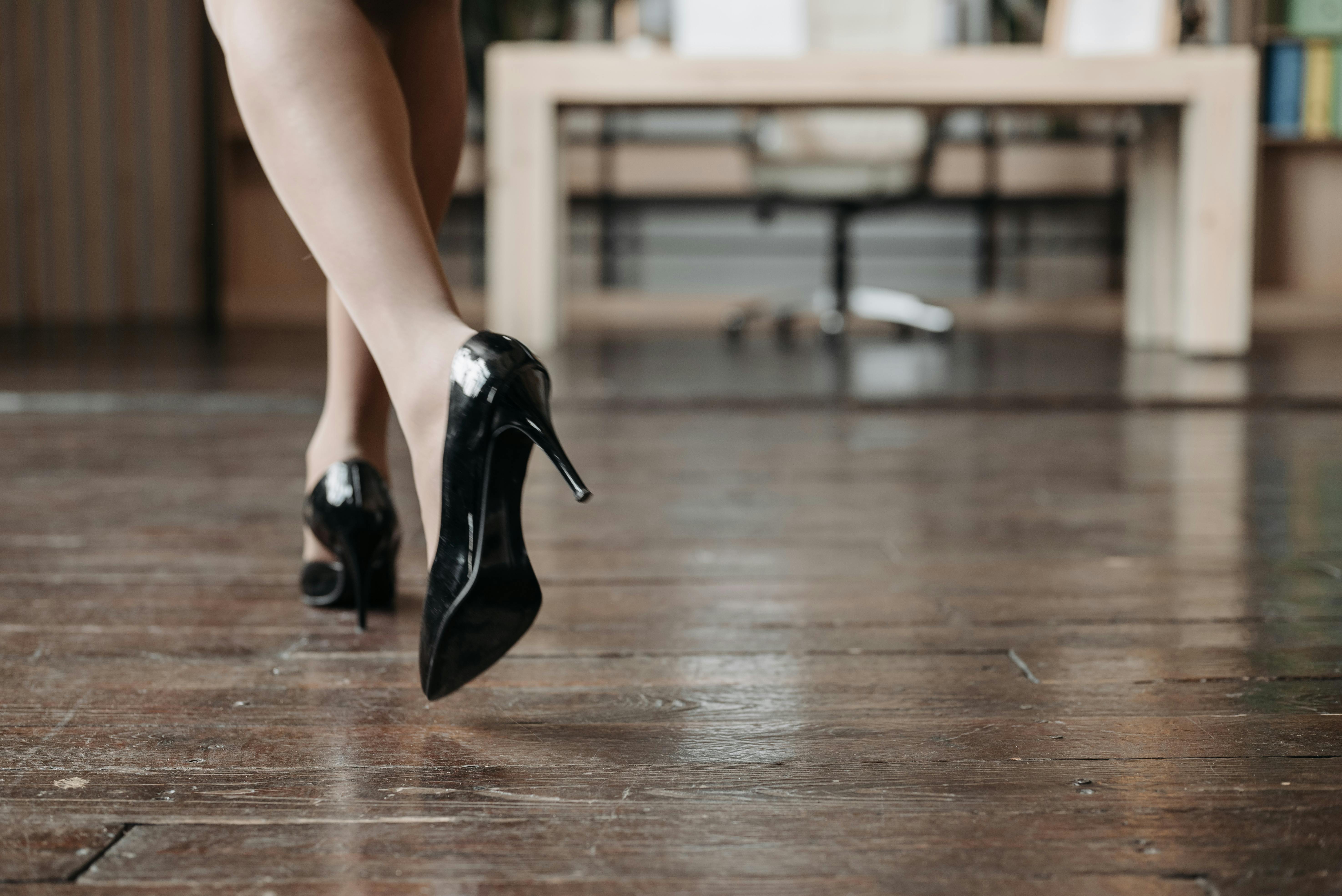
High heels are a fashion staple with centuries of history – but what happens to your body after years of wearing them? Podiatrists and medical researchers have clear answers, and they're not pretty. From foot deformities to chronic back pain, the long-term effects go far beyond sore soles.

.
A Shoe With Centuries of Staying Power
High heels have one of the more surprising origin stories in fashion history. They were first worn by Persian cavalry riders in the 10th century, who used a raised heel to keep their feet secured in stirrups during battle. By the 17th century, European aristocrats – mostly men – had adopted the style as a symbol of social status and power.
It wasn't until the mid-19th century that heels became firmly associated with women's fashion. Since then, they've been woven into dress codes, workplace expectations, and cultural standards of femininity. Today, despite a measurable shift toward comfort-first footwear, high heels remain a multi-billion-dollar segment of the global shoe market.
But the fashion industry is facing reality. Global high-heel sales have been declining for over a decade, driven partly by changing workplace norms and partly by a growing awareness of what these shoes actually do to the human body.
What Happens the Moment You Put Them On
The physics of high heels are straightforward – and unforgiving. As soon as the heel is raised off the ground, the body's weight shifts forward onto the ball of the foot. This area was never designed to carry that load over extended periods.
According to the American Podiatric Medical Association (APMA), wearing heels regularly increases pressure on the forefoot by up to 75 percent compared to walking barefoot. That's a significant mechanical stress applied to a relatively small area of the body, repeated with every single step.
At the same time, the Achilles tendon – the thick cord connecting the calf muscle to the heel bone – is forced into a shortened, contracted position. Over time, this leads to a measurable loss of flexibility. Many long-term heel wearers report that flat shoes eventually feel uncomfortable or even painful: the tendon has physically adapted to the elevated position.
The way you walk changes too. Stride length shortens, posture shifts forward, and compensatory movements develop in the knees, hips, and lower spine – even when the heels are off.
The Knees, Back, and Spine Pay the Price Too
The damage doesn't stay in the foot. It travels upward through the body in a chain of compensations.
Research published in the Journal of Orthopaedic Research found that walking in high heels significantly increases compressive forces on the inner knee joint – a loading pattern associated with a higher risk of osteoarthritis over time. The higher the heel, the greater this force.
Further up, the lumbar spine – the lower back – is forced into an exaggerated curve to keep the upper body balanced over a shifted center of gravity. This sustained misalignment creates chronic muscle tension and can contribute to disc compression. Studies by the British Chiropractic Association have consistently identified high-heel use as a contributing factor in lower back pain among women.
The calves and quadriceps also work significantly harder than normal just to maintain upright posture and forward movement, leading to muscular imbalances that compound over years of regular wear.
The Long-Term Conditions Doctors See Most Often
Orthopedic and podiatric clinics tell a consistent story. The conditions most commonly linked to prolonged high-heel use include:
Bunions – A bony protrusion at the base of the big toe, caused by the toe being pushed inward repeatedly over time. Once formed, bunions rarely resolve without medical intervention.
Hammertoes – A deformity where one or more toes curl downward due to persistent compression inside a narrow toe box.
Plantar Fasciitis – Inflammation of the thick band of tissue running along the bottom of the foot. This condition causes intense heel pain, particularly in the morning, and is notoriously difficult to treat once chronic.
Morton's Neuroma – A thickening of nerve tissue between the toes, caused by repeated compression. It produces a burning or tingling sensation and can become permanently painful.
According to data from the APMA, approximately 42 percent of women report having worn uncomfortable shoes knowing they caused damage – and nearly half say they continue doing so for the sake of appearance.
Frequency Matters as Much as Height
One of the most important clinical distinctions is not just how high the heel is, but how long and how often it's worn.
Medical professionals consistently draw a line between occasional use and daily wear. A heel worn for two hours at a formal event places far less cumulative stress on the body than the same shoe worn eight hours a day, five days a week, for years.
Heel height is the other key variable. Research suggests that once a heel exceeds approximately five centimeters (roughly two inches), forefoot pressure rises sharply and the risk of structural changes increases. The narrower the toe box and the thinner the heel, the more pronounced these effects become.
How to Reduce the Damage Without Giving Them Up
For those not ready to retire their heels entirely, targeted adjustments can meaningfully reduce long-term harm.
Choose a lower heel. Keeping heel height under five centimeters significantly reduces forefoot load and spinal strain.
Prioritize a wider toe box. Shoes that allow the toes to sit in their natural spread position reduce the risk of bunions, nerve compression, and hammertoes.
Opt for a block or platform heel. These designs distribute body weight more evenly than stilettos and offer greater stability.
Limit daily wear time. Alternating between heels and supportive footwear throughout the day gives the body a chance to recover between periods of elevated stress.
Stretch consistently. Podiatric specialists recommend daily calf and Achilles stretching to counteract the tendon shortening caused by regular heel use. A simple method: loop a towel around the ball of the foot and gently pull upward while keeping the leg straight, holding the stretch for 30–60 seconds per side.
The Market Is Responding – Fashion Is Catching Up
The cultural shift is visible in sales data and on city streets. Ballet flats, loafers, Mary Janes, and kitten heels have surged in popularity across Europe and North America. Luxury brands that once built their identity on stilettos have expanded their flat and low-heel offerings significantly.
Kitten heels – typically under four centimeters – occupy a practical middle ground: they retain a formal or polished aesthetic while avoiding most of the orthopedic risks associated with higher heels. Fashion stylists increasingly position them as a smart long-term investment over statement stilettos.
The body of evidence is clear: the higher the heel, the more frequent the use, the greater the toll. That doesn't necessarily mean giving them up entirely – but it does mean making more deliberate choices about when, how often, and for how long they're worn.
Your feet have been carrying the message for years. It may finally be worth listening.
.
Sources
- American Podiatric Medical Association (APMA) – High Heels and Foot Health: https://www.apma.org/patients/FootHealth.cfm?ItemNumber=1551
- Journal of Orthopaedic Research – Biomechanical effects of heel height on knee joint loading: https://onlinelibrary.wiley.com/journal/1554527x
- British Chiropractic Association – High Heels and Back Pain: https://chiropractic-uk.co.uk/high-heels-and-back-pain/
- Harvard Health Publishing – The real risks of high heels: https://www.health.harvard.edu/pain/the-hazards-of-high-heels
- NHS – Foot Pain and High Heels: https://www.nhs.uk/live-well/healthy-body/foot-problems/
.
What's Your Reaction?
 Like
0
Like
0
 Dislike
0
Dislike
0
 Love
0
Love
0
 Funny
0
Funny
0
 Wow
0
Wow
0
 Sad
0
Sad
0
 Angry
0
Angry
0
















Comments (0)