

Simple Home Remedies for Burns, Cuts, and Insect Bites


.
Insect bites, kitchen cuts, or burns can catch us off guard. If not managed properly, such wounds may take longer to heal and carry a higher risk of infection.
Dealing With Burns
Some people turn to home remedies, such as applying toothpaste or flour to the affected area. However, these practices are not only ineffective but also potentially harmful. Such substances lack antibacterial and anti-inflammatory properties and can trap residual heat in the tissue, increasing the risk of infection.Step 1: Cool the Area With Water
Immediately rinse the burned area under cool running water to reduce skin temperature and minimize tissue damage.Step 2: Apply Talcum Powder and Olive Oil
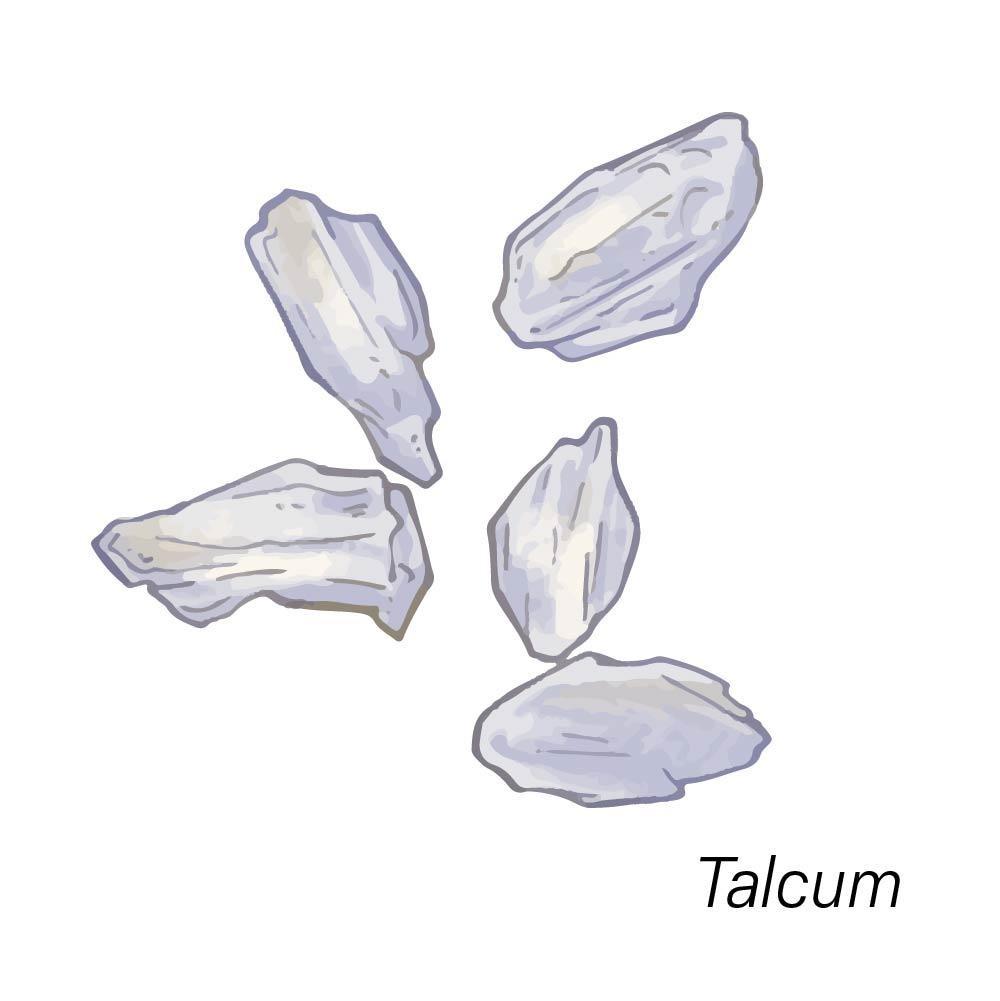
A traditional remedy in traditional Chinese medicine (TCM) involves mixing one part talcum powder with one to 1.5 parts olive oil to form a smooth paste and applying it to the burned area. This may help relieve pain and reduce the risk of scarring.Talcum powder is primarily composed of magnesium silicate. Its strong absorbent properties help keep the skin dry, which may support wound healing and reduce the risk of infection.
Additionally, talcum powder forms a protective barrier on the skin’s surface, helping to shield the injured area. It also exhibits mild antibacterial activity against certain pathogens—particularly Staphylococcus aureus and some gram-negative bacteria—which may help reduce the risk of infection.
.
First Aid for Oil Splatter Burns
Accidental burns from hot oil splatter are common in the kitchen. In such cases, applying cold-pressed plant oils such as flaxseed oil, olive oil, and sesame oil to the affected area can provide immediate relief and serve as an effective first-aid measure.These unrefined oils are rich in natural antioxidants and essential fatty acids—such as omega-3 fatty acids in flaxseed oil, phenolic compounds in olive oil, and sesamol in sesame oil. These compounds help reduce redness and inflammation at the burn site, while also moisturizing the skin to prevent dryness and cracking, thereby promoting faster wound healing.
Treating Cuts Safely
Accidental cuts while preparing food in the kitchen are common. Proper wound care not only promotes faster healing but also helps reduce the risk of infection.Step 1: Stop the Bleeding
Apply gentle pressure to the wound using clean gauze or a sterile cloth. For deeper cuts, apply firm pressure until the bleeding stops.Step 2: Disinfect the Wound
Once the bleeding has stopped, clean the wound using alcohol, iodine tincture, or povidone-iodine solution. This step is crucial to preventing infection.Step 3: Apply an Antibacterial Ointment
After bleeding has stopped, apply a thin layer of antibacterial ointment. This creates a protective barrier and helps keep the wound moist, both of which promote healing.
Ointments containing Panax notoginseng, also known as Chinese ginseng, are particularly recommended. Derived from the dried root of a plant in the ginseng family, Panax notoginseng is known for its powerful hemostatic properties. It also helps reduce swelling and pain, supporting faster wound recovery.
Step 4: Bandage the Wound
Cover the wound with a bandage or sterile gauze to protect it from external contaminants.Relieving Insect Bites Naturally
Insect bites may seem like a minor nuisance, but scratching them too much can lead to serious infections, including cellulitis.Cold Compress
You can use an ice cube, a chilled beverage, or even frozen food from the freezer. Wrap the item in a clean cloth or towel and gently press it against the affected area for about 10 seconds at a time, repeating for a total of five minutes.Tea Bag Compress
After steeping, a tea bag can be drained and applied directly to the affected area.Medicinal Herbs
To help prevent mosquito bites, natural remedies such as clove can be effective. Clove is a traditional medicinal herb that contains eugenol—a compound with a distinctive aroma known for its mosquito-repelling properties.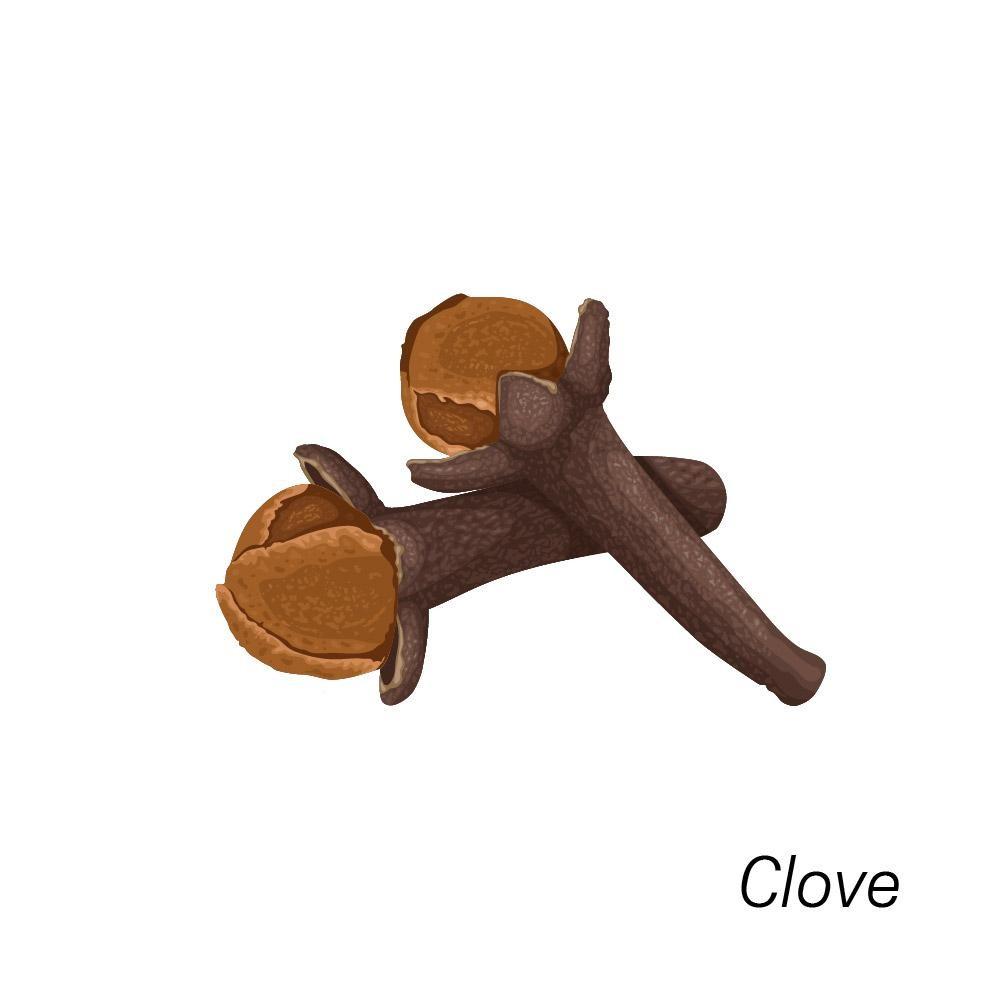
Caring for Dog Bites
In the event of a dog bite, immediate medical attention is essential. The wound should be thoroughly cleaned and disinfected, followed by a rabies vaccination.However, even after proper medical treatment, the wound may heal slowly. In such instances, TCM can offer additional support for recovery.
One commonly used remedy is the root of Sanguisorba officinalis—also called great burnet—a plant in the Rosaceae family traditionally valued for its blood-clotting, anti-inflammatory, detoxifying, and astringent properties.
According to classical Chinese medical texts, Sanguisorba officinalis can be used both internally and externally to aid wound healing. The dried root is ground into a fine powder and taken orally—about one small spoonful once or twice daily. At the same time, the powder—or freshly crushed root—can be applied directly to the wound. This dual approach can help stop bleeding, contract the tissue, and promote the growth of new tissue.
These simple and natural first-aid remedies can help you stay prepared when facing everyday minor injuries and promote faster recovery.
Some herbs mentioned in this article may be unfamiliar, but they are generally available in health food stores and Asian grocery stores. It is important to note that treatment methods may vary depending on the person. Please consult with a health care professional for a specific treatment plan.
What's Your Reaction?
 Like
0
Like
0
 Dislike
0
Dislike
0
 Love
0
Love
0
 Funny
0
Funny
0
 Wow
0
Wow
0
 Sad
0
Sad
0
 Angry
0
Angry
0


















Comments (0)