

Nature’s Cure: 4 Natural Treatments for Allergy Relief

.
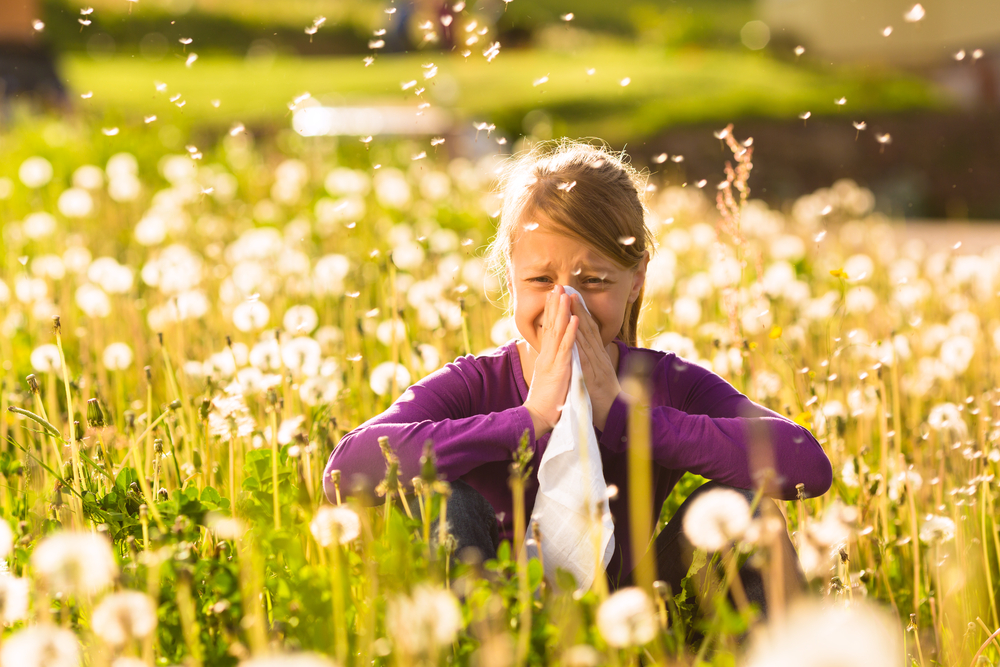
With one in three Americans suffering with allergies, natural treatments are an increasingly popular option for relief.
Allergies may seem synonymous with discomfort and medications, but they don’t have to be. Abundant natural remedies are as close as your backyard garden or local health food store. Here are four common, inexpensive ways to combat your allergy woes.
.
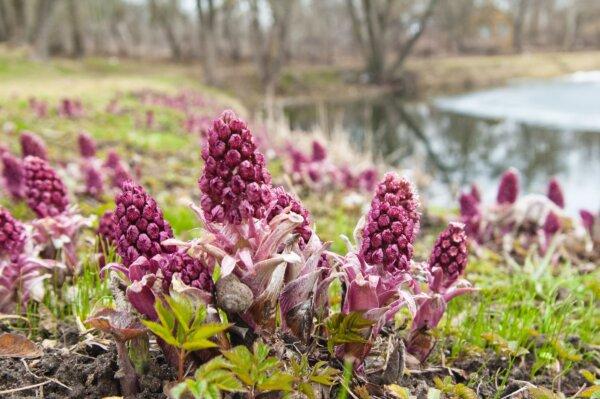
Butterbur
Butterbur is a shrub native to Europe, Asia, and North America. Its leaves were traditionally used to wrap butter to keep it from melting in warm weather—giving the plant its name. Butterbur has long been used in traditional medicines, most commonly to treat headaches and migraines, alleviate pain, heal wounds, and treat colds, asthma, and allergy symptoms.In Chinese medicine, butterbur is known as kuan dong and is used to strengthen the cardiovascular system, eliminate toxins, and remove worms.
Butterbur’s anti-inflammatory properties ease allergy symptoms, such as itchy eyes, cough, and congestion.
.
.
Both butterbur root and leaves are used medicinally, but for treating allergies, the leaves are preferred. Butterbur contains pyrrolizidine alkaloids (PAs) that can have a toxic effect on the liver, so the plant must be processed and not eaten raw. When buying butterbur supplements, ensure you find one with the PAs removed.
.
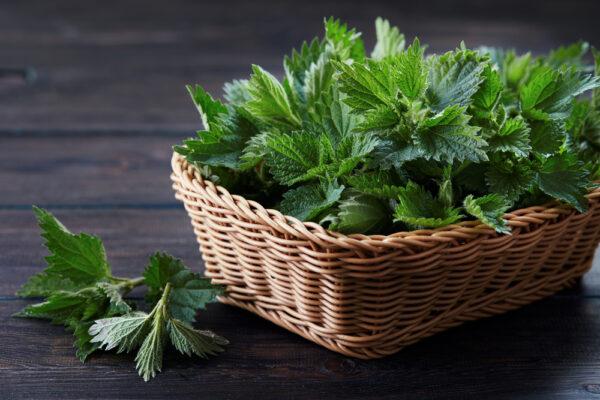
Stinging Nettle
Stinging nettle is a powerful herb with a long history of use in many traditional medicines. The plant is native to Europe, Africa, and Western Asia, but is now common worldwide. Stinging nettle has been traditionally used as a diuretic to treat urinary system disorders, to treat gout as it flushes uric acid from the system, to treat benign prostate hyperplasia (enlargement of the prostate), for inflammatory conditions like arthritis, and is well-known for the treatment of seasonal allergies and all of their accompanying symptoms. In Chinese medicine, stinging nettle is used to purify the blood of toxins, regulate metabolism, and support the lungs, kidneys, and liver.Stinging nettle is an antioxidant, anti-inflammatory, and a natural histamine controller. In recent years, it has become an increasingly popular natural remedy for treating seasonal allergies, and some doctors now recommend taking a freeze-dried preparation before allergy season begins.
.
.
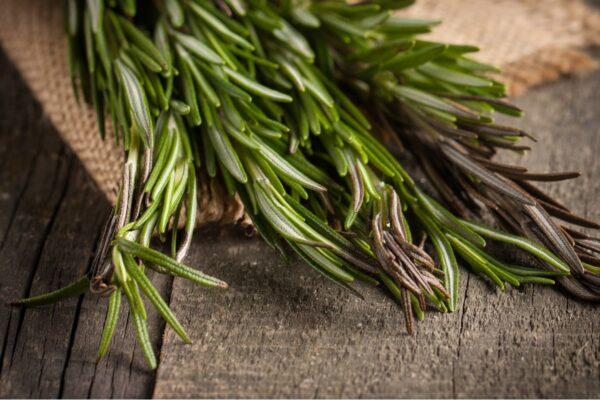
Rosemary
Rosemary is an ancient herb native to the Mediterranean that has a seemingly unlimited number of medicinal uses. It has antioxidant, anti-inflammatory, antimicrobial, antiseptic, antifungal, and diaphoretic properties, and it is used to stimulate the circulatory system, support healthy brain function, and boost the immune system. It is a common remedy for headaches, colds and flu, memory loss and lack of focus, anxiety, and depression. It also stimulates the hair follicles and can be used in premature baldness or other instances of hair loss.- Improving circulation.
- Supporting the immune system.
- Treating anxiety and depression.
- Benefiting the brain.
.
“There’s a big effect with the rosemary extract. We’ve been able to show in our study that rosemary extract not only alters activation of proteins within mast cells that lead to inflammation, but reduces chemicals that produce the typical inflammatory symptoms many people with allergies experience.”
Black Seed Oil
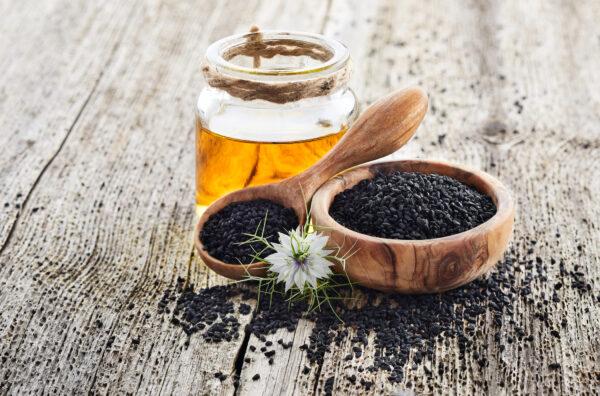
Black seed oil, also called black cumin, comes from the seeds of the nigella sativa plant and has been used for millennia in traditional medicines. It has an enormous list of benefits, including its powerful ability to kill microbes, anticancer properties, support for liver health, protection of skin, stimulation of hair growth, balance of cholesterol, and treatment of infections.- Thymoquinone (antioxidant, anti-inflammatory, antibacterial, analgesic, antipyretic, anticancer properties)
- Thymohydroquinone (antioxidant, anti-inflammatory, antihistamine, immunomodulatory and anticancer properties)
- Thymol (anti-inflammatory, antioxidant, anti-hyperlipidemic)
“The pleiotropic pharmacological effects of black cumin, and its main bioactive component thymoquinone (TQ), have been manifested by their ability to attenuate oxidative stress and inflammation, and to promote immunity, cell survival, and energy metabolism, which underlie diverse health benefits, including protection against metabolic, cardiovascular, digestive, hepatic, renal, respiratory, reproductive, and neurological disorders, cancer, and so on. Furthermore, black cumin acts as an antidote, mitigating various toxicities and drug-induced side effects.”
.
.
- In the severe symptoms group, 58.3 percent were symptom-free, and 25 percent had improved.
- In the moderate symptoms group, 68.7 percent were symptom-free, and 25 percent had improved.
- In the mild symptoms group, 100 percent were symptom-free.
In total, 92.1 percent of participants in the black seed oil group had improved symptoms or were symptom-free, while 30.1 percent had improved in the control group.
After topical treatment with black seed oil, the participants’ ability to tolerate allergen exposure improved by 55.2 percent, which the authors said is significant, compared to 20 percent in the control group.
.
Final Thoughts
Some additional things that can help minimize allergies and their symptoms are keeping indoor spaces clean, changing air and vacuum filters often, eliminating any mold in your home or workplace, limiting exposure to indoor plants and pets that may trigger your allergies, and consuming an anti-inflammatory diet.Allergies come with a long list of symptoms that can affect the entire body and make life uncomfortable—to say the least. However, they can be alleviated with many natural medicines, such as the ones above. If you take medications, talk to your health care provider before taking herbs or supplements to ensure there are no interactions.
.
What's Your Reaction?
 Like
0
Like
0
 Dislike
0
Dislike
0
 Love
0
Love
0
 Funny
0
Funny
0
 Wow
0
Wow
0
 Sad
0
Sad
0
 Angry
0
Angry
0
















Comments (0)