

Nature’s Alternatives to Finasteride: 3 Plant Extracts for Hair Loss

.
A common, inherited form of pattern hair loss called androgenetic alopecia is often treated with prescription medications such as finasteride. However, there are natural ways to treat the condition that come with fewer or no side effects.
Saw Palmetto
“Saw palmetto, in essence, works in a similar way to what finasteride does,” Manish Mittal, a hair transplant surgeon in London and founder of Mittal Hair Clinic, told The Epoch Times.Saw palmetto extract is derived from the berries of the saw palmetto tree, native to Florida. It inhibits 5-alpha reductase, the same enzyme targeted by finasteride, thereby lowering DHT concentrations.
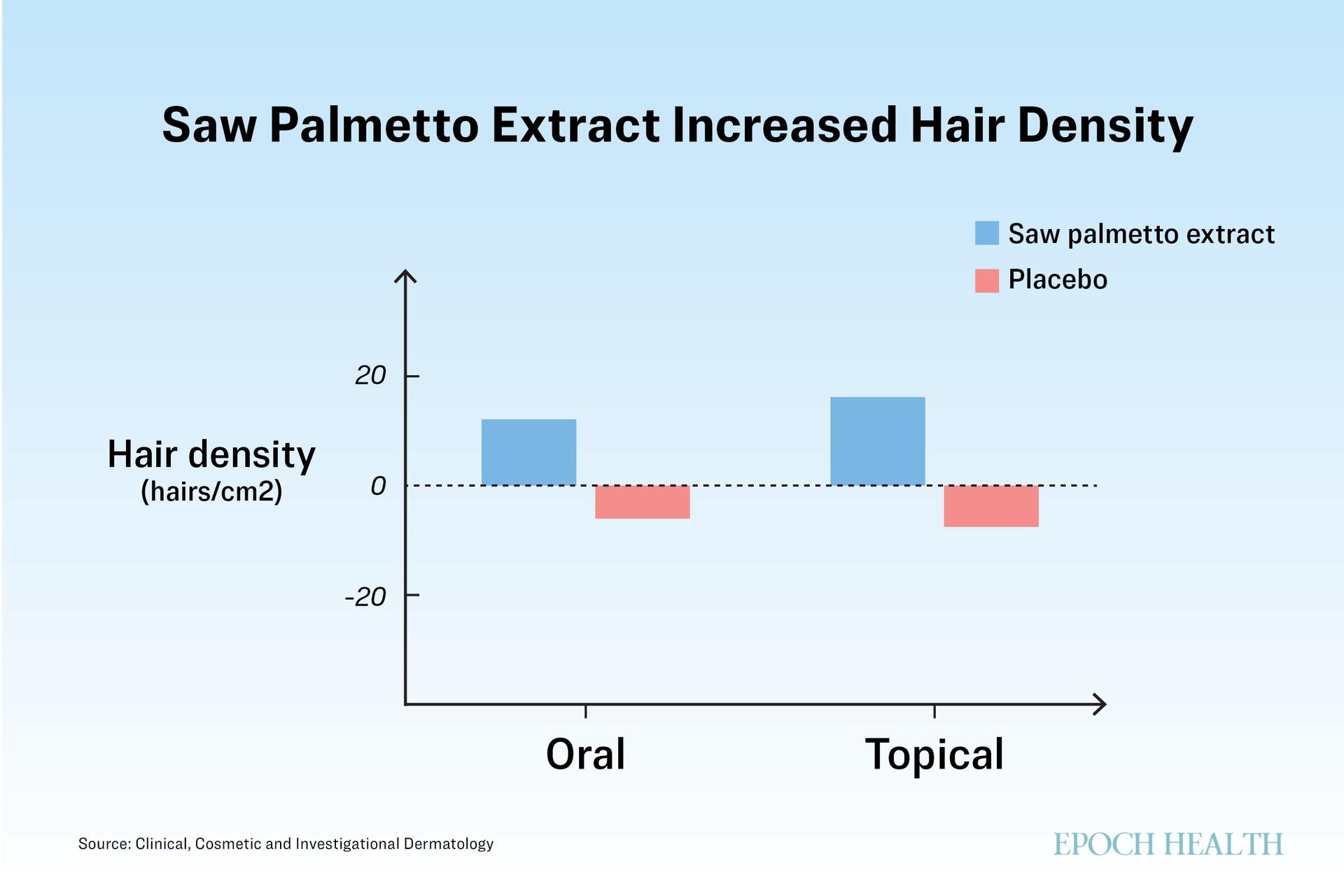
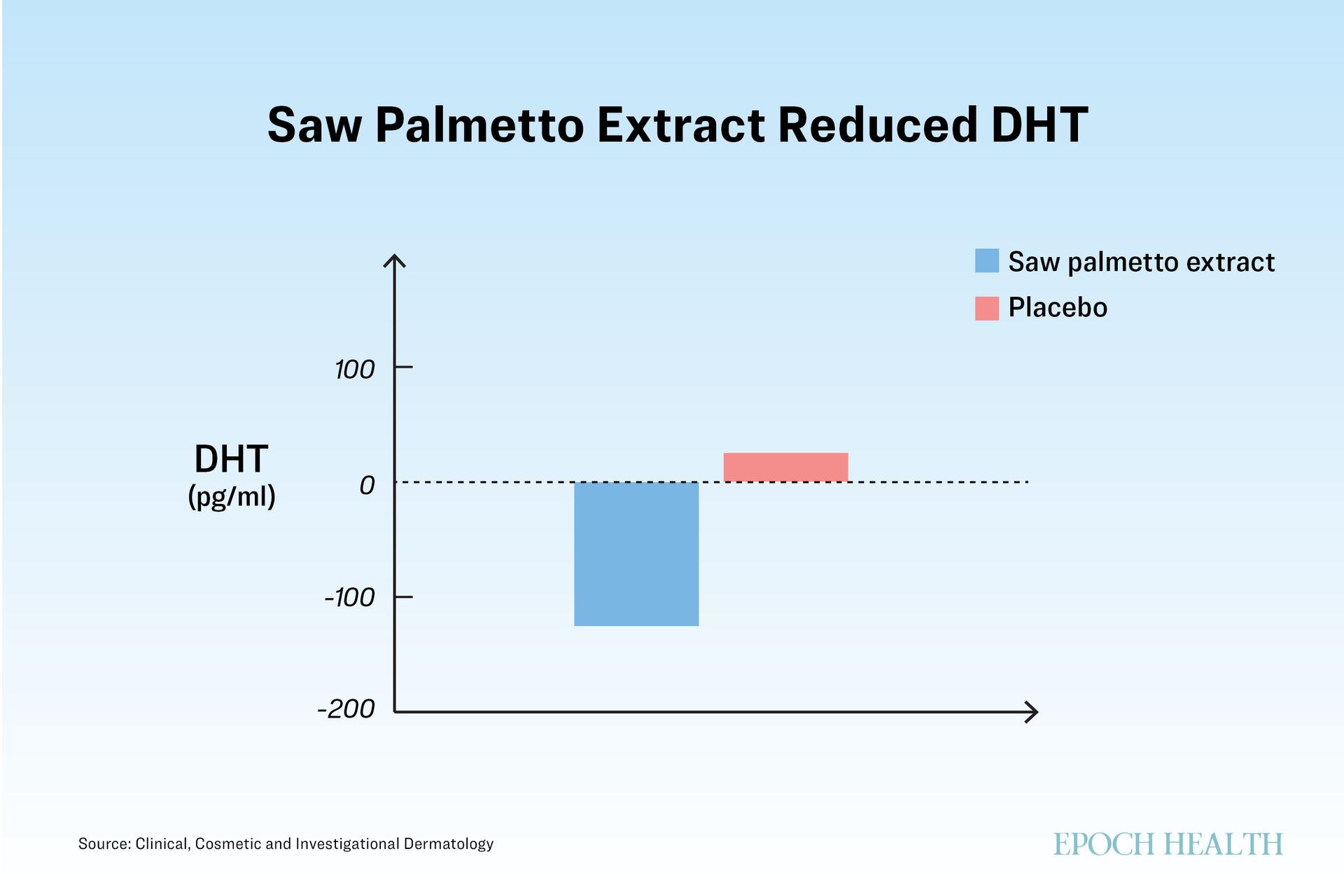
The analysis reported a 60 percent improvement in hair quality, a 27 percent increase in total hair count, and increased hair density in more than 80 percent of participants. Saw palmetto was also well tolerated and not associated with serious side effects.
Because saw palmetto is an herbal compound, large pharmaceutical companies are unlikely to fund studies directly comparing its efficacy to that of finasteride, Mittal said.
Dr. Jeremy Wetzel, a hair transplant surgeon at the Anderson Center for Hair, told The Epoch Times that he often recommends saw palmetto supplements to patients with male pattern hair loss who prefer not to take or apply pharmaceutical treatments.
“It is not as effective or as strong as finasteride, but it can help,” he said.
In addition to blocking DHT from binding to its receptors and promoting its breakdown, saw palmetto is also considered an adaptogenic herb—one that helps the body adapt to stress and enhances overall resilience. Being an adaptogen makes it particularly valuable for managing stress-related hair loss, according to Alexandra Roach, a board-certified holistic health practitioner, herbalist, and health writer for The Epoch Times.
Saw palmetto extract is typically obtained through hot water or CO₂ extraction, though the raw berries can also be ground into powder for use.
People can use saw palmetto tincture (an alcohol-based extract), preferably diluted in a small glass of water and taken after meals or before bedtime, Roach said.
Pumpkin Seed Oil
Pumpkin seed oil is rich in free fatty acids, antioxidants, essential minerals such as zinc and selenium, along with vitamins and phytosterols. These compounds help inhibit 5-alpha reductase, thereby reducing DHT levels in the body. As a result, pumpkin seed oil—similar to saw palmetto—is widely used as a natural approach to managing BPH.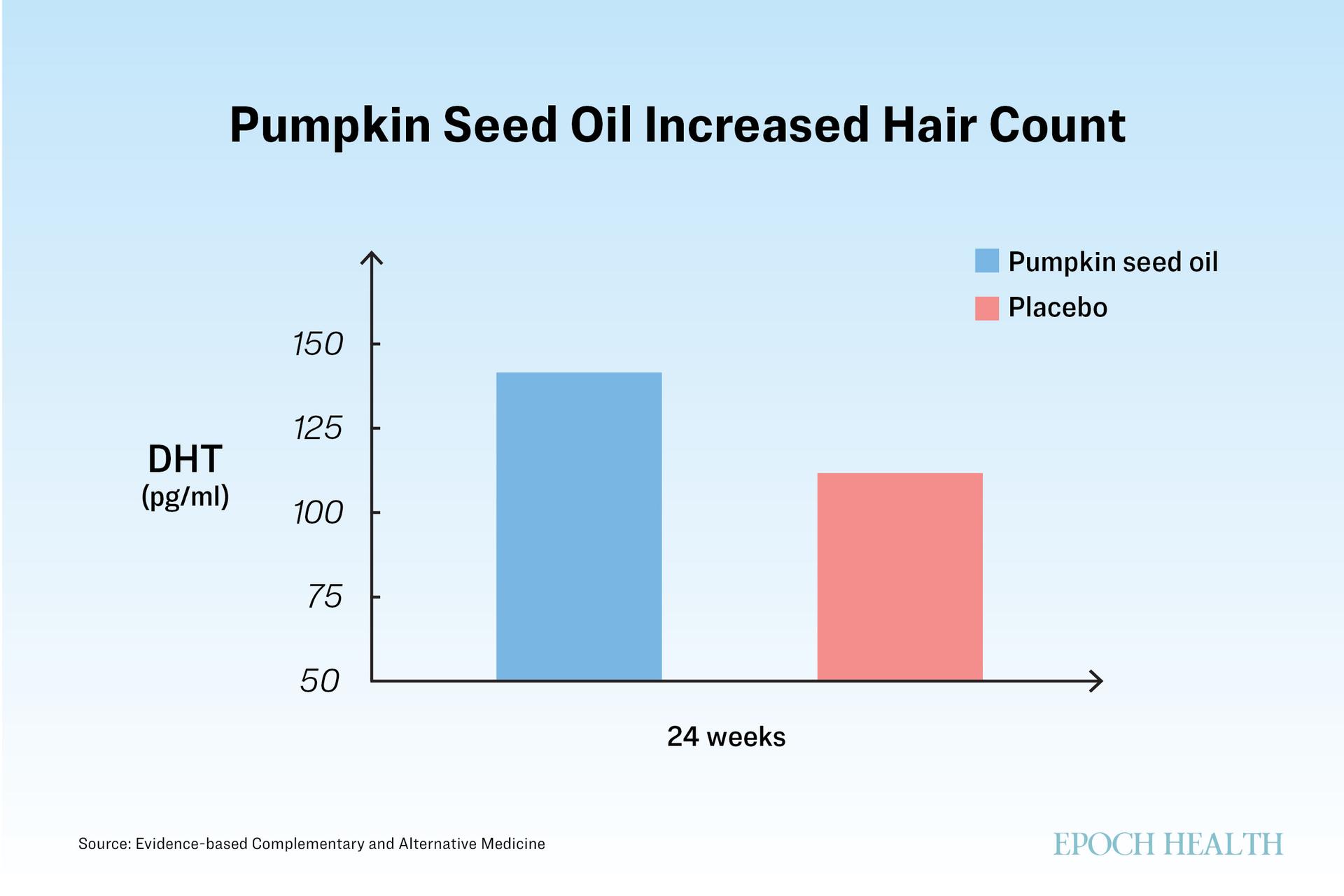
Green Tea
Green tea leaf extract contains polyphenols, especially epigallocatechin gallate (EGCG). EGCG inhibits 5-alpha reductase and promotes hair growth by stimulating the proliferation of dermal papilla cells—located at the base of the hair follicle—and protecting them from death.In contrast, the placebo group experienced a decrease of about 1.5 hairs per square centimeter and a reduction in hair thickness of approximately one micrometer.
“Green tea extract may represent a promising natural approach for supporting hair growth due to its potent antioxidant properties, which help reduce free radicals.” Linda Sparks, a naturopathic physician, told The Epoch Times. Excess free radicals, also known as reactive oxygen species, can impair hair follicle development in the growth phase of the hair cycle.
While many studies utilized a combination of plant extracts and could not isolate the effects of green tea extract alone, the findings are noteworthy, she noted.
.
What's Your Reaction?
 Like
0
Like
0
 Dislike
0
Dislike
0
 Love
0
Love
0
 Funny
0
Funny
0
 Wow
0
Wow
0
 Sad
0
Sad
0
 Angry
0
Angry
0
















Comments (0)