.
Mouth ulcers, also known as canker sores, are one of the most common problems affecting the soft lining inside the mouth. More prevalent in women than in men, they can be painful and make eating or talking difficult. While they usually heal on their own within a few days, many people turn to home remedies for relief.
“While home remedies can’t cure the root cause, they may help ease discomfort by reducing inflammation and creating a better environment for healing,” Dr. Sandip Sachar, who has been practicing general and cosmetic dentistry in New York City for more than 20 years, told The Epoch Times.
What Causes Mouth Ulcers?
Medically known as “oral aphthosis,” mouth ulcers can have several causes. Their occurrence often runs in families, suggesting a possible genetic link.
“Recurrent or severe cases that don’t heal within two weeks may point to a nutritional deficiency, systemic condition, or immune dysfunction,” Sachar said.
Other causes of mouth ulcers may include:
Stress: “The most common cause of mouth ulcers I see in my practice is stress,” said Sachar, adding that most patients who come in for help are struggling with recurrent, painful ulcers tied to stress.
Sleep Problems: Poor sleep quality could be another reason for painful recurrent mouth ulcers. A study involving more than 460,000 people found that those who slept longer had a 33 percent lower risk of developing mouth ulcers, while people with insomnia faced about a 40 percent higher risk.
Minor Injury: Minor injuries, such as accidentally biting the inside of your cheek or irritation from dental appliances such as braces or dentures, can trigger mouth ulcers.
“This is fairly common during the first week of getting braces, and sometimes with Invisalign,” Dr. Thomas Dobie, a board-certified orthodontist, told The Epoch Times. “These small injuries break the lining of the mouth, making it easier for ulcers to form.”
Nutritional Deficiencies: B12, iron, and folate deficiencies can weaken the immune system and slow tissue repair in the mouth, Kristin Draayer, a registered dietitian-nutritionist, told The Epoch Times. Low vitamin D levels have also been
linked to a higher risk of recurrent mouth ulcers.
“If blood tests show deficiencies, short-term targeted supplementation may help alongside dietary changes, but long-term prevention should focus on a nutrient-dense diet,” Draayer said.
Medical Conditions: Frequent mouth ulcers can often be a sign of underlying health issues, including autoimmune disease, such as lupus or Behçet’s disease, inflammatory bowel disease, such as Crohn’s or ulcerative colitis, or celiac disease. These medical conditions can cause inflammation in the body, including the mouth.
“People with diabetes may be more susceptible due to slower healing or changes in saliva, while conditions like sleep apnea, which cause dryness at the mouth’s corners, have also been linked to certain ulcers,” Dr. Brynna Connor, a board-certified family medicine physician and health care ambassador for Northwest Pharmacy, told The Epoch Times in an email.
Additional Triggers: Mouth ulcers can be triggered by a mix of everyday and biological factors. Hormonal changes, such as those during menstruation, pregnancy, or menopause, can affect the immune system and saliva, making ulcers more likely. Certain medications, including chemotherapy, radiotherapy, thyroid drugs, and heart medications, have also been linked to mouth ulcers.
Home Remedies That May Help
Research suggests that both natural approaches and medical treatments can help relieve mouth ulcers. A 2024
review examined 53 clinical trials conducted between 2013 and 2023, involving more than 3,000 participants. Natural remedies were tested in 35 studies and medical treatments in 16. Both approaches were found to ease pain, reduce the size and number of ulcers, and support faster healing.
Based on available evidence, the following are some home remedies that may help ease mouth ulcers:
Salt Water Rinse: Warm salt water rinses may support healing, though they can be uncomfortable. Sachar recommends mixing half a teaspoon of salt into a cup of warm water and rinsing several times a day.
Honey: Honey has wound-healing and antimicrobial properties that can help soothe mouth ulcers. In an animal study in which researchers created oral ulcers in mice, honey was found to speed up healing and reduce inflammation.
Aloe Vera Gel: A meta-analysis involving 847 people showed that while aloe vera did not significantly reduce pain or ulcer size compared with other treatments, it was linked to faster healing and better overall effectiveness, with very few side effects.
Chamomile Tea Compress or Rinse: Chamomile is a flowering plant that has long been used as tea and is known for its medicinal properties. A clinical
trial published in 2014 involved 36 patients with recurrent mouth ulcers—one group rinsed with chamomile, while the other used a placebo. Those who used chamomile reported less pain and burning and developed fewer ulcers within just a few days. No side effects were noted, suggesting it may be a safe option for easing discomfort.
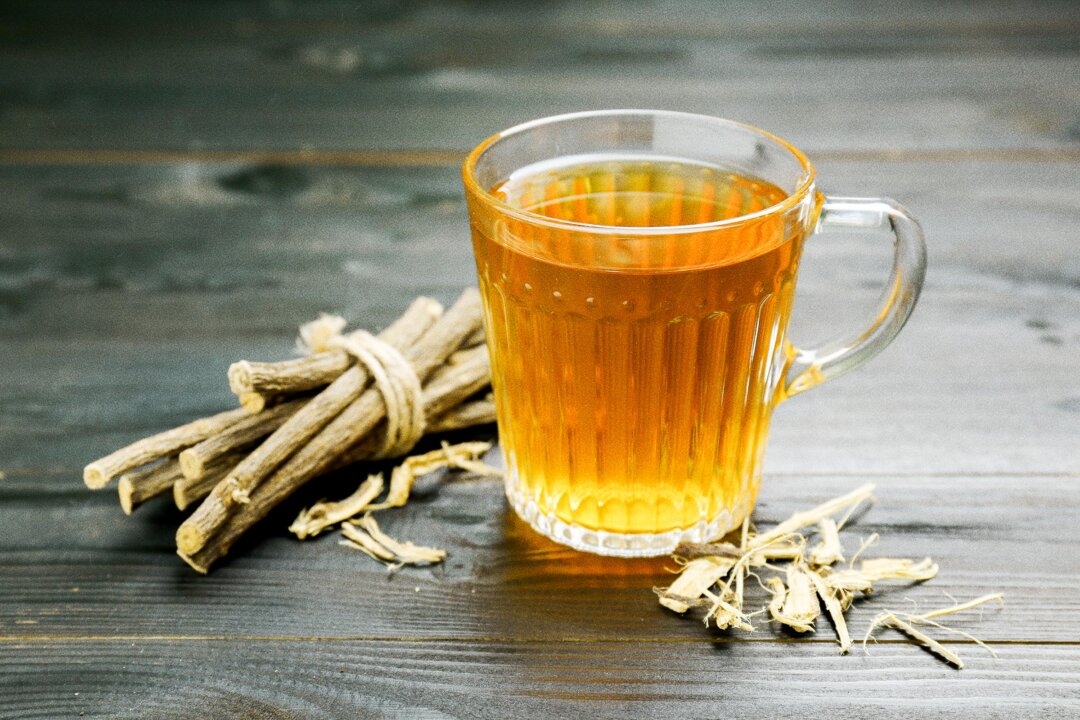
Licorice Root: Licorice is commonly used in herbal medicine for its anti-inflammatory and antibacterial properties. A
systematic review of six clinical studies involving 314 people found that licorice helped treat common mouth ulcers by reducing pain, shrinking ulcers, and speeding up healing, usually within four to eight days. The licorice was tested as a paste, patch, or mouthwash, at 1 or 5 percent concentrations, with no side effects, making it both safe and effective.
Ice Chips or Cold Water: A 2021
review of eight studies found that cooling the mouth with ice chips or cold water, known as oral cryotherapy, can help prevent painful mouth sores caused by chemotherapy. Patients who tried this method experienced fewer and less severe ulcers, used less pain medication, and reported lower pain levels.
When to See a Dentist
If a mouth ulcer hasn’t healed within two weeks, causes severe pain, recurs frequently, or appears with symptoms such as fever or swollen lymph nodes, it’s important to see a dentist. Any unusual changes in size, color, or texture should also be evaluated, as they may signal more serious conditions, including precancerous lesions or autoimmune disorders.
Some home remedies can worsen or delay healing, said Sachar. She advises patients to avoid treatments that may seem popular on social media but can cause more harm than good.
Examples include acidic or abrasive substances, such as lemon juice, undiluted hydrogen peroxide, or baking soda paste applied directly to the ulcer, which can irritate the tissue and slow healing. Overusing alcohol-based mouthwashes can also dry out the mouth and make ulcers worse.
The best approach for managing ulcers often comes down to simple daily habits. Sachar recommends:
- Sticking to a soft foods diet, such as yogurt or smoothies, and avoiding spicy or crunchy foods
- Staying well hydrated
- Brushing twice a day with a soft-bristle toothbrush
- Flossing once daily
- Eating a balanced diet
“Since stress is one of the most common triggers for ulcers, managing it through practices like meditation or breathwork, along with getting enough sleep, is just as important.”
.



 Like
0
Like
0
 Dislike
0
Dislike
0
 Love
0
Love
0
 Funny
0
Funny
0
 Wow
0
Wow
0
 Sad
0
Sad
0
 Angry
0
Angry
0

















Comments (0)